
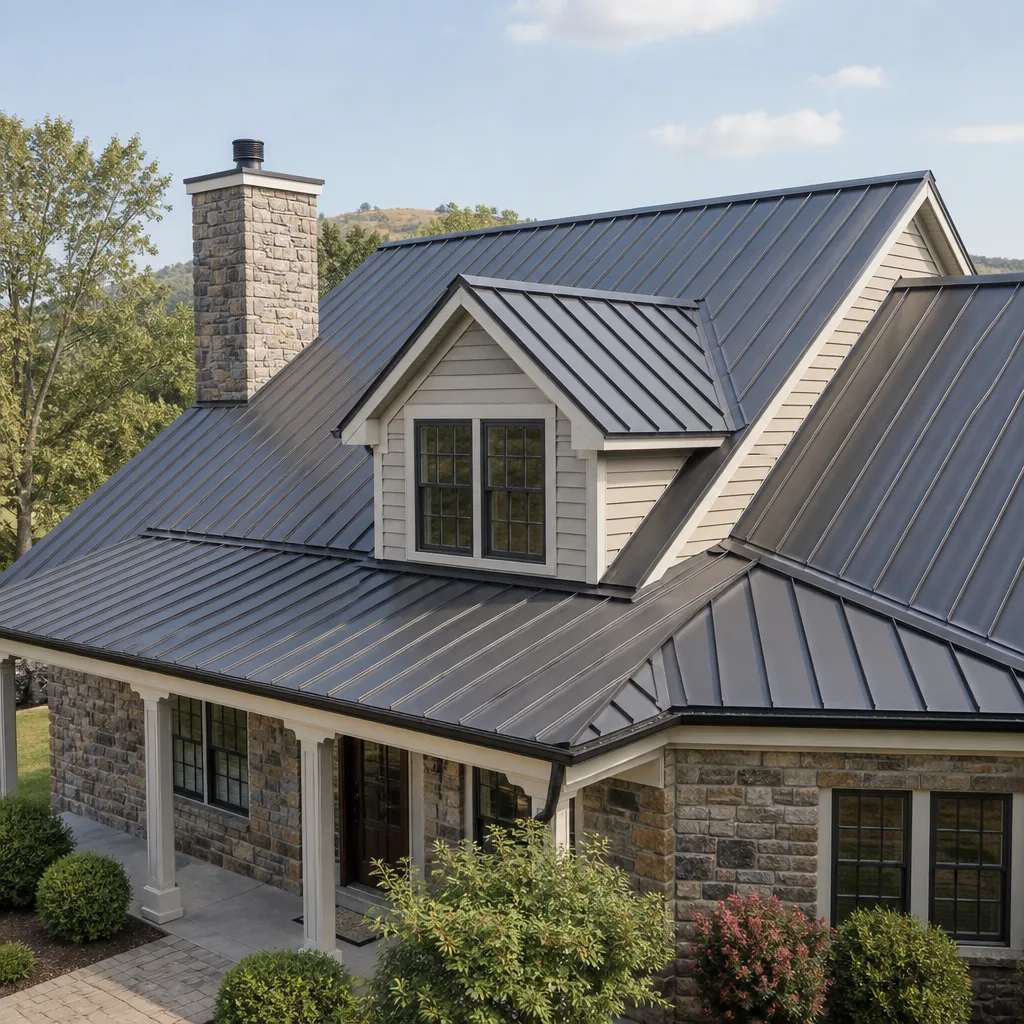
 Metal roofing
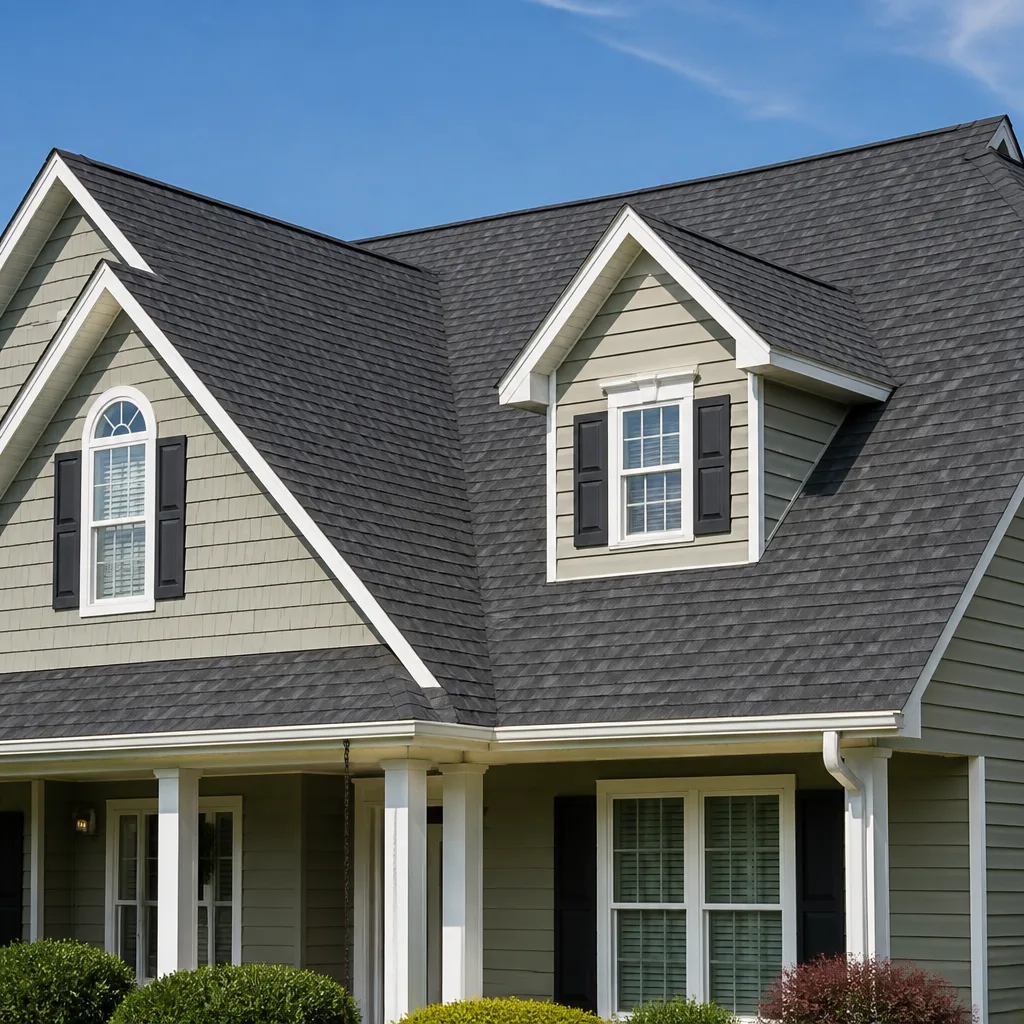 Architectural shingles
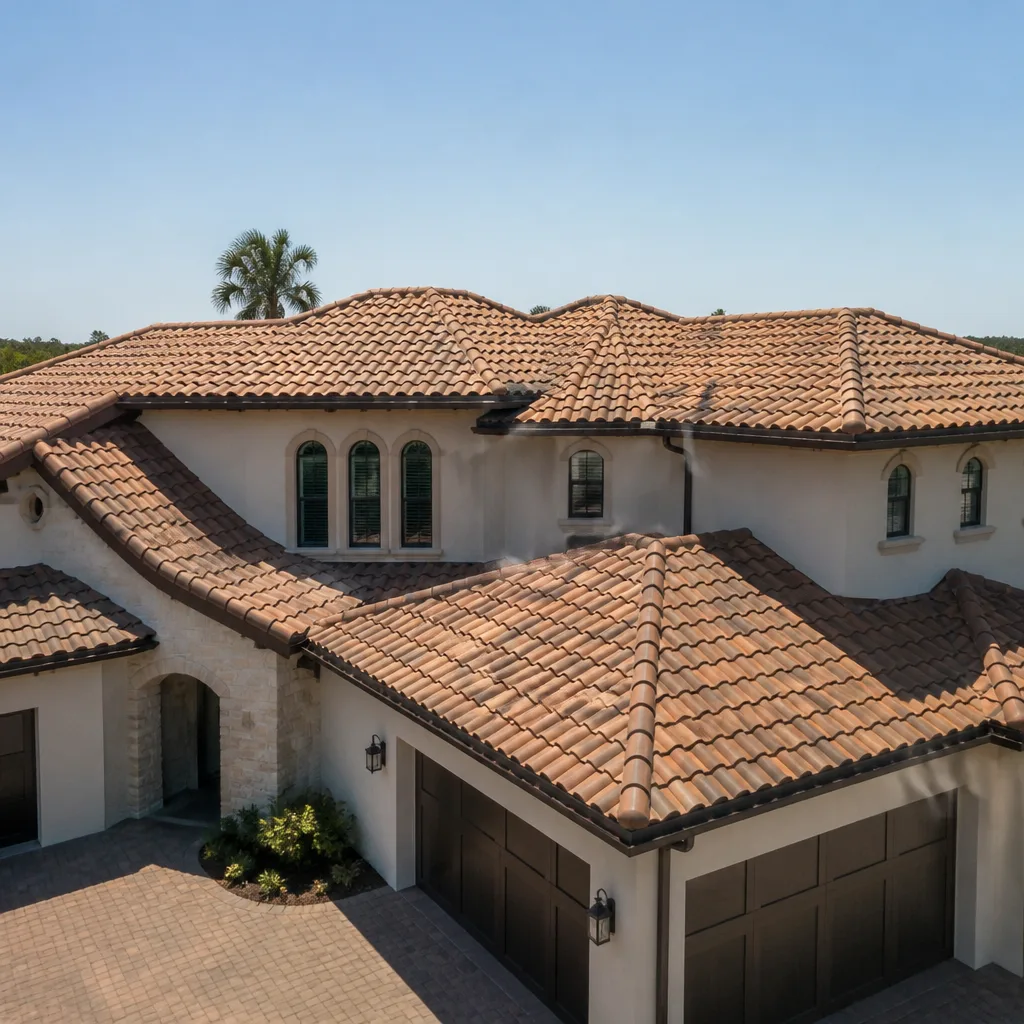 Tile roofing
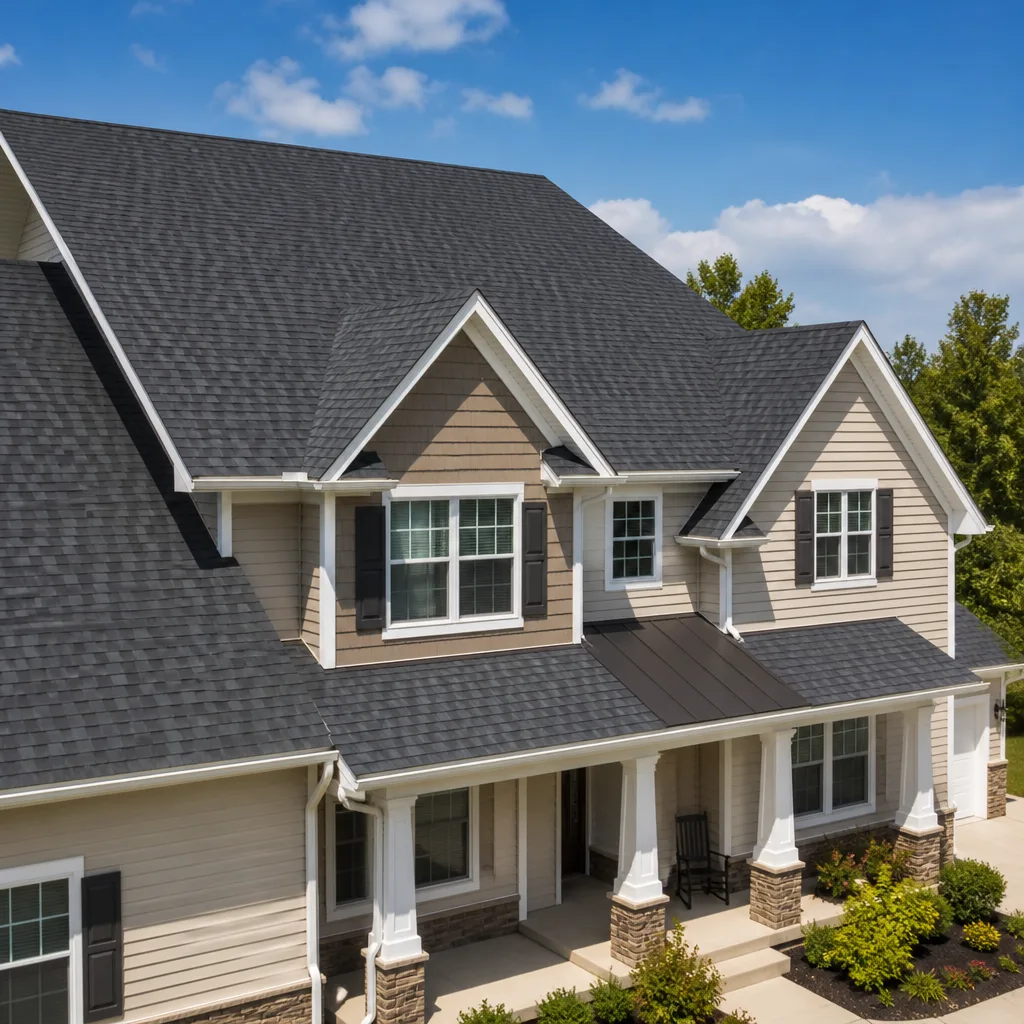 GAF
GAF Owens Corning
 Flat & low-slope
Free roof inspection with deck photos before we talk money - GAF and Owens Corning certified installation
Boral Underlayment & Deck Repair: The Orlando Owner’s Guide
Boral underlayment and deck repair in Orlando typically runs $1,850 to $4,200 installed, depending on how much of the roof deck has degraded and whether we’re replacing the underlayment in sections or across the whole roof. We stock Boral-compatible underlayment on our trucks, and most deck repairs are completed in one day once we have the roof opened up. Most Orlando homeowners discover the problem the hard way: a water stain on the ceiling after one of our classic 4 p.m. thunderstorms, and then the roofer who comes out tells them the decking underneath has rotted because the old underlayment finally gave out.
At Crestview Roofing Co Orlando, we work on Boral underlayment and deck issues all year. The heat and humidity here don’t just age shingles. They cook the underlayment from above while attic moisture pushes up from below, and once the deck sheathing starts to soften, you’re past the point of a quick patch. Dylan Pace and our crew have pulled back enough failed Boral underlayment in neighborhoods like College Park and Audubon Park to know exactly what holds up and what doesn’t in Central Florida.
Which Boral Models This Applies To
Boral roof systems in Florida are most commonly installed as a complete assembly: concrete or clay tile over a high-grade underlayment, fastened to a plywood or OSB deck. The underlayment isn’t a single product. Depending on the age of your roof, it could be Boral’s peel-and-stick modified bitumen, a synthetic underlayment rated for high-heat tile applications, or an older felt-based product that Boral spec’d before synthetics became standard. Each has different failure points and different installation requirements.
The compatibility gotcha most owners hit: Boral tile systems require an underlayment rated for the weight and heat transfer of tile, not a standard shingle underlayment. A typical 30-pound felt or a basic synthetic will break down faster under Boral tile because tile holds and radiates heat differently than asphalt shingles. We match the replacement to your specific Boral assembly, and if the original underlayment was a Boral-branded product, we can usually source the direct OEM equivalent. In many cases a high-heat synthetic from GAF, Owens Corning, or CertainTeed performs as well or better, and we’ll tell you the price difference before you choose.
Identifying your exact system is straightforward: check the tile profile stamped on the underside of a loose tile, and note whether you have a batten system (tiles on horizontal strips) or a direct-to-deck install. That determines how much underlayment we have to expose and whether the deck repair is isolated or spans multiple sheets. We’re an independent service provider, not a Boral dealer, which means we stock the compatible materials without being locked into one brand’s price book.
Styles & brands we work with
Signs Your Boral Underlayment & Deck Repair Is Failing
- Ceiling stains that appear after rain, then dry. This is the classic Orlando underlayment failure signature. Water gets past the tile, finds a seam or tear in the underlayment, and works its way to the interior. By the time the stain shows, the deck underneath is already wet, and in Florida’s humidity, wet OSB starts delaminating within weeks.
- Spongy spots on the deck when viewed from the attic. If you can see the underside of your roof deck from the attic and any area looks darker, swollen, or feels soft to finger pressure, the deck sheathing is losing structural integrity. Plywood delaminates in layers; OSB swells and crumbles at the edges.
- Loose or sliding tiles after a storm. Boral tiles are heavy and usually stay put. When tiles start shifting, the fasteners are pulling through a weakened deck, which means the sheathing beneath is no longer holding. The underlayment failure is the root cause, and a new tile won’t fix it.
- A musty attic smell, especially after rain. Moisture trapped against the deck feeds mold, and that smell is the first thing owners notice before they ever see a water stain. Orlando’s wet season makes this worse: once mold starts in a warm, humid attic, it doesn’t stop on its own.
- Visible underlayment tears or wrinkles at roof edges. At eaves and rakes, the underlayment is exposed to UV and wind-driven rain. If you can see cracked, wrinkled, or peeling underlayment at the edges from a ladder, the middle of your roof is usually in worse shape. We see this constantly on Boral roofs where the edge detail wasn’t flashed properly.
Replacement Cost & What’s Included
For a partial underlayment replacement tied to a specific leak, Orlando pricing lands between $1,850 and $2,600, including the deck repair on one or two sheets of sheathing. Full underlayment replacement on an average Orlando tile roof runs $3,200 to $4,200, and the price climbs if the deck has widespread rot requiring multiple sheets of new plywood or OSB. Every quote includes tear-off of the old underlayment, deck inspection and replacement as needed, new underlayment, reinstall of the existing tile, and disposal of all old material.
The variables that move your number: roof pitch and height, how many tiles have to come off to reach the bad section, whether we’re doing isolated or full replacement, and the condition of the deck underneath. We give you a written line-item price before any work starts. The number on the page is the number on the invoice. No change orders written up at the truck door. Every Boral underlayment and deck repair we do is covered by our 365-Day Done Right Promise: if it fails within a year, we come back and fix it at no charge. That’s in writing, included with every job.
DIY or Call Us?
You can safely check a few things yourself: look for water stains on ceilings, shine a flashlight into the attic after a rain, and note any shifted tiles from ground level with binoculars. That’s it. Do not walk a Boral tile roof in Orlando. The tiles are brittle, the deck underneath may already be soft, and a slip on a wet tile roof is a quick way to visit Orlando Health. We’ve seen homeowners turn a $2,000 underlayment job into a $9,000 deck rebuild plus a hospital bill because they wanted to save the service call.
Where DIY really goes wrong: pulling up tiles without knowing how Boral fasteners seat, cutting out old underlayment and exposing more deck than planned, and re-setting tiles with the wrong mortar or clips. Boral systems have specific fastener patterns, and a tile that looks seated but isn’t becomes a projectile in the next afternoon storm. For anything beyond a visual check, call us at (448) 218-0800. We’ll inspect the area, tell you exactly what’s wrong, and give you a written price before anything gets touched.
How Long Does Boral Underlayment Last in Orlando?
In Orlando’s heat and humidity, Boral underlayment realistically lasts 15 to 20 years on a well-ventilated roof, which is shorter than the 25 to 30 years you might see quoted for cooler, drier climates. The constant thermal cycling, UV exposure at edges, and high attic moisture load in Central Florida age underlayment faster than almost any other market. Most Boral deck failures we see in Orlando are on roofs 18 to 22 years old where the underlayment was the original install and the attic ventilation was marginal from day one. If your Boral roof is past year 15 and you haven’t had the underlayment inspected, the odds of a hidden problem go up every summer.
See the difference
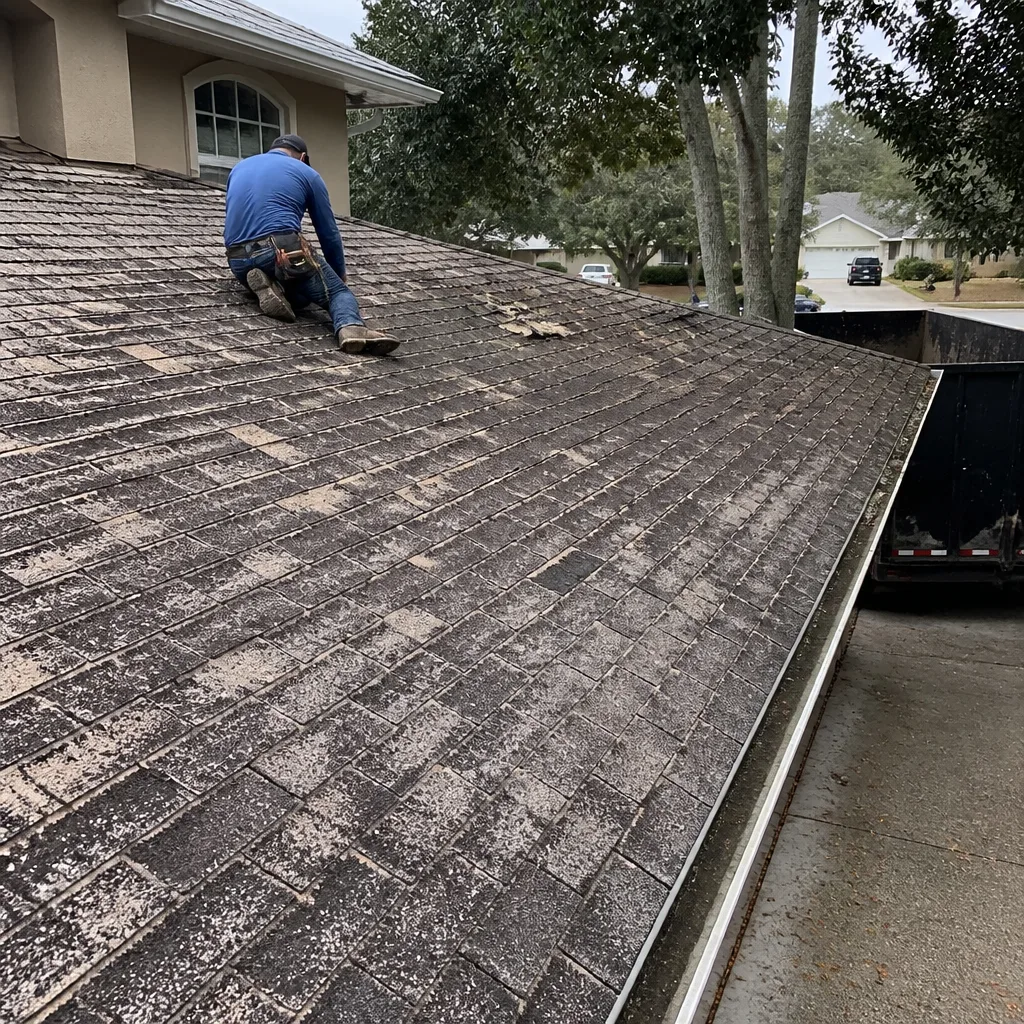 Before
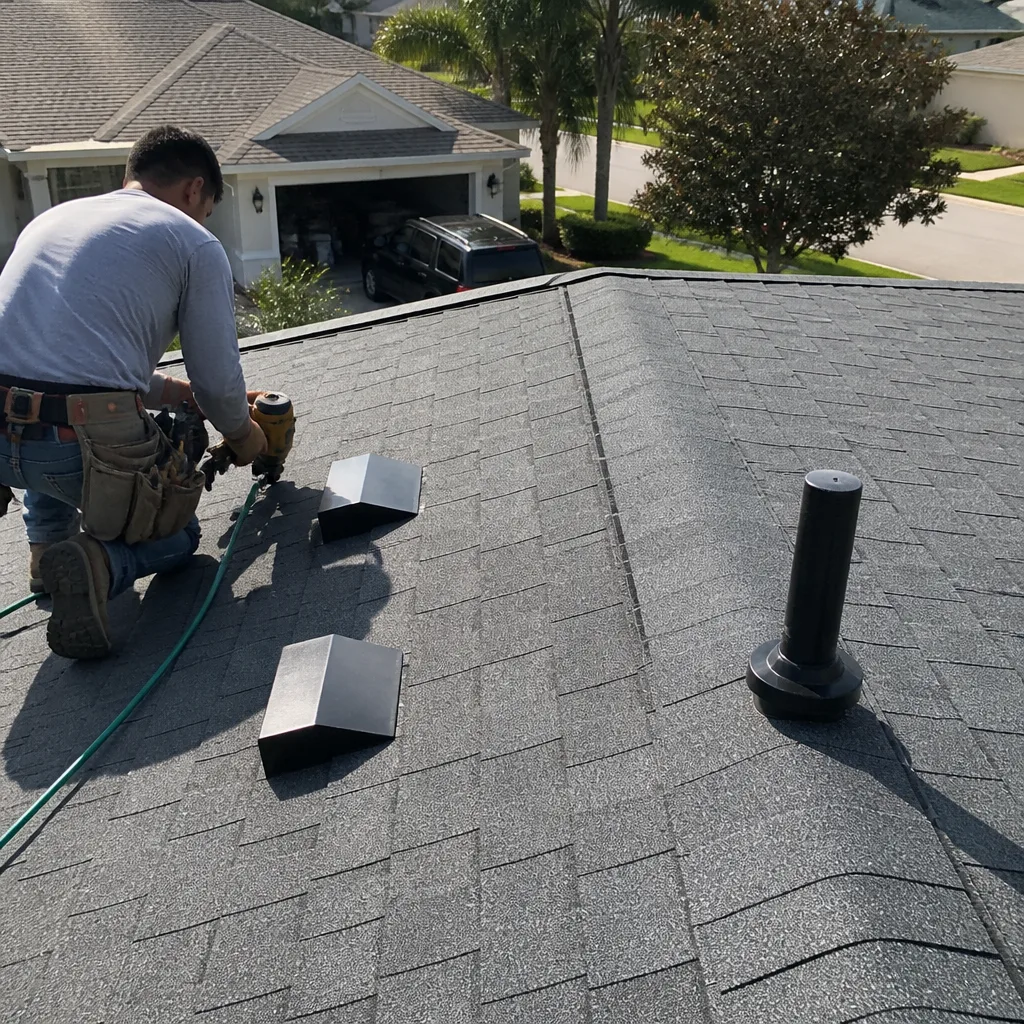 After
After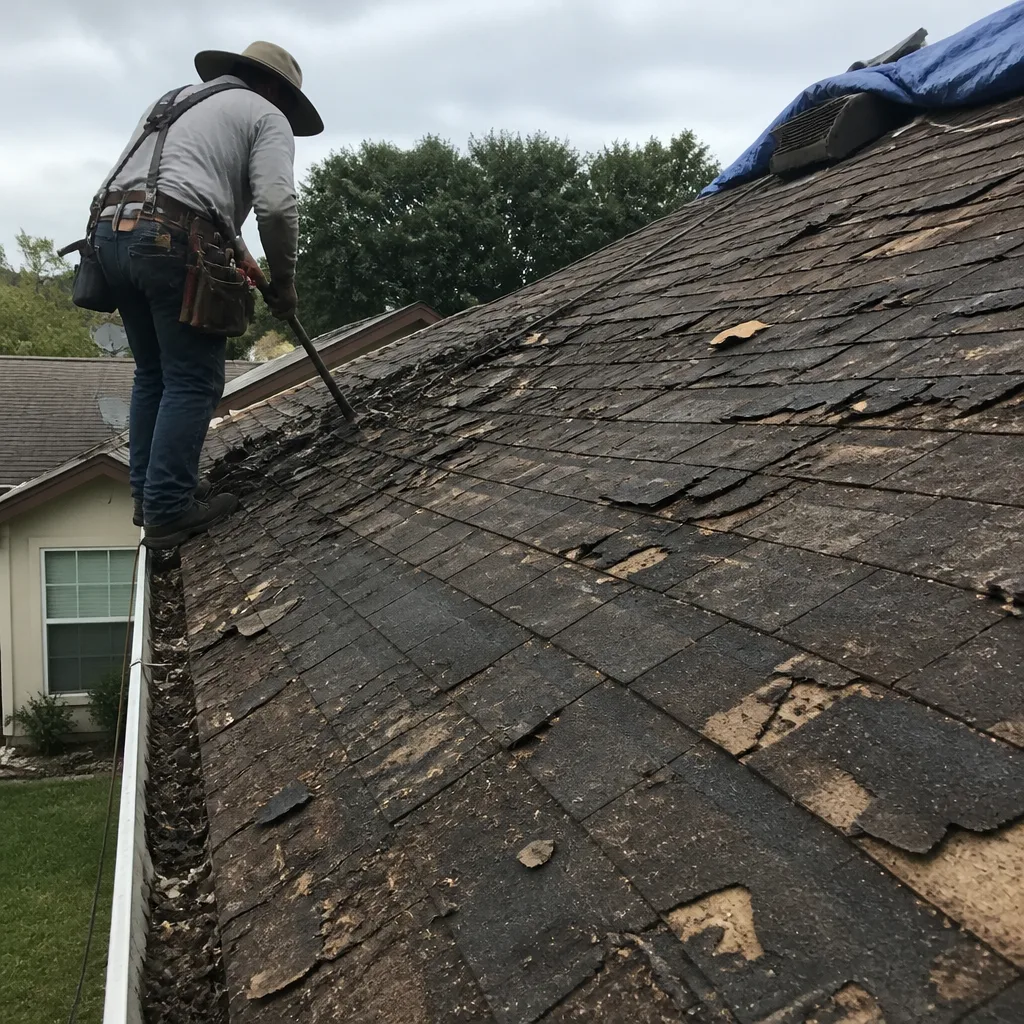 Before
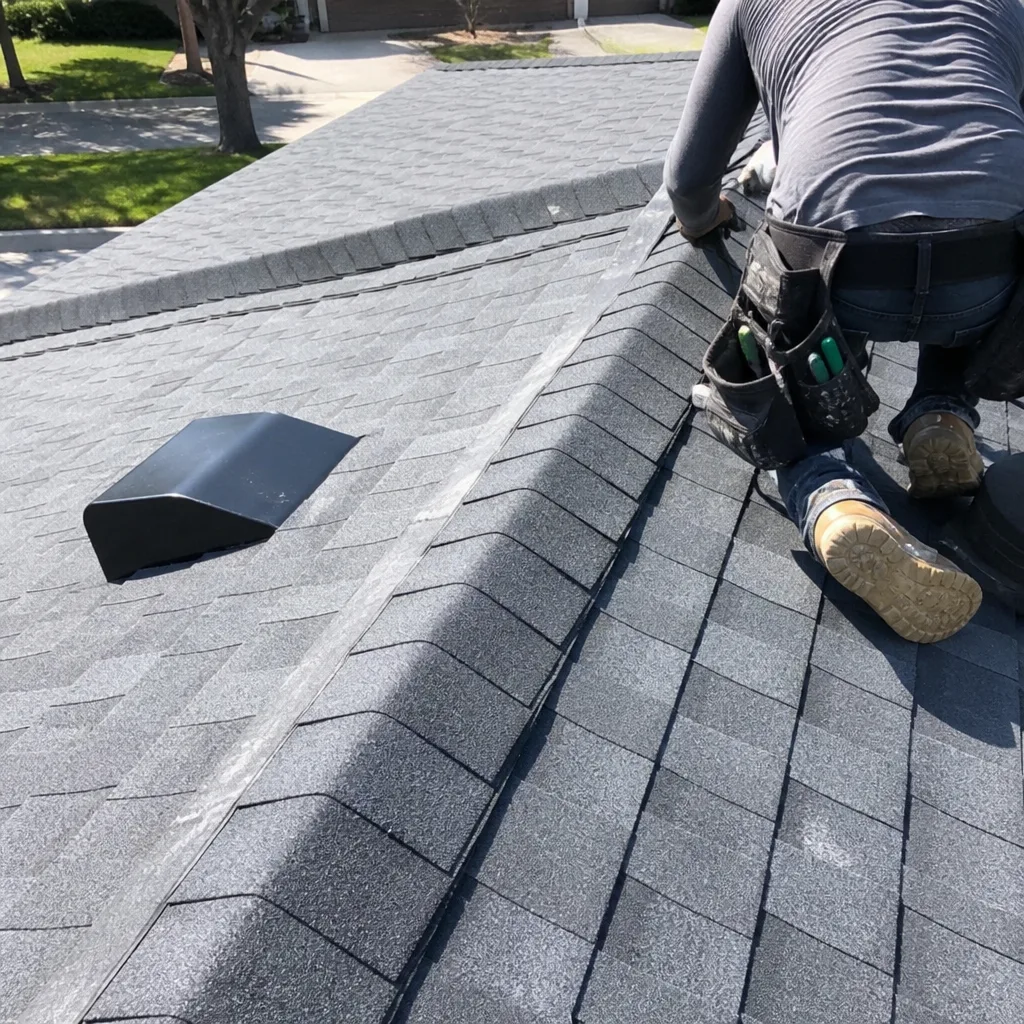 After
After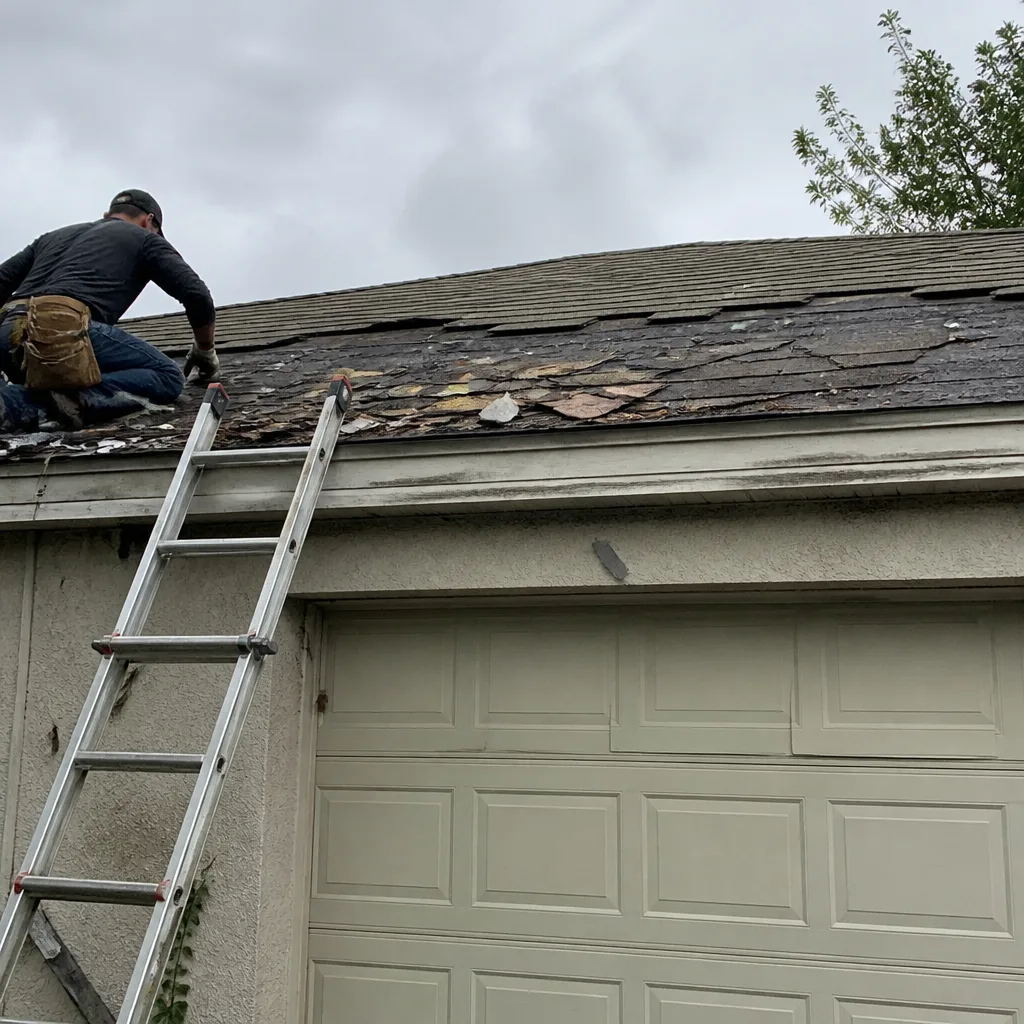 Before
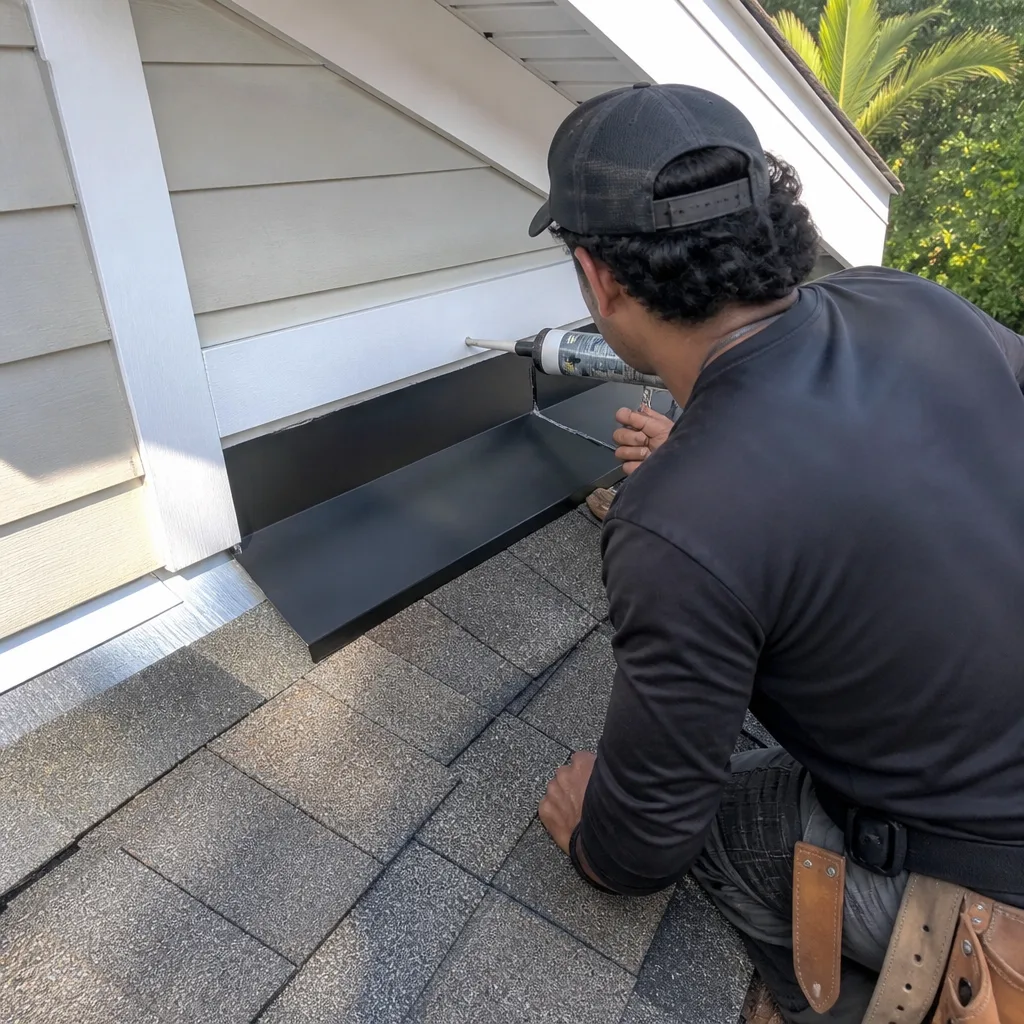 After
AfterCan the Underlayment Be Repaired Instead of Replaced?
For a localized tear or a single seam that failed, yes, we can section in new underlayment and waterproof the transition. That’s a mid-range repair in the $1,000 to $1,600 range depending on size. But here’s the honest Orlando truth: if the underlayment failed in one spot because of age, the rest of the roof is on the same clock. Patching buys you a year or two. Full replacement buys you 15 to 20 more. We’ll tell you which makes sense for your roof and give you both prices in writing so the decision is yours.
How Long Does a Deck Repair Take?
Most Boral underlayment and deck repairs on a single section are done in one day, start to finish. We open the roof in the morning, cut out and replace the bad decking, install the new underlayment, reset the tile, and have the area watertight before afternoon storms move in. Full-roof underlayment replacement takes two to three working days on a typical Orlando home, and we schedule it for a dry stretch using the forecast. You’ll get a live trackable arrival time, before-and-after photos of the work, and a digital invoice sent by text when we’re done. That’s The Relay Standard on every Crestview job.
Do You Stock Boral-Compatible Underlayment on the Truck?
Yes. Our trucks carry high-heat synthetic underlayment rated for Boral tile systems, along with the fasteners, sealants, and deck materials needed for a same-visit repair on most Orlando homes. For a direct Boral OEM underlayment match, we’ll source it from our local supplier, which adds a day or two to the timeline. We’ll tell you the availability and price difference up front so you’re never waiting on a surprise. Call (448) 218-0800 and we’ll walk you through what’s on the truck and what we’d need to order for your specific Boral system.
Contact Crestview Roofing Co Orlando
If your Boral underlayment is failing or your deck is showing signs of rot, call Dylan Pace and the Crestview Roofing Co Orlando team at (448) 218-0800 for a free inspection and a written line-item estimate. We’ll tell you exactly what’s wrong, what it costs to fix, and how long it’ll take, before any work starts. Every repair is backed by our 365-Day Done Right Promise, in writing, with a free second visit if the repair fails. A live person answers the phone 24/7. If it’s not in writing, it’s not a promise. It’s just weather talk.
Written by Dylan Pace, Owner, Crestview Roofing Co Orlando at Crestview Roofing Co Orlando, serving Orlando and nearby areas.