
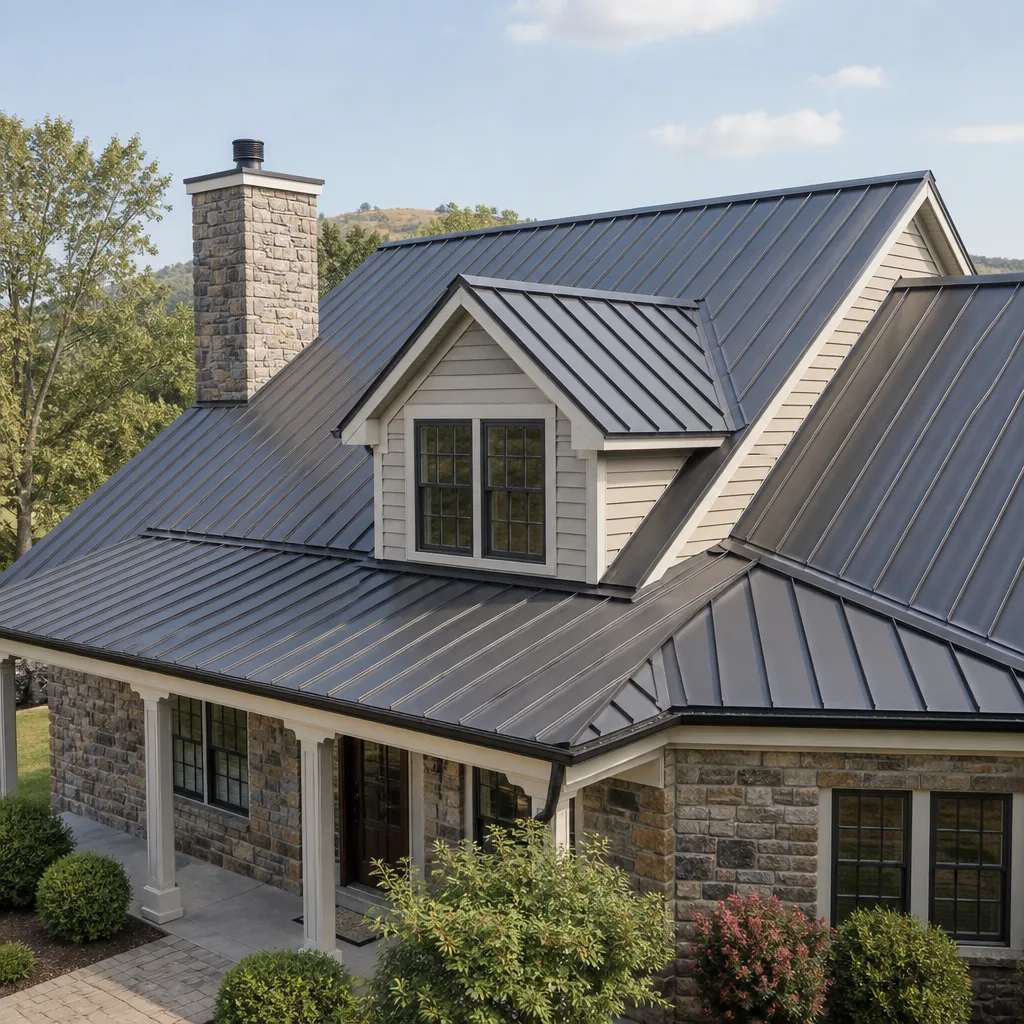
 Metal roofing
 Architectural shingles
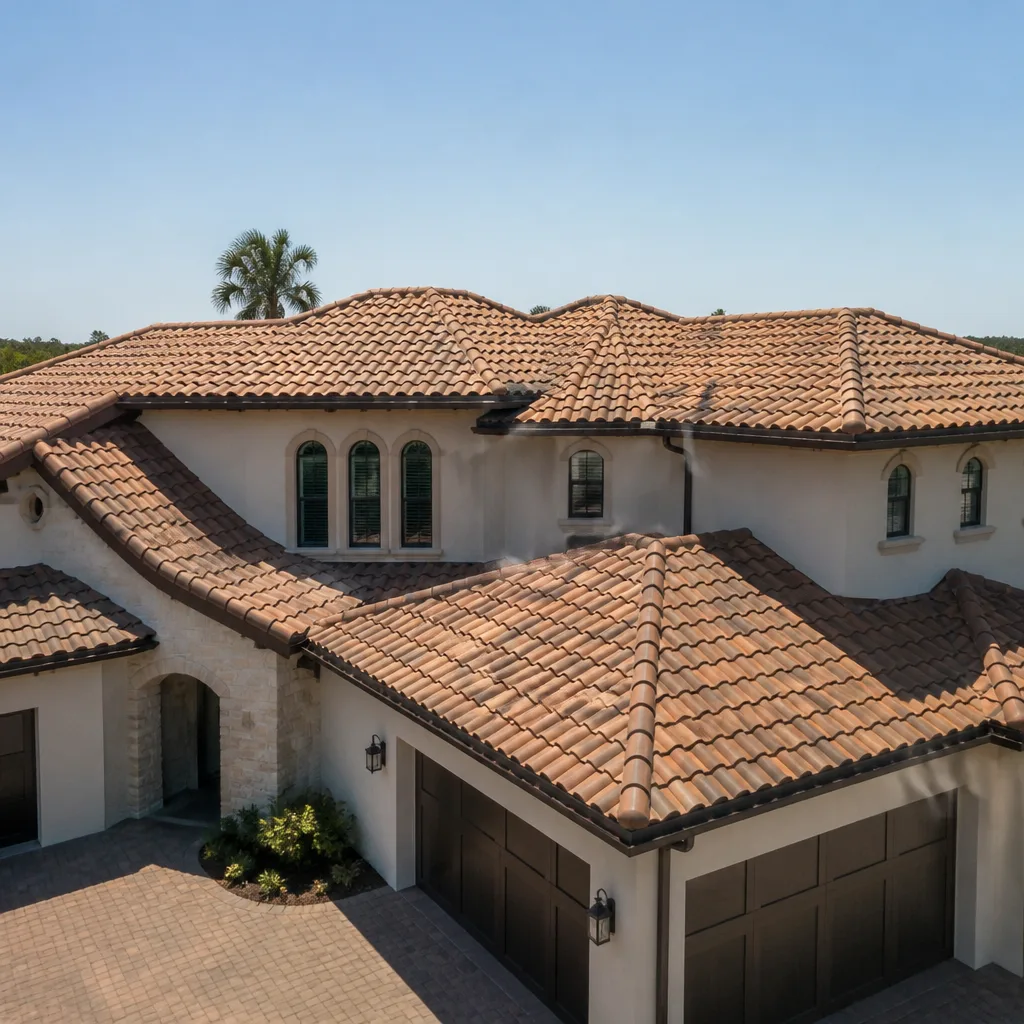 Tile roofing
 GAF
GAF Owens Corning
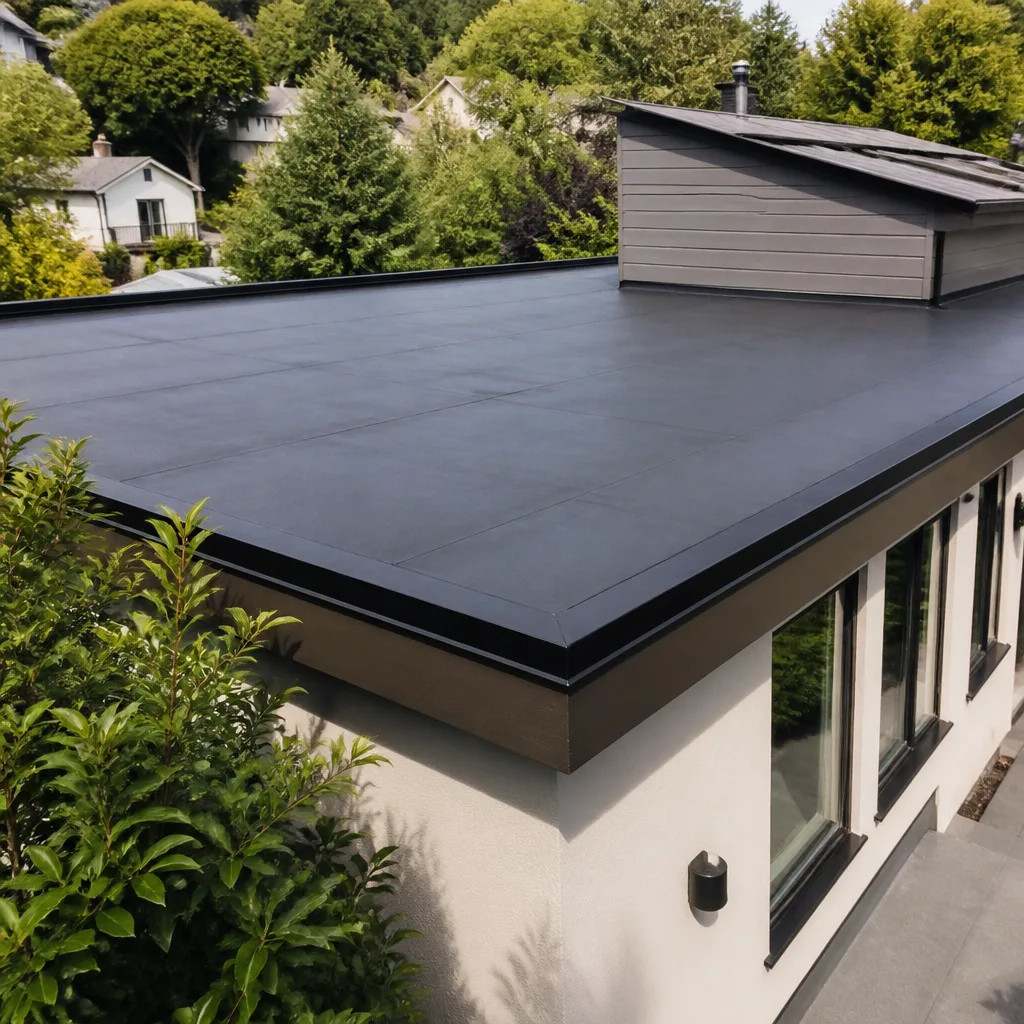 Flat & low-slope
Free roof inspection with deck photos before we talk money - GAF and Owens Corning certified installation
Styles & brands we work with
See the difference
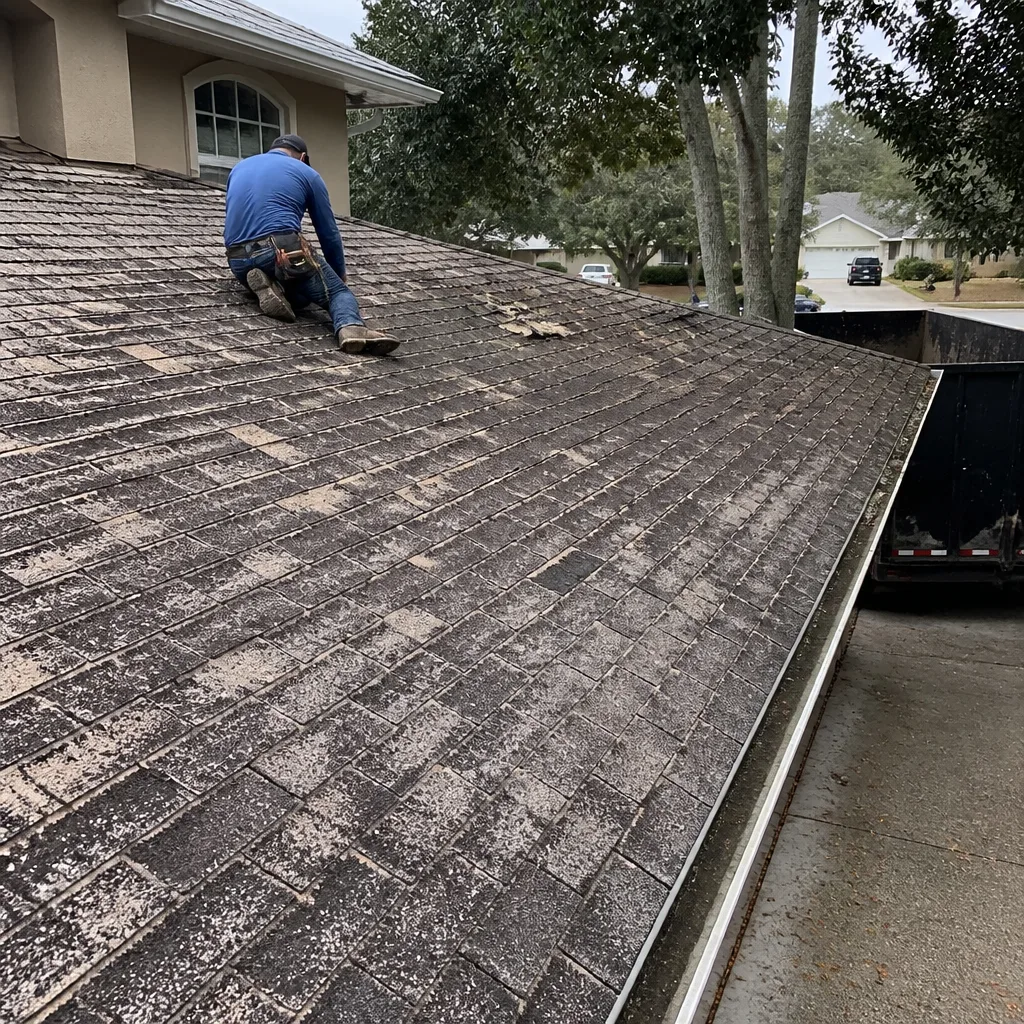 Before
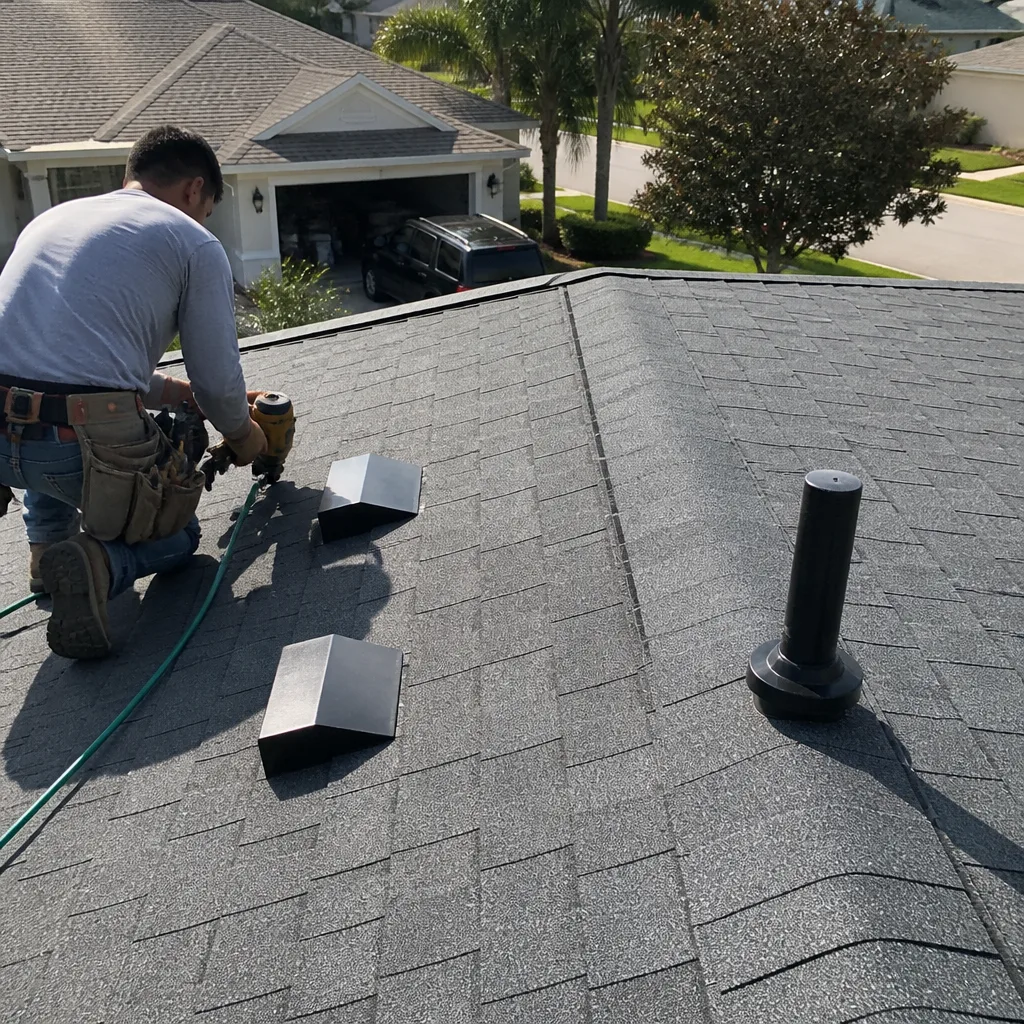 After
After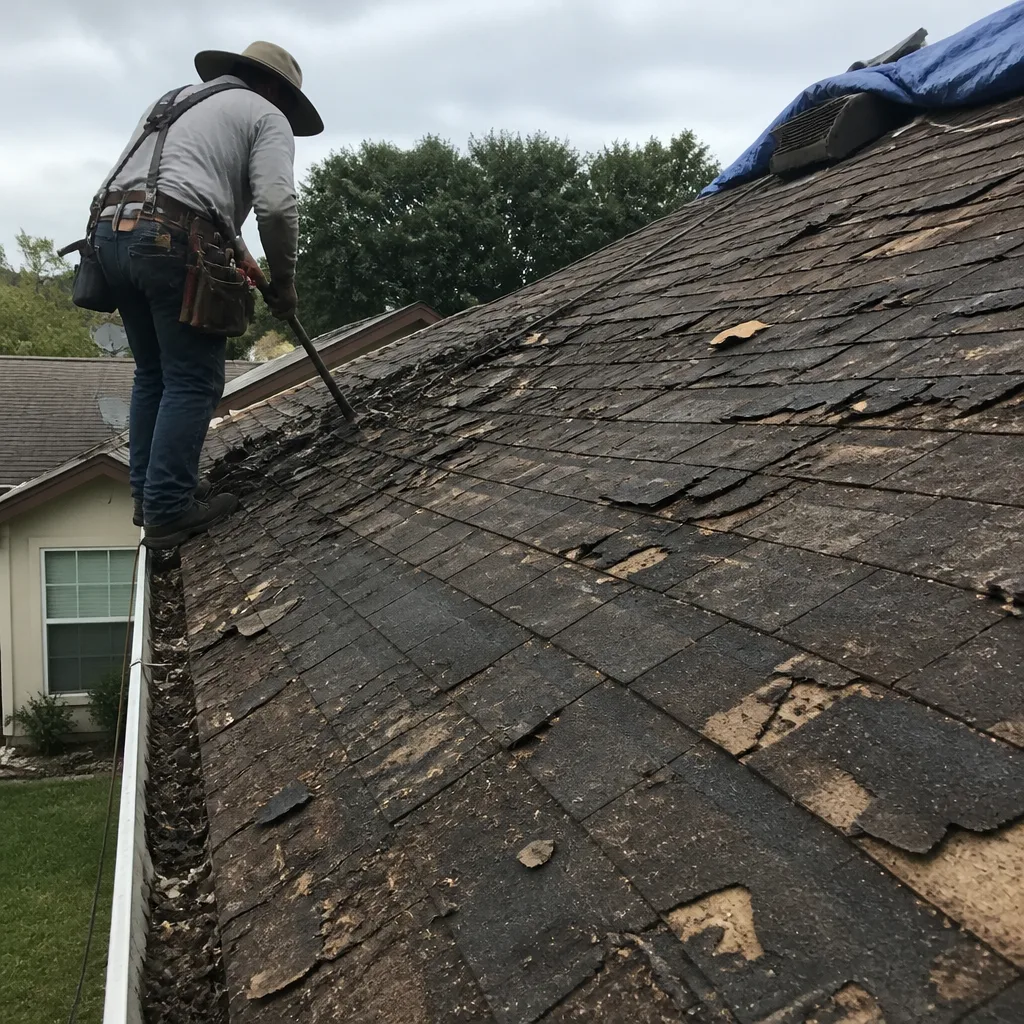 Before
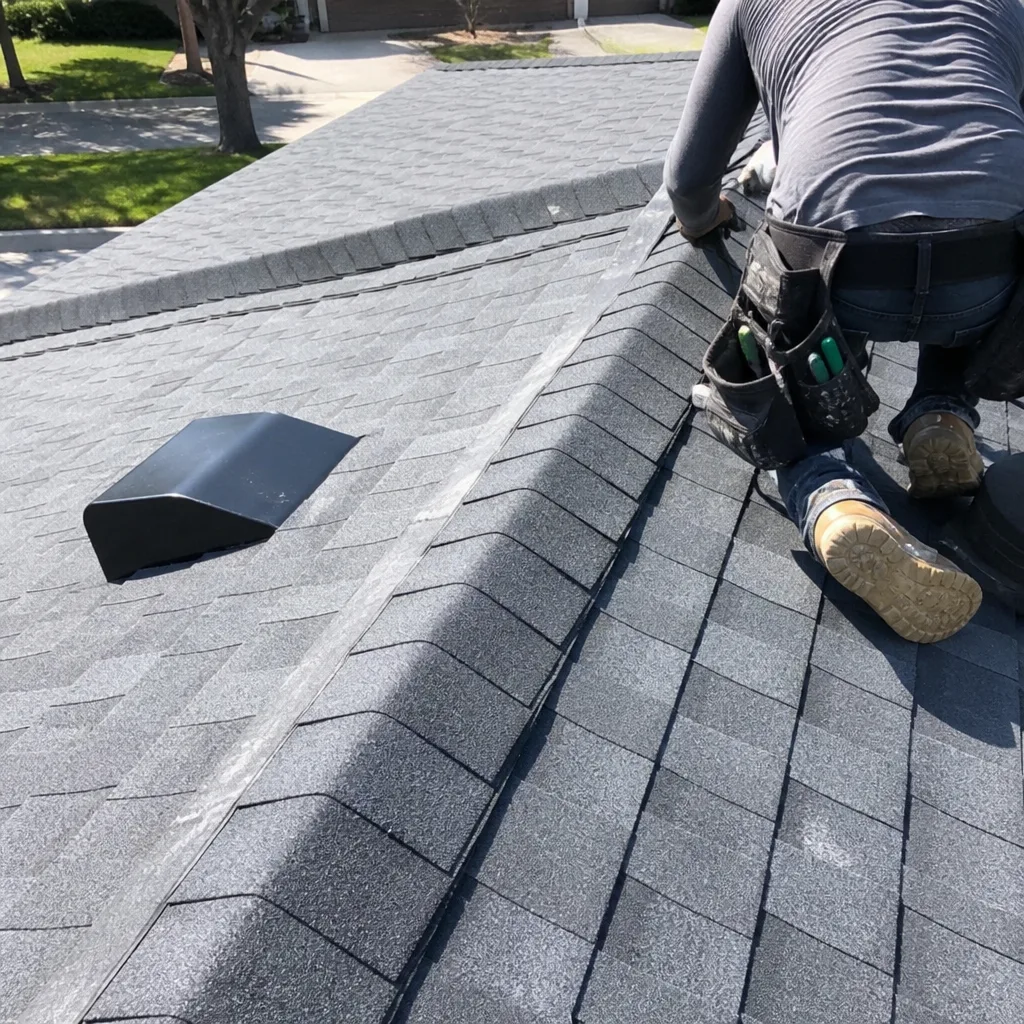 After
After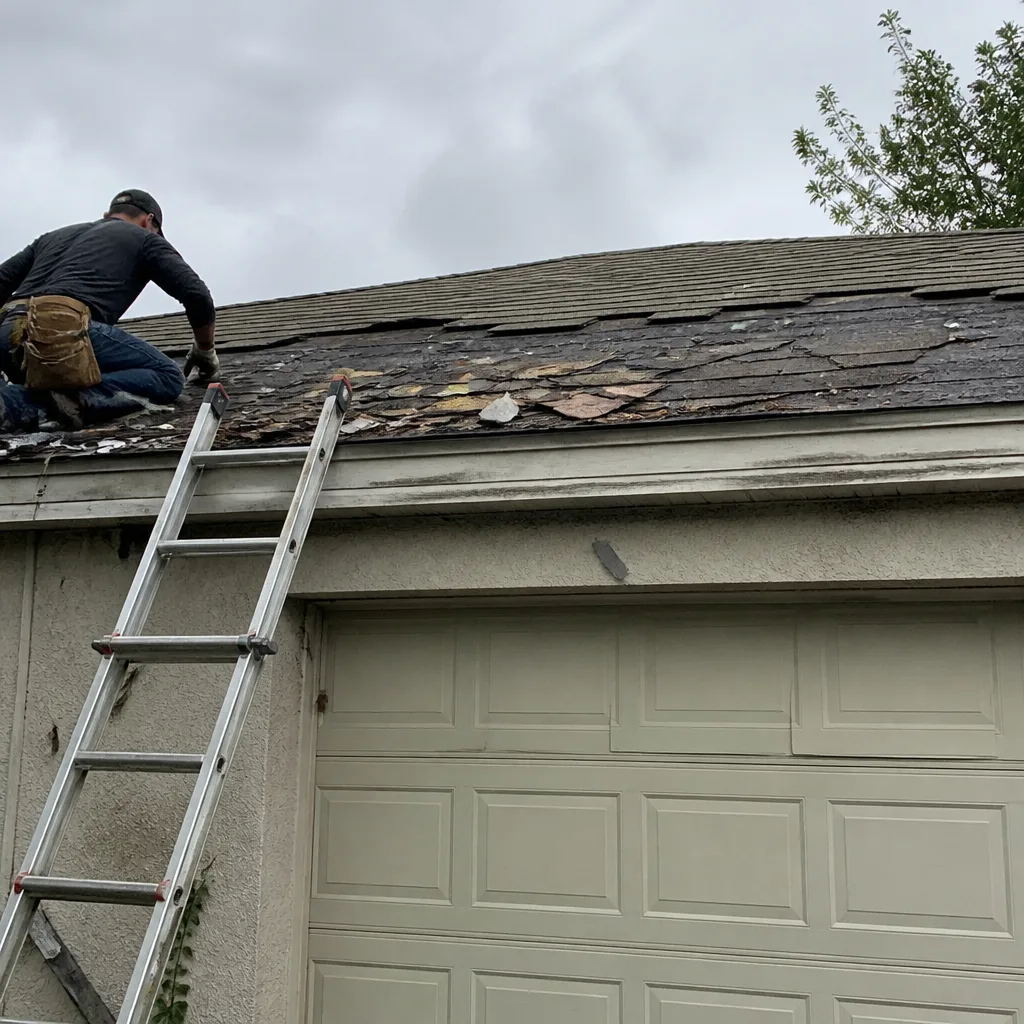 Before
 After
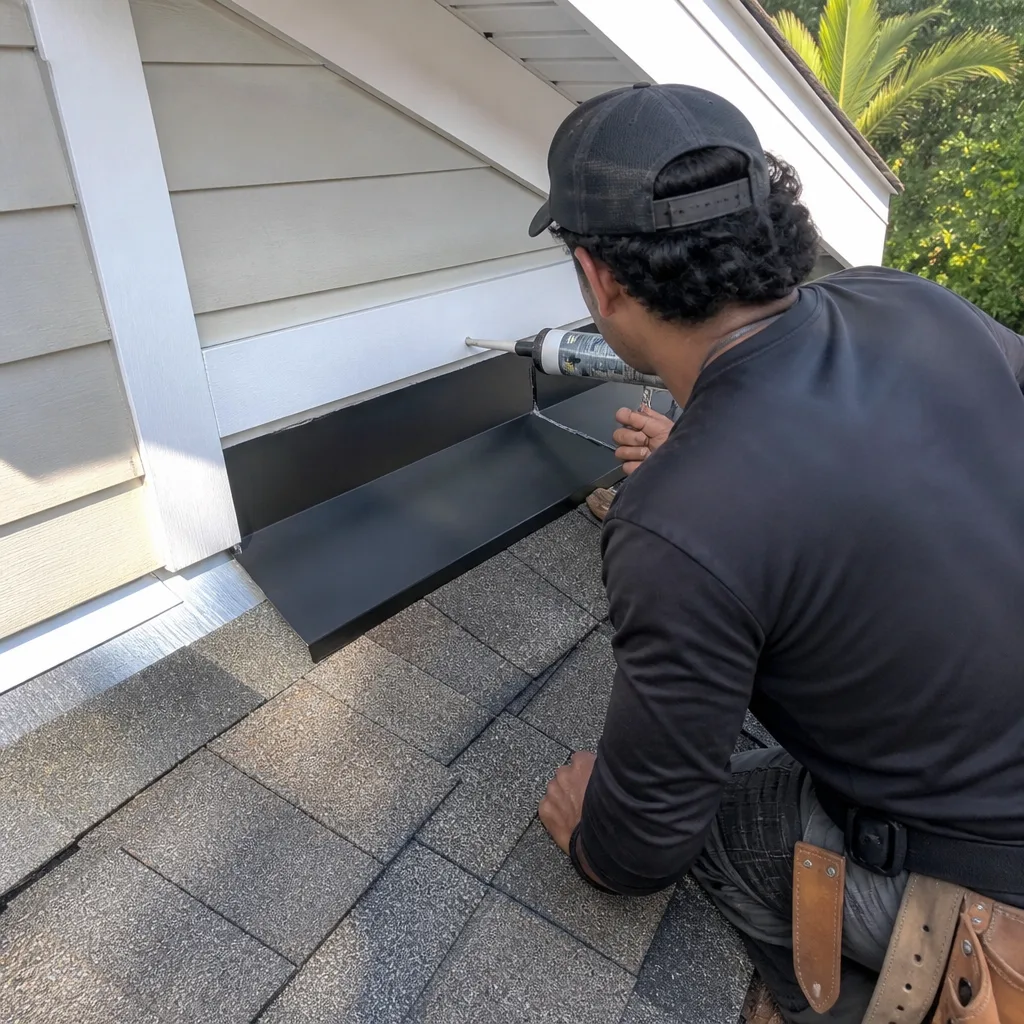
AfterValley Repair in Orlando, FL
A valley is the V-shaped channel where two roof slopes meet, and in Orlando they carry more water than almost any other part of the roof. When a valley starts leaking, it’s not a slow drip you can ignore for a season. It’s concentrated runoff from two roof planes collecting in one narrow path, which means even a small gap in the valley metal or a few missing shingles can put water directly into your attic during a typical Florida afternoon thunderstorm. Crestview Roofing Co Orlando handles valley repair as a core part of our Roof Repair work, and we treat it with the urgency it deserves. If you’re seeing stains on the ceiling near an interior corner or water in the attic after heavy rain, call us at (448) 218-0800. We’ll send a technician, not a salesperson.
When You Need Valley Repair
Valleys fail quietly at first. The signs show up inside before you ever see anything from the ground. Here’s what we hear most often from homeowners in Orlando when they call about valleys.
- Water stains on the ceiling near a room corner – Valleys often align with interior wall intersections. If the stain is in a corner, not the middle of a room, the valley above is the first thing we check.
- Damp attic insulation after an afternoon storm – Florida’s daily summer rain pattern means a compromised valley leaks almost every day, not just once a season. If your insulation feels damp to the touch with no visible roof damage from the street, suspect a valley.
- Lifted, cracked, or missing shingles in the valley line – Shingles in a valley take more water velocity than shingles on the flat roof plane. They fail faster. From the ground, look for a zigzag pattern of missing tabs running down the V.
- Visible rust, holes, or separation in the valley metal – Many Orlando homes have open metal channels in the valleys. Florida humidity and daily rain cycles accelerate corrosion. If you can see rust from the gutter, call us before the next downpour.
- Granules accumulating in gutters below a valley – The shingles that flank a valley shed their protective granules faster than anywhere else on the roof. If you’re cleaning valleys of black grit from your gutters more than once a year, the valley covering is wearing thin.
- Leaks that reappear after a general roof patch – A roofer who patches the roof plane but doesn’t address the valley geometry hasn’t fixed the root cause. We regularly get calls from neighbors in Baldwin Park and Conway who had a patch done, only to see the same stain reappear within a month.
Our Valley Repair Process
Valley repair is not a one-size-fits-all patch job. The right fix depends on how the valley was built, what’s failing, and how much water it carries during a heavy Orlando storm. Here’s how we work, step by step, so you know what’s happening before we touch the roof.
- Open valley or closed valley assessment – We identify how your valley was originally constructed. An open valley uses a visible metal channel. A closed valley has shingles woven or cut across the channel. The failure mode is different for each, and the fix is different too. We explain this in plain English and show you photos from the roof.
- Written price before any work starts – After the inspection, you get a written price for the repair. Not an estimate range over the phone, not a number that changes when we arrive. The price on the page is the price on the invoice. This is the Relay Standard we follow on every job, and it’s non-negotiable.
- Material removal and substrate check – We strip back the valley area to inspect the wood decking beneath. In Orlando, a leaking valley often means water has been soaking the plywood for months. If the decking is soft or deteriorated, we show you a photo and tell you what we found before we replace it. No hidden change orders.
- New underlayment and valley lining – We install fresh ice-and-water shield or valley membrane along the full length of the channel. In Orlando’s climate, this is the layer that keeps water out even if the top layer gets compromised later. The valley flashing goes in next, followed by new shingles cut and fastened correctly on both sides.
- Before-and-after photo documentation – You get photos of what we found, what we did, and what the finished valley looks like. These are sent to your phone along with the digital invoice. There’s no mystery about what you paid for.
- 365-Day Done Right Promise, in writing – Every valley repair is covered for a full year. If the same valley leaks again within 365 days, we come back and fix it at no charge. That includes a free second visit. No negotiation, no pro-rated formula, no runaround.
Valley Repair Pricing in Orlando
Most valley repairs in Orlando run between $350 and $900, depending on how long the valley is, whether the decking underneath needs replacement, and whether the valley is an open metal channel or a closed shingle valley. A small open valley fix on a single-story home in College Park typically sits at the low end of that range. A long closed valley on a two-story home in Dr. Phillips with rotted decking can push toward the high end. Here’s how the pricing breaks down.
| Repair Component | Typical Range in Orlando |
|---|---|
| Inspection and written quote | Free |
| Small open valley metal replacement (single story, up to 10 feet) | $350 – $550 |
| Closed valley shingle reflash and reseal | $450 – $700 |
| Full valley rebuild (stripping both roof planes, new underlayment, new shingles) | $700 – $900 |
| Decking replacement (per 4×8 sheet, if water damage found) | $75 – $120 per sheet |
What affects the final number? The valley’s length is the biggest driver. A valley that runs from ridge to gutter on a single-story ranch in Winter Park is simpler to work than a 20-foot valley on a tile-flanked two-story in Lake Nona. Roof pitch matters too: steeper roofs require more safety equipment and slower work. And if we find rotted decking, that material needs replacing before any valley reconstruction makes sense. You won’t get a surprise line item at the end. The written price covers the full scope, and if we discover a problem mid-repair, we stop, show you a photo, and get your sign-off before moving forward. For an exact number on your valley, call (448) 218-0800. Estimates are free, and a live person answers 24/7.
Why Orlando Valleys Fail Faster Than the Rest of the Roof
Orlando’s weather is uniquely hard on roof valleys. We get about 52 inches of rain a year, but it doesn’t fall evenly across the calendar. Most of it comes in concentrated bursts between June and September, often in the late afternoon when the pavement has been heating all day. That means valleys repeatedly get hit with high-volume water flow, then dry quickly under intense sun. The expansion and contraction cycle stresses the sealant, the shingle adhesive, and the metal flashing. Add in organic debris from Orlando’s oak canopies, which collects in valley channels and holds moisture against the roof surface, and you have a recipe for accelerated deterioration. In neighborhoods like Audubon Park and Thornton Park, where mature oaks overhang rooflines, we replace valley flashing far more often than in newer subdivisions with smaller trees.
Materials We Use for Valley Repair
We install valley components from manufacturers we trust, and we’ll tell you exactly what’s going on your roof before we start. For valley metal, we use the appropriate gauge galvanized or aluminum flashing sealed with high-quality roofing sealant. For underlayment, we use reinforced ice-and-water barrier that grips the decking and self-seals around fasteners, which matters when Orlando gets a sideways rainstorm that pushes water up under the shingles. For shingle work around closed valleys, we use products from GAF, CertainTeed, and Owens Corning, matched to your existing roof so the repaired valley blends without an obvious patch line. If your home has a tile roof, we use valley flashing systems rated for tile profiles and closed cell foam closure pieces to keep the valley watertight, similar to how a Flat Roof Patch seals vulnerable areas on low-slope surfaces.
Open Valley vs. Closed Valley: What’s on Your Orlando Roof?
Knowing which type of valley you have helps you understand what a repair should look like. An open valley has a metal channel visible in the V, with shingles cut back on either side to expose the metal. Water flows down the metal channel. These valleys are easier to inspect and typically last longer than closed valleys because water moves over metal, not shingle edges. A closed valley has shingles that cross over the channel, either woven together or cut at an angle. Closed valleys look more traditional from the street, but they trap water, debris, and eventually undermine the shingles that cross the channel. In Orlando, we see closed valley failures more often because of our heavy afternoon rains combined with oak leaves that settle in the submerged channel and hold moisture for days. If your roof has closed valleys and you’re chasing a leak, the valley is nearly always the culprit.
Safety We Take Seriously
Valley work means working on a roof, often in the middle of the day under the Florida sun. Our technicians are background-checked, uniformed, and trained in fall protection and ladder safety. We work carefully and never rush a valley repair to beat an afternoon storm, because rushing a roof repair is how mistakes happen and how technicians get hurt. If the weather turns hazardous mid-repair, we secure the exposed area with tarps and finish when it’s safe. You’ll know who is coming to your home before they arrive, thanks to the live trackable arrival time that’s part of our standard process. No four-hour windows, no guessing, no wondering if anyone is actually coming.
How a Valley Leak Turns Into a Bigger Orlando Problem
A leaking valley doesn’t stay a small problem. Water entering at the valley line travels along the underside of the roof decking, often following rafter lines and pooling far from the original entry point. In a single rainy season, that water can saturate insulation, warp drywall, and create the dark, humid conditions where mold thrives. In Orlando, where humidity levels rarely drop below 60%, mold development starts within 48 hours of the first meaningful leak. By the time you see a ceiling stain, the problem has usually been active for weeks or months. We’ve opened valleys in homes around Delaney Park and found decking that had been quietly rotting for years while the homeowner assumed the stain was from a one-time storm. The sooner we look at the valley, the smaller the repair. A $500 valley fix in May is cheaper than a $4,000 ceiling and decking rebuild in September.
What a Correct Valley Repair Looks Like
After we finish, here’s what you should see from the ground and feel confident about inside. From the street, the valley line should be crisp and straight, with no gaps, no visible nails in the channel, and no shingle edges curling into the water path. If you have an open valley, the metal should be continuous, properly lapped at the seam, and free of rust. If you have a closed valley, the shingles should lay flat and sealed, with no exposed adhesive or tar patches. Inside your attic, the underside of the decking should be dry to the touch after the next heavy rain. If anything doesn’t look or feel right, you have our number and the 365-Day Done Right Promise behind the work. We’re not hard to reach. A live person answers our phone 24/7, even on weekends when it’s raining and you’re worried about the roof.
Valley Repair Cost vs. Roof Replacement in Orlando
It’s almost always cheaper to repair a valley than to replace a roof, but there’s a line where chasing repairs stops making sense. If the valleys are failing because the shingles surrounding them are well past their service life, patching the valley is a temporary fix on top of a larger problem. We’ll tell you plainly when that’s the case. A roof that’s 18 years old with three failing valleys and shingles that are losing granules across the entire surface is not a roof worth re-valleying. But a roof that’s 8 years old with one bad valley is a perfect candidate for a targeted repair. We won’t sell you a roof replacement when a $500 valley repair fixes the problem. That honesty is part of how we operate. You’ll get a straightforward recommendation with photos to back it up, and you’ll get it in writing before you make a decision.
Valley Repair and the 365-Day Done Right Promise
Every valley repair we do is covered by our 365-Day Done Right Promise. This is not a verbal assurance. It’s in writing, included with every job at no extra cost, and it covers the repaired valley for a full year. If the same valley leaks within 365 days, we return and correct it free of charge. That includes a free second visit, no charge, no negotiation, no fine print about “consequential damage” beyond the repair area. We can offer this because we build valleys to handle Orlando’s rain, not just to pass a quick visual check. The guarantee is one reason homeowners choose us over roofers who quote one number and disappear after the check clears.
Valley Repair vs. Ridge Repair vs. Flashing Repair
Roof leaks in Orlando get blamed on a lot of things. The three most common sources we find are valleys, ridges, and flashing. They fail differently and cost different amounts to fix. Ridges are the horizontal peaks where two roof planes meet, and they fail when ridge cap shingles crack or loosen, letting water in at the top. Flashing Repair is the metal that seals joints around chimneys, skylights, vents, and walls. Valleys are the diagonal channels that collect and direct water. When you see a leak near a chimney, it’s usually flashing. When you see a leak near a room corner, it’s usually a valley. When you see water streaks down a slope from the peak, it’s usually a ridge issue. We diagnose all three, but we only fix what’s actually failed. You get a clear explanation and photos of the problem before we recommend any work.
FAQs – Valley Repair
How much does valley repair cost in Orlando?
Valley repair in Orlando typically costs between $350 and $900, with most standard repairs landing in the $400 to $650 range. The exact number depends on the valley’s length, whether the decking underneath is rotted, and whether your roof has open metal valleys or closed shingle valleys. Call (448) 218-0800 for a written, no-obligation quote on your specific valley. Estimates are free.
Can you fix a leaking valley the same day?
Yes, in most cases we can complete a standard valley repair the same day we arrive, as long as the weather cooperates and the decking doesn’t require extensive replacement. We know that a leaking valley during a Florida storm pattern is urgent, which is why a live person answers our phone 24/7 and we schedule valley repairs with minimal delay. Call (448) 218-0800 to check today’s availability.
Is it cheaper to repair a valley or replace the whole roof?
Repairing a valley is almost always cheaper than replacing a roof, typically by thousands of dollars. A valley repair runs $350 to $900, while a full roof replacement in Orlando generally runs $8,000 to $18,000 or more depending on size and materials. The exception is when the roof surrounding the valleys is at the end of its life, in which case valley repairs become a short-term bandage rather than a real solution. We’ll tell you which situation you’re in with photo documentation to back it up.
What causes valley leaks in Orlando?
Valley leaks in Orlando are most often caused by failed sealant, corroded valley metal, shingles that have lifted or broken along the valley line, and organic debris that collects in the channel and holds moisture against the roof. The daily afternoon rain pattern between June and September means valleys here fail faster than in drier climates, especially on homes with closed shingle valleys and heavy tree coverage. If you see water stains near an interior corner, call (448) 218-0800 and we’ll find the exact source.
How long does a valley repair last?
A properly executed valley repair using quality materials typically lasts 10 to 15 years or longer, which is why we back every valley repair with our 365-Day Done Right Promise. The guarantee covers the repaired valley for a full year in writing. Beyond that, the lifespan depends on the roof’s overall age, the valley’s exposure to debris, and how well the surrounding roof is maintained. We build valleys to survive Orlando’s rain, not just to hold until the next inspection.
Get Your Orlando Valley Repaired
If you suspect a valley leak on your Orlando home, don’t wait for the next storm to confirm it. Call Crestview Roofing Co Orlando at (448) 218-0800 for a free inspection and a written price before any work starts. You’ll get a technician with a name, a live arrival time you can track, before-and-after photos of the valley, and a digital invoice sent to your phone. Every repair is covered by the 365-Day Done Right Promise. That’s the Relay Standard, and it’s how we’ve worked since 2000. If you’re also exploring other roofing issues, start with our guide to Roof Repair in Orlando for the full picture.
Written by Dylan Pace, Owner at Crestview Roofing Co Orlando, serving Orlando.