
Last updated October 17, 2026
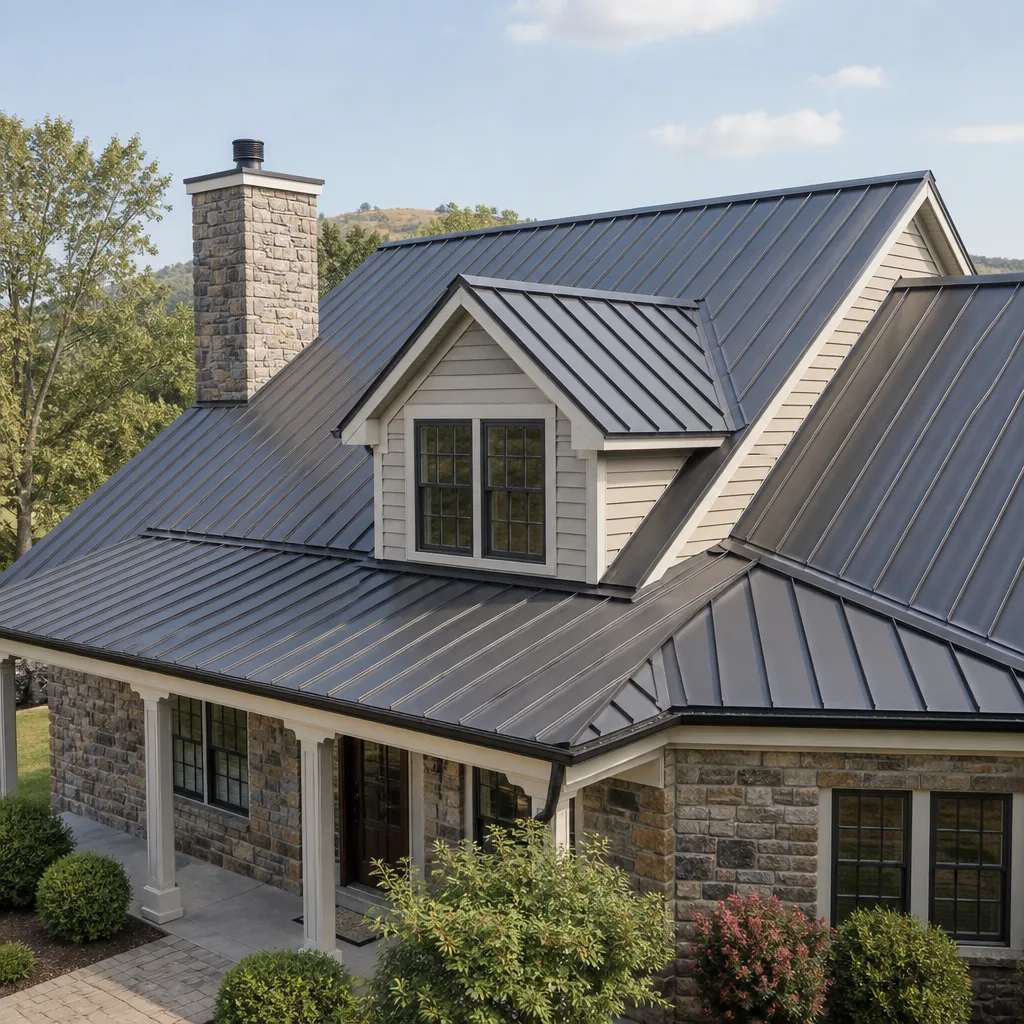 Metal roofing
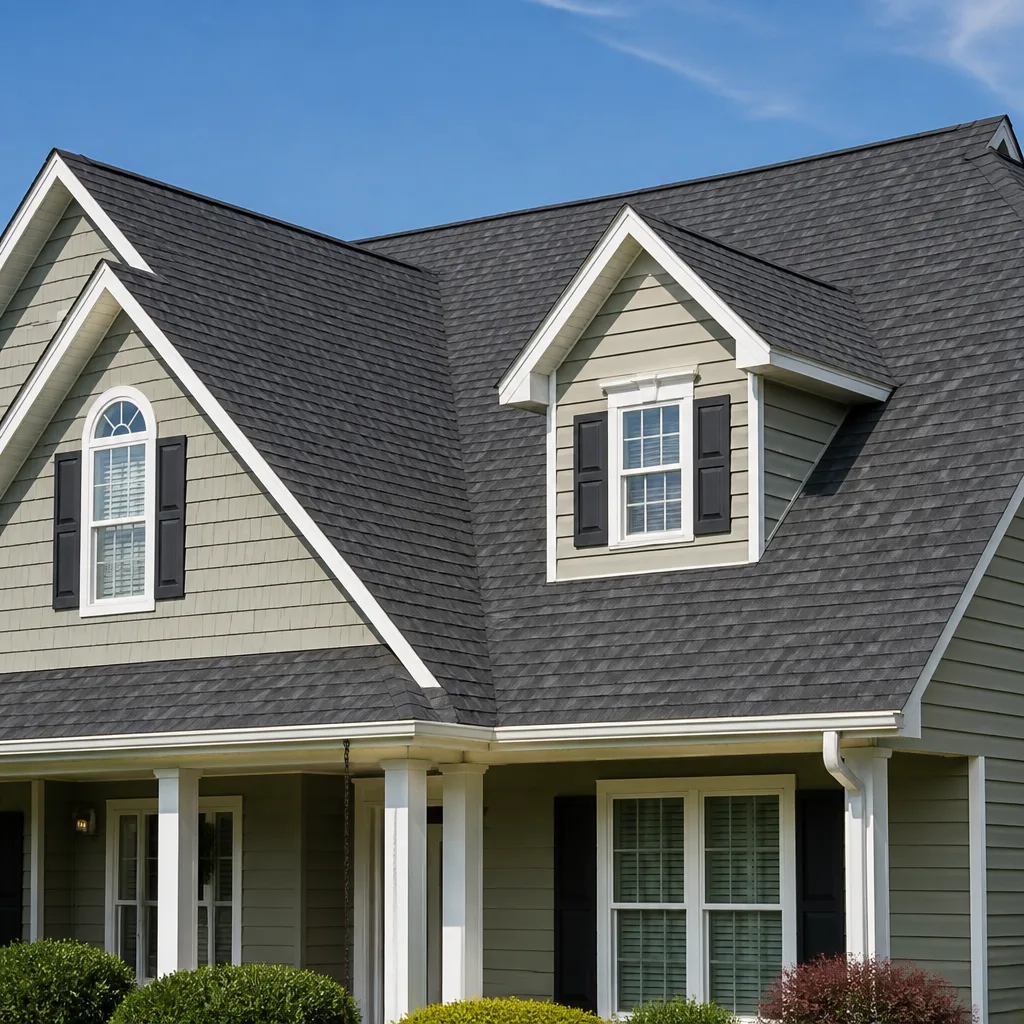 Architectural shingles
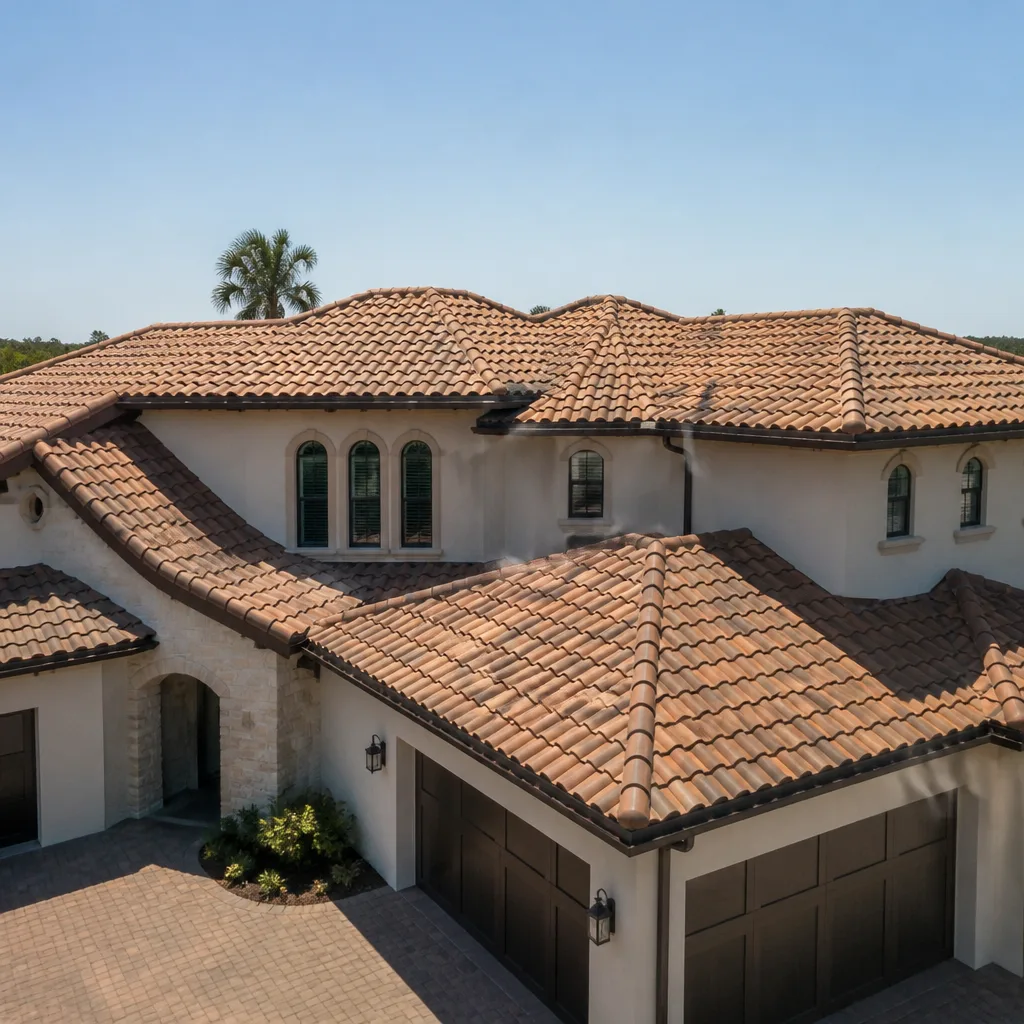 Tile roofing
 GAF
GAF Owens Corning
 Flat & low-slope
Free roof inspection with deck photos before we talk money - GAF and Owens Corning certified installation
DIY vs Professional Roofing: The Orlando Homeowner’s Decision Guide
In Florida, a homeowner can legally pull a permit and reroof their own house. No contractor’s license required. But the moment you go to sell that house, the unpermitted DIY roof you installed becomes a disclosed defect that buyers, their lenders, and their inspectors can use to renegotiate the price or walk away entirely. It’s a risk almost no DIY roofing video on YouTube thinks to mention, and it’s the central tension of this guide. We’ll walk through what Florida law actually permits, what your insurance policy will and won’t cover, what a DIY job really costs once you factor in waste and rework, and where the line sits between a smart weekend repair and a five-figure mistake. If you own a home in Orlando and you’ve been weighing the DIY route against hiring a licensed roofer, this is the decision framework you need.
Styles & brands we work with
Quick Answer
DIY roofing in Orlando is legal but rarely the better financial decision once you account for permit liability, insurance coverage gaps, voided manufacturer warranties, and the cost of correcting first-time installation errors. Professional roofing costs more upfront but transfers the legal exposure, warranty obligations, and code compliance to a licensed contractor. For small, non-structural fixes like a single pipe boot or gutter cleaning, DIY makes sense. For anything that requires a permit or touches the roof deck, underlayment, or shingle field, hiring a licensed Orlando roofer is the safer play.
Table of Contents
- What Florida Law Actually Says About DIY Roofing
- What’s Realistically DIY in Orlando (and What Isn’t)
- How DIY Roofing Interacts With Your Homeowner’s Insurance
- The True Cost Comparison: DIY vs Professional in Orlando
- The Manufacturer Warranty Angle Nobody Mentions
- Why Orlando’s Climate Punishes Rookie Roofing Mistakes
- Permits, Inspections, and the One-Year Rule
- Common Mistakes to Avoid
- When to Call a Professional
- Frequently Asked Questions
- The Bottom Line
What Florida Law Actually Says About DIY Roofing
Florida Statute 489.103 includes something called the homeowner-builder exemption. It sounds like a loophole, but it’s actually a narrow, tightly regulated allowance. Here’s what it permits: you, as the owner of a single-family home that you live in or intend to live in, can act as your own contractor and pull a building permit for work on that home. You don’t need a state contractor’s license. You do need to sign a disclosure affidavit at the permit office acknowledging that you’re taking on the liability of the work, that you understand the building code applies to you just as it would to a licensed contractor, and that you’ll personally supervise the work.
Here’s the catch most homeowners in Orlando never hear about until it’s too late. Florida Statute 489.103(7) prohibits you from selling, leasing, or renting the home for one full year after the permit closes. The law exists to prevent flippers and unlicensed operators from using the homeowner-builder exemption to dodge licensing requirements. If you DIY your roof and then need to sell within twelve months, you’re in a legal bind: you either wait out the clock or you sell with a known, unpermitted, self-built roof hanging over the transaction.
What the Affidavit Actually Says
When you sign the homeowner-builder affidavit in Orange County, you’re attesting to several specific things under penalty of perjury. You’re stating that you own the home, that you’re not reselling it within a year, that you understand the Florida Building Code applies, and that you’re assuming full liability for the work. That last part is where the legal exposure bites. If a future buyer discovers flashing installed incorrectly around a chimney and the resulting leak has rotted a section of roof deck, that’s now your problem to disclose. If you don’t disclose it, the liability doesn’t disappear. It compounds.
What’s Realistically DIY in Orlando (and What Isn’t)
Let’s be practical. Not every roofing task requires a permit, and not every DIY roofing project is a bad idea. The key distinction is whether the work touches the roof’s water-shedding system or the structural deck beneath it. If it does, you need a permit and you need to know what you’re doing. If it doesn’t, you’re probably fine.
The DIY-Friendly Shortlist
These are the tasks we tell homeowners in Orlando are genuinely reasonable to tackle themselves, assuming they’re comfortable on a ladder and the roof is a low-slope, single-story surface:
- Replacing a single pipe boot or flashing collar. These rubber boots around plumbing vents dry out and crack in Florida’s UV exposure. A replacement costs $15 to $40 and takes about an hour. This is the most common legitimate DIY roofing repair.
- Cleaning gutters and downspouts. Clogged gutters in Orlando’s summer thunderstorm season cause water to back up under eaves and fascia. Two to three cleanings per year prevent most of that damage.
- Sealing exposed fasteners on a metal roof. Neoprene washers on metal roof screws degrade over time. Replacing them with fresh gasketed screws is straightforward if you can identify the existing fastener pattern.
- Minor shingle tab re-adhesion. A single lifted shingle tab on a cool morning can be re-secured with a dab of roofing cement. This doesn’t require a permit and prevents wind-driven rain intrusion.
The Don’t-Touch List
These tasks require a permit in Orange County, and attempting them without one means your work is unpermitted, uninspected, and potentially uninsurable:
- Replacing any section of roof decking or plywood sheathing. Once you’re past the shingles and felt, you’re in structural territory. The wind-load requirements in Florida’s High Velocity Hurricane Zone provisions apply.
- Installing or replacing underlayment. Florida requires specific underlayment types depending on the shingle system and roof slope. Nail patterns, overlaps, and fastening schedules are code-mandated.
- Full or partial shingle replacement. A re-roof is a permitted job, period. It requires inspections at multiple stages: deck condition, underlayment installation, fastener verification, and final shingle inspection.
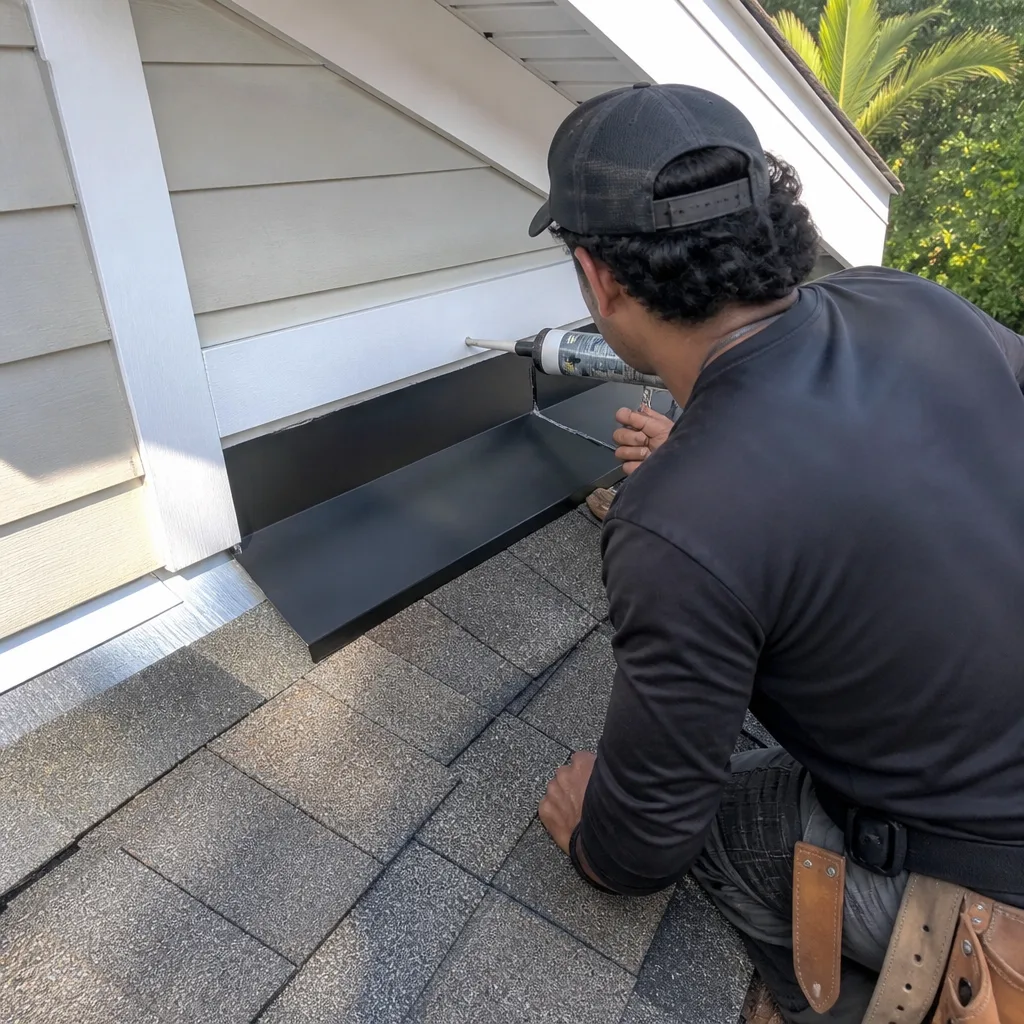
- Flashings at chimneys, skylights, walls, or valleys. These are the most leak-prone areas on any Orlando roof, and the detailing requirements are specific. Getting them wrong means water intrusion that may not show up for months.
How DIY Roofing Interacts With Your Homeowner’s Insurance
Here’s where the DIY roofing question gets genuinely expensive, and it’s a conversation almost nobody has until after a claim is denied. Florida homeowner’s insurance policies are written with specific language about the condition of the roof and who performed work on it. The industry has tightened dramatically since the post-2022 reforms that followed Hurricanes Irma and Michael. Insurers in Orlando now inspect roofs before binding coverage, and they’re looking for signs of unlicensed work.
The Proximate Cause Doctrine
If you install a roof yourself and a leak later damages your ceiling, your insurer will investigate the claim. If the investigation determines that the leak was caused by an installation error, the claim can be denied under a doctrine known as proximate cause. The insurance company’s position is that the damage was caused not by a covered peril like a windstorm, but by faulty workmanship, which is excluded from most standard policies. You can’t insure yourself against your own construction mistakes. When a licensed contractor makes an installation error, you have recourse: their liability insurance, their workmanship warranty, and Florida’s construction defect statutes. When you make the error yourself, you eat the full cost.
The Underwriting Reality
Beyond claims, there’s the underwriting problem. Many insurers in the Orlando market now ask about the age of the roof and who last worked on it. An owner-permitted roof might be insurable, but often only after a licensed inspection verifies the work meets code. Some carriers won’t write a policy at all on a homeowner-built roof that’s under five years old. That’s a financial reality that doesn’t show up in any DIY cost calculator: the cost of your insurance premiums, or the cost of being uninsurable, is a line item most homeowners ignore until renewal time.
The True Cost Comparison: DIY vs Professional in Orlando
Every DIY roofing article leads with the same math: shingles cost $90 to $120 per square (a roofing square is 100 square feet), so a 25-square roof costs $2,250 to $3,000 in materials. A professional charges $12,000 to $18,000 for the same roof. Therefore, DIY saves you ten grand. That math is wrong. Here’s what it actually misses.
Material Waste on First-Time Installs
Professional roofers order 10 to 15 percent overage to account for cutting, hips, valleys, and waste. A first-time DIY roofer in Orlando working with hip-and-valley geometry typical of Dr. Phillips or Baldwin Park homes will burn through 20 to 25 percent waste. On a 25-square roof, that’s an extra 2.5 squares of shingles, an extra roll of underlayment, and an extra trip to the supply house. Call it $400 to $700 in materials that end up in a dumpster.
Equipment and Disposal
You’ll need a roofing nail gun ($60 to $90 per day for rental), a compressor if you don’t own one, ladder standoffs ($40), roof brackets and planks ($75), a magnetic sweeper for nails ($120, and non-negotiable in Orlando where a barefoot kid in the yard is a real possibility), and a dumpster or trailer for tear-off. A 25-square tear-off produces roughly 2.5 to 3 tons of debris. Dumpster rental in Orange County runs $400 to $550. Disposal fees add another $150 to $200. Total equipment and disposal: $1,000 to $1,400.
The Failure Correction Line Item
Fastener patterns are the most common failure point on DIY roofs. Florida Building Code requires six nails per shingle in high-wind zones. A first-timer using a nail gun without depth adjustment control will overdrive or underdrive hundreds of fasteners. Overdriven nails cut through the shingle. Underdriven nails don’t seat the shingle against wind uplift. An inspector who catches this will fail the roof, and you’ll be re-installing sections you thought were done. Between rework labor, extra shingles, and your own time at Orlando’s summer heat index of 100-plus degrees, the corrections cost is easily $800 to $1,500.
Real Numbers Side by Side
| Cost Category | DIY (25-square roof) | Professional |
|---|---|---|
| Shingles and underlayment | $3,000 – $3,800 (with waste) | $4,200 – $5,500 |
| Flashings, vents, ridge cap | $350 – $500 | $400 – $600 |
| Equipment rental | $250 – $400 | Included |
| Dumpster and disposal | $550 – $750 | Included |
| Permit fees (Orange County) | $200 – $400 | $200 – $400 (passed through) |
| Liability and warranty risk | Yours, unlimited | Contractor’s |
| Time commitment | 3 – 5 full weekends | 2 – 3 days |
| Realistic total | $4,500 – $6,000 plus your time | $10,500 – $16,000 |
The honest math: DIY saves you $5,000 to $10,000, in exchange for weeks of your time, permanent liability exposure, a likely voided manufacturer warranty, and an insurance risk that could cost far more than the savings if anything goes wrong.
The Manufacturer Warranty Angle Nobody Mentions
Every major shingle manufacturer writes installation requirements into their warranty language, and the requirement is consistent across the board. For GAF’s System Plus and Golden Pledge warranties, for CertainTeed’s SureStart Plus, for Owens Corning’s System Protection and Preferred Protection: the shingles must be installed by a licensed contractor. Let that land. The warranty doesn’t say “installed correctly.” It says installed by a licensed contractor, in those words, as a threshold condition.
If you buy GAF shingles at a supply house in Orlando and install them yourself, you get the basic material warranty, which covers manufacturing defects only. You do not get the wind coverage, the algae protection, or the labor coverage. And here’s the part that matters most in Florida: the standard material warranty typically caps wind coverage at 60 mph unless the shingles are installed by a licensed contractor using the manufacturer’s required accessory system. Orlando’s design wind speeds under current code are 120 to 140 mph. A DIY roof built to basic material warranty standards is not a hurricane-rated roof, and your insurer knows exactly how to read the warranty language.
What a Licensed Contractor’s Installation Warranty Covers
When you hire a licensed Orlando roofing company, you get two layers of protection that a DIY job can never have. The manufacturer’s warranty covers the materials. The contractor’s workmanship warranty covers the installation. At Crestview Roofing, that’s the Crestview Roofing Co Orlando home standard: every repair is covered by the 365-Day Done Right Promise, which says in writing that if it’s not done right, we make it right. That means a free second visit if the repair fails, no negotiation, no charge. It’s the kind of recourse that simply doesn’t exist when the installer is you.
Why Orlando’s Climate Punishes Rookie Roofing Mistakes
Orlando’s climate is not a generic warm-weather environment. It’s a subtropical, high-UV, high-moisture, thunderstorm-prone climate with specific failure modes that a DIY roofer in Tennessee or Ohio never has to think about. Here’s what makes roofing in Orlando different.
UV Degradation Is Accelerated
Orlando sits at 28 degrees north latitude with an average of 233 sunny days per year. That UV exposure degrades asphalt shingle granules faster than the national average, which is why roof lifespans here run closer to 15 to 18 years than the 25 to 30 years manufacturers quote for temperate climates. If your DIY install has any exposed nails, improperly seated shingles, or high-nailed fasteners, the UV and heat will find them within two years.
Summer Thunderstorm Cycling
From June through September, Orlando gets afternoon thunderstorms like clockwork. A roof surface heats to 150-plus degrees during the day, then gets hit with a sudden downpour and a 20-degree temperature drop. That thermal cycling expands and contracts every seam, every flashing joint, every nail hole. A properly installed roof absorbs those cycles for decades. A DIY roof with even minor detailing errors will start leaking within the first or second rainy season.
Humidity and Algae
Central Florida’s humidity creates the ideal environment for Gloeocapsa magma, the blue-green algae that causes black streaks on shingle roofs. Manufacturers like Atlas and Boral treat certain shingle lines with copper or zinc granules to resist algae growth. If you buy mid-grade shingles without algae protection for a DIY job, you’ll have a streaked, stained roof within three years. Licensed contractors in Orlando know which shingle lines are built for this climate and which ones aren’t.
Permits, Inspections, and the One-Year Rule
If you’re doing any permitted roofing work in Orlando, here’s the process you’re committing to as an owner-builder. It’s not impossible, but it’s more than pulling a sheet of paper from the county.
- File the homeowner-builder permit application with Orange County Building Safety. You’ll need a site plan or survey, a roof plan or detail sheet, and product approvals for the shingle system you’re installing. Florida Product Approvals are non-negotiable: every roofing component must have a FL number.
- Sign the homeowner-builder disclosure affidavit, which includes the one-year no-sale restriction and your acknowledgment of personal liability.
- Schedule the tear-off inspection once the old roof is stripped. The inspector will check the deck for rot, verify the existing nailing pattern meets code, and approve the deck before you lay any underlayment.
- Schedule the underlayment inspection after the felt or synthetic underlayment is down but before shingles go on. The inspector will verify the overlap, the fastening schedule, and the flashing details at penetrations.
- Schedule the final inspection after shingles, ridge cap, and all flashings are complete. This is where improper fastener patterns, missing drip edge, or incorrect valley details get caught.
Each inspection is a separate trip to the county, a separate approval window, and a separate failure point. A licensed contractor schedules these four inspections hundreds of times per year. They know what Orange County inspectors look for, they know which details get flagged, and they know how to correct a failure the same day instead of three weeks later. For a homeowner doing this once, every inspection failure means the project stalls while you figure out what the inspector’s comment actually means.
For perspective, our Roof Replacement in Orlando service handles the full permit process, all inspections, and the final sign-off as part of the job. The permit is pulled in the contractor’s name, the liability sits on the contractor’s license, and the inspection record belongs to a licensed entity, which is what buyers and insurers want to see.
Common Mistakes to Avoid
- Assuming the homeowner-builder exemption means you don’t need a permit. You do. The exemption waives the license requirement, not the permit requirement. Unpermitted roofing work in Orlando is a code violation that can trigger fines and must be disclosed at sale.
- Forgetting the one-year no-sale rule. If there’s even a chance you’ll sell, transfer, or refinance within a year, a DIY permitted roof creates a legal obstacle you can’t undo. The restriction runs with the permit record.
- Ignoring Florida Product Approvals. You cannot install any shingle, underlayment, or flashing system in Orlando that doesn’t carry a current FL Product Approval number. Buying materials from an out-of-state online discounter is a common way to end up with an entire pallet of shingles that won’t pass inspection.
- Underestimating deck repair scope. Once the old roof comes off, Orlando homeowners routinely discover rotted deck sections around chimneys, valleys, and eaves. The Florida Building Code requires damaged decking to be replaced and re-nailed before new underlayment goes down. It’s not optional.
- Skipping the drip edge. Florida code requires drip edge at eaves and rakes. It’s a simple metal strip that costs about $60 per 100 feet, but its absence is one of the top reasons DIY roofs fail inspection in Orange County.
- Improper nail placement. High-nailing, overdriving, and underdriving are the most common install defects on DIY roofs. All three are visible to a trained inspector, and all three are grounds for a failed inspection.
- Thinking homeowner’s insurance will cover a DIY installation error. It won’t. The proximate-cause exclusion means your own workmanship becomes your own financial obligation, with no policy behind it and no contractor to call.
When to Call a Professional
If any of the following describe your situation, the DIY math stops working. You need a permit, which means you need the liability, the inspection management, and the warranty chain to sit with a licensed contractor. You should call a pro if: your roof is 15-plus years old and approaching replacement; the work involves the roof deck, underlayment, or any structural component; you have a pending insurance claim or renewal inspection; you plan to sell the home within two years; or you simply don’t want to spend three weekends on a 150-degree roof surface. Roof Repair in Orlando and Roof Installation in Orlando fall squarely in the licensed-contractor category. Crestview Roofing Co Orlando offers free estimates in Orlando; call (448) 218-0800 and we’ll give you a written price before any work starts.
Frequently Asked Questions
Yes, under Florida’s homeowner-builder exemption, you can legally pull a permit and roof your own single-family home without a contractor’s license, but you must sign an affidavit assuming full liability, and you cannot sell the home for one year after the permit closes. Most DIY roofing work in Orlando also requires a building permit, which means inspections at multiple stages. Call (448) 218-0800 if you want a professional assessment of what your project will require.
A professional asphalt shingle roof replacement in Orlando typically runs $10,500 to $16,000 for a standard 25-square home, depending on the shingle line, the complexity of the roof geometry, and the condition of the existing deck. Our Roof Replacement in Orlando page breaks down the full scope, and every quote we give is a written, line-item price before any work starts.
Yes, in almost every case. Manufacturers including GAF, CertainTeed, Owens Corning, IKO, Atlas, Tamko, and Boral require installation by a licensed contractor as a condition of their wind, algae, and enhanced warranty coverage. A DIY install typically gets only the basic material warranty, which often excludes the wind speeds Orlando’s code requires.
Probably not. If the insurer determines that the leak was caused by a workmanship error rather than a covered peril like a windstorm, the claim can be denied under the proximate cause exclusion. When a licensed contractor’s work fails, their insurance and workmanship warranty cover the correction. When yours fails, you do.
No. Florida’s homeowner-builder exemption prohibits selling or leasing the home for one year after the homeowner-builder permit closes. If you sell within that window, the unpermitted or owner-built roof becomes a disclosed defect that buyers can use to renegotiate or terminate the deal.
Replacing a single pipe boot, cleaning gutters and downspouts, sealing exposed fasteners on a metal roof, and re-adhering a single lifted shingle tab are all reasonable DIY tasks that don’t require a permit. Anything involving decking, underlayment, flashings at joints, or the shingle field itself triggers permit requirements and should go through a licensed Orlando roofer. Call (448) 218-0800 for a free estimate if you’re unsure where your project falls.
The Bottom Line
The DIY vs professional roofing decision in Orlando comes down to three questions: Does the work require a permit? Does your insurance policy cover DIY errors? Will you sell the home within a year? If the answer to any of those is yes, the DIY savings evaporate under legal exposure, warranty voids, and inspection failures. For small, non-structural maintenance tasks, DIY is fine. For anything that touches the roof system itself, a licensed contractor in Orlando is the defensible choice. The savings from a DIY roof are real; the risks are realer. Get a written price from a licensed professional before you decide which side of that trade you want to make, and explore more guides & resources to protect your investment.
Ready for a free estimate? Call (448) 218-0800 and we’ll send a background-checked, uniformed technician to your Orlando home with a written quote, live arrival tracking, and before-and-after photo documentation, all backed by The Relay Visibility Guarantee.
Written by Dylan Pace, Owner at Crestview Roofing Co Orlando, serving Orlando since 2000.
See the difference
 Before
 After
After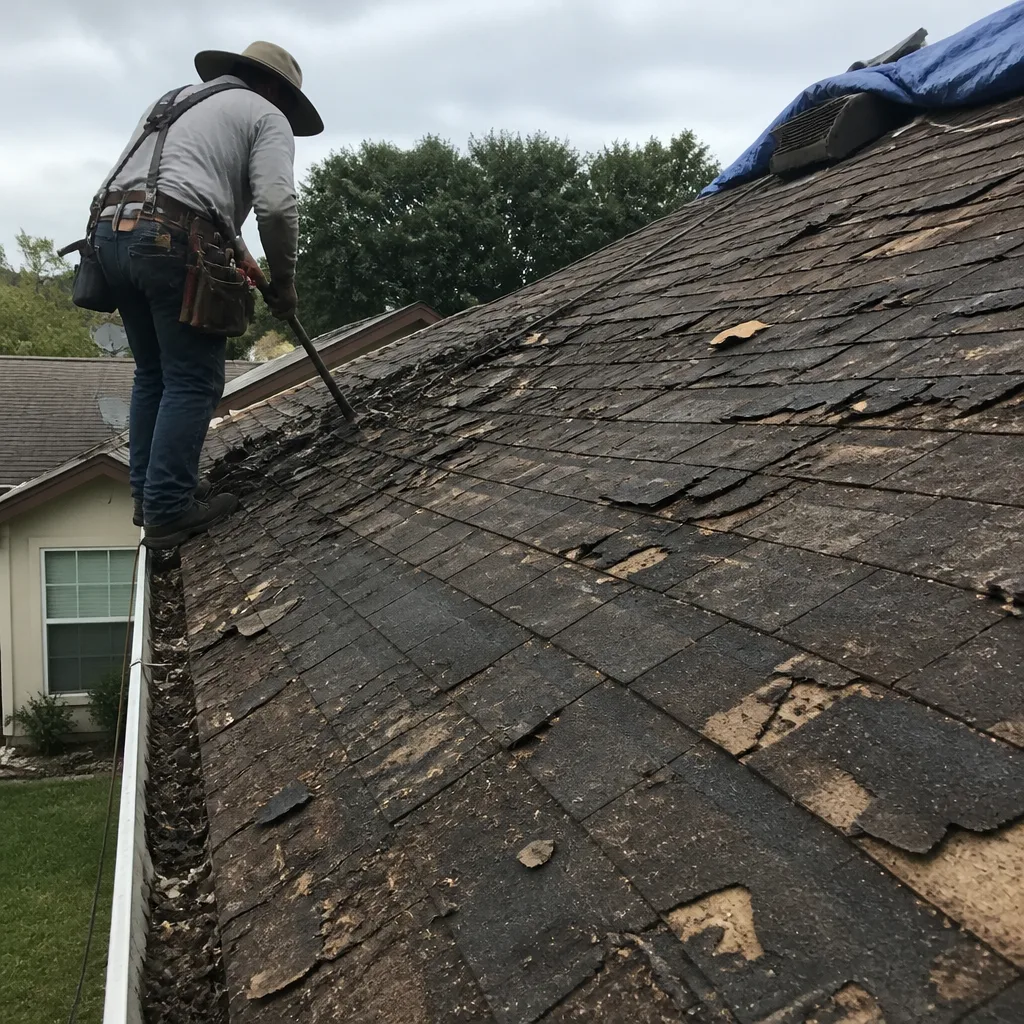 Before
 After
After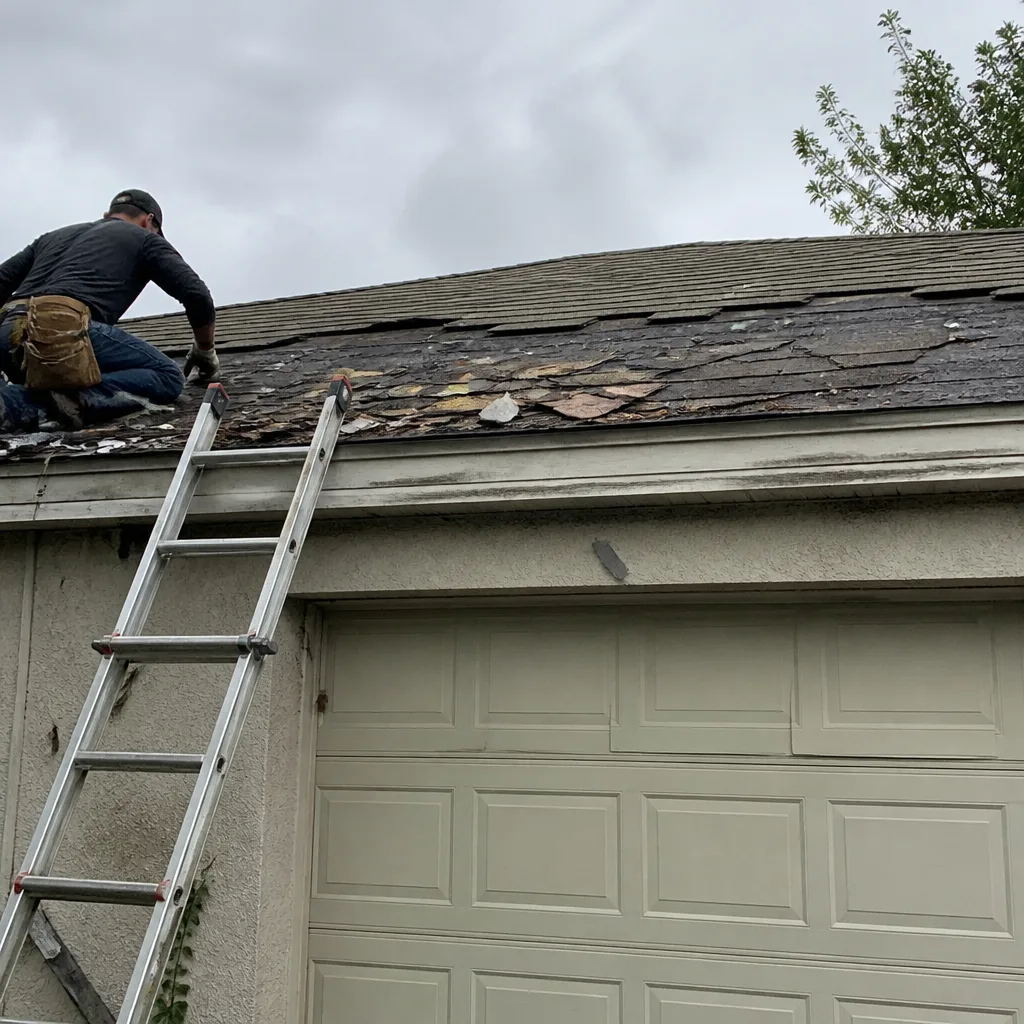 Before
 After
After