
Last updated October 17, 2026
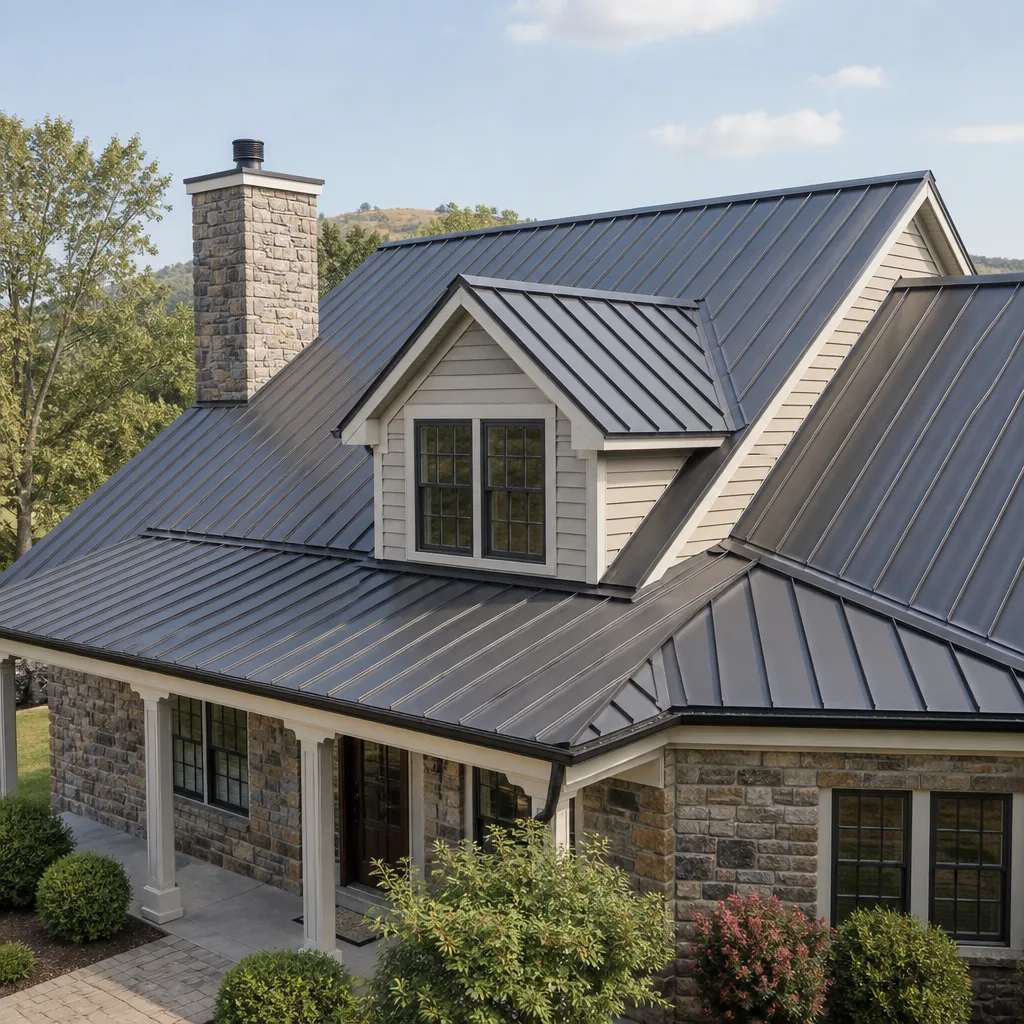 Metal roofing
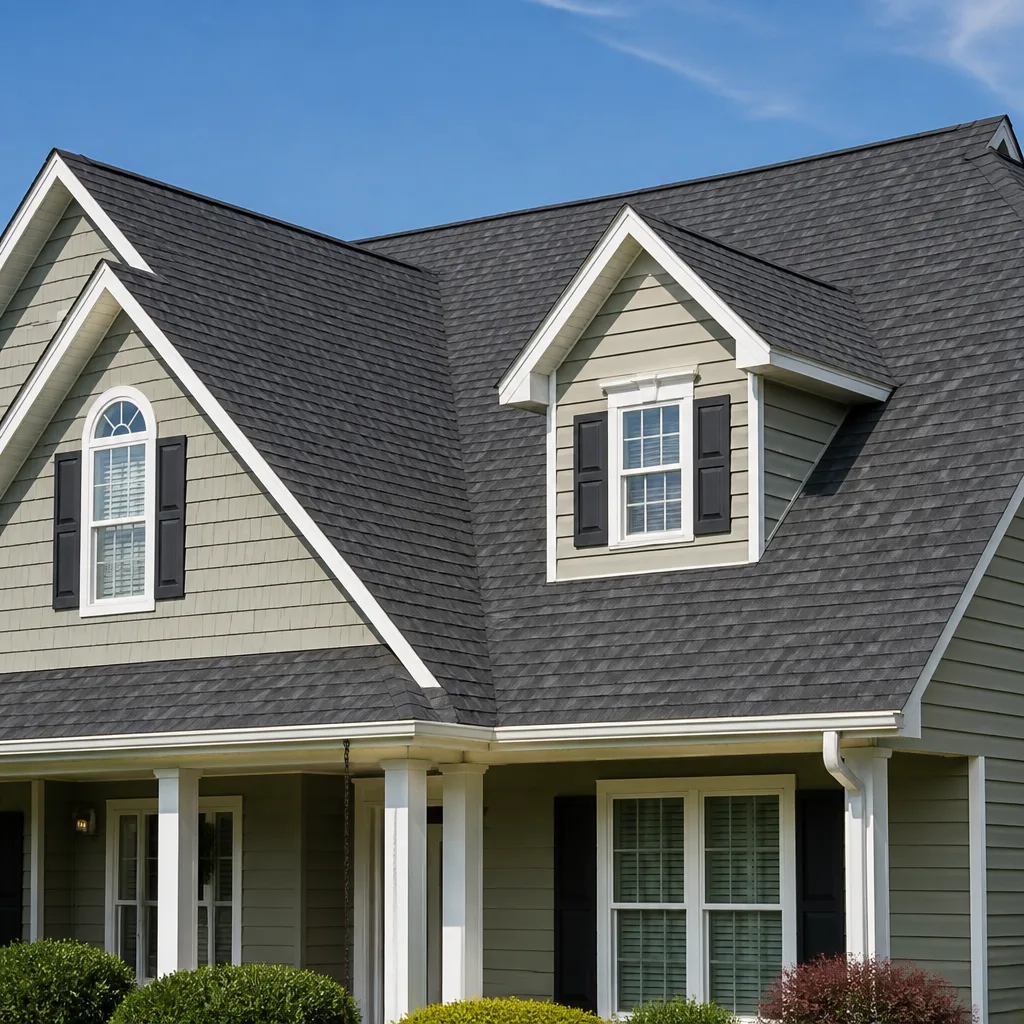 Architectural shingles
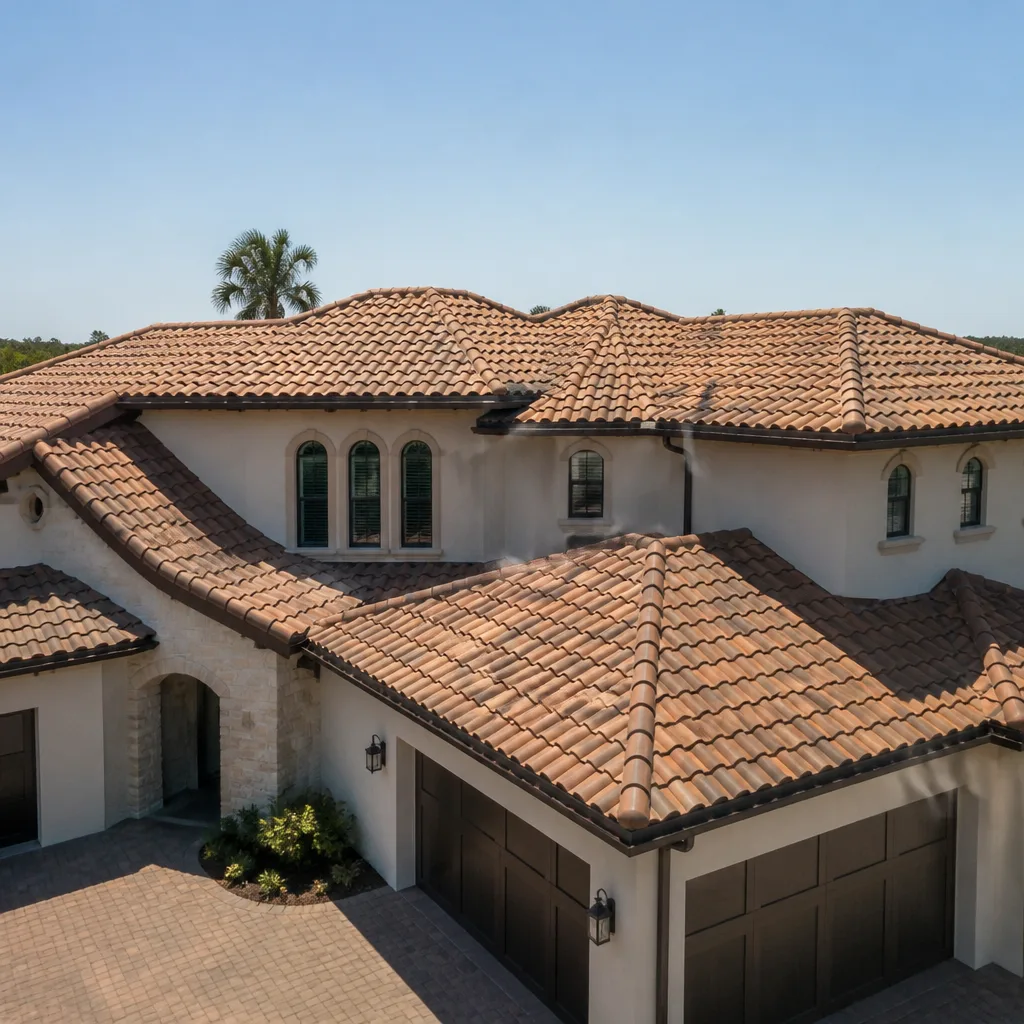 Tile roofing
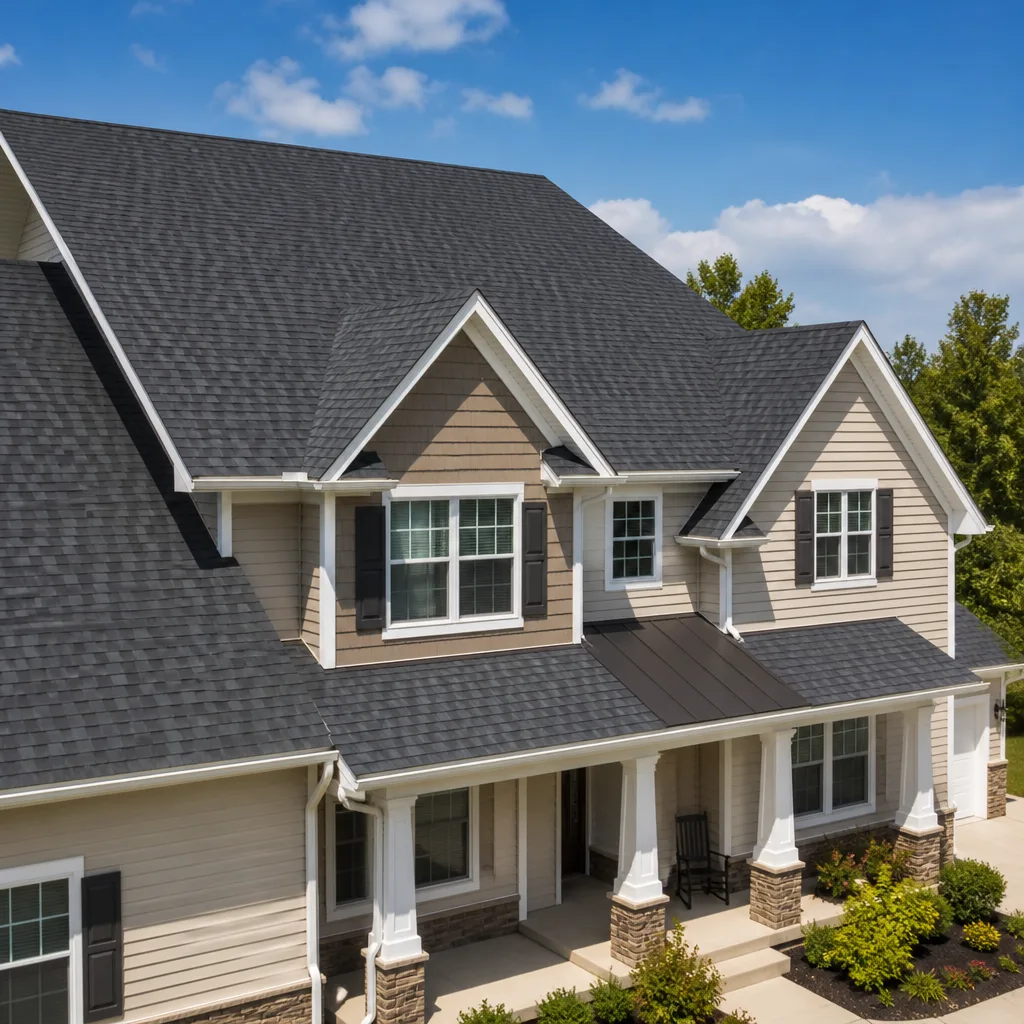 GAF
GAF Owens Corning
 Flat & low-slope
Free roof inspection with deck photos before we talk money - GAF and Owens Corning certified installation
Roofing Cost Breakdown: The Orlando Homeowner’s Reference for 2026
The average Orlando homeowner gets three roofing quotes and picks the middle one. But here’s what those three side-by-side numbers won’t tell you: two of those quotes likely omit permit fees, at least one is using a downgraded shingle grade to hit a lower number, and none of them separate labor from materials in a way that lets you actually compare them. This guide from Crestview Roofing Co Orlando walks you through every line item that should appear on a legitimate 2026 Orlando roof quote, what each one costs in this market, and how to spot a number that’s missing half the real job. For Roofing Permits, Codes & Inspections in FL: What You Need to Know, see our dedicated resource.
Styles & brands we work with
Quick Answer
A full roof replacement in Orlando in 2026 typically runs $8,500 – $18,000 for an average 1,800 – 2,400 square foot single-story home, with architectural asphalt shingles landing at roughly $4.50 – $6.50 per square foot installed. Repairs cluster between $350 and $1,200 depending on the issue, and a full permit-backed replacement takes 3 – 5 days once materials arrive. The single biggest price driver isn’t the shingle brand – it’s whether the quote includes permit fees, disposal, drip edge, underlayment upgrades, and labor at Orlando’s actual market rate.
Table of Contents
- Real 2026 Cost Per Square by Material: 3-Tab, Architectural, Metal, and Tile
- Labor vs. Materials: Where the Margin Actually Lives
- The Hidden Line Items Legit Contractors Include and Predictable Quotes Skip
- How Roof Pitch Multiplies Your Cost: The Steep Slope Surcharge Explained
- 25-Year vs. 30-Year Shingles: The Real Math Under Orlando’s UV Load
- Payment Schedules: What Legitimate Looks Like vs. a Front-Loaded One
- What Orlando’s Climate and Codes Add to the Bill
- Common Mistakes to Avoid
- When to Call a Professional
- Frequently Asked Questions
- The Bottom Line
Real 2026 Cost Per Square by Material: 3-Tab, Architectural, Metal, and Tile
When contractors talk about a “square,” they mean 100 square feet of roof surface, not the square footage of your home’s floor plan. A 2,000 square foot single-story home typically has 2,200 – 2,600 square feet of roof depending on overhangs and pitch, so you’re buying 22 – 26 squares, not 20.
Here’s the 2026 Orlando market reality, broken down by material type with material and labor separated so you can see where the money actually goes:
| Material Type | Materials (per square) | Labor (per square) | Total Installed (per square) | Typical Total (2,400 sq ft home) |
|---|---|---|---|---|
| 3-Tab Asphalt | $90 – $130 | $110 – $150 | $200 – $280 | $4,800 – $6,720 |
| Architectural Asphalt | $130 – $180 | $120 – $160 | $250 – $340 | $6,000 – $8,160 |
| Standing Seam Metal | $350 – $550 | $250 – $400 | $600 – $950 | $14,400 – $22,800 |
| Concrete Tile | $300 – $450 | $300 – $500 | $600 – $950 | $14,400 – $22,800 |
These ranges reflect what we’ve seen across Orlando neighborhoods from Conway to MetroWest to Avalon Park in the past eighteen months. Architectural asphalt is the default choice for roughly 85% of Orlando homes because it handles our wind-driven rain well, costs far less than metal or tile, and now comes in impact-rated options that many insurers accept. Manufacturers like Owens Corning, Atlas, and IKO all produce architectural lines that perform well under Florida conditions, though the warranty terms differ enough that you should read the fine print before choosing on price alone.
Three-tab is the budget option and it’s disappearing from reputable quotes. Why? It’s a thinner shingle with a shorter effective lifespan under Orlando’s sun, and the labor to install it costs nearly the same as architectural since the roofer still has to tear off, underlay, and nail the same number of squares. You save maybe $1,200 – $1,500 on a whole job and give up 10 – 15 years of service life. That math rarely works.
Labor vs. Materials: Where the Margin Actually Lives
If two quotes differ by $4,000 on the same size roof with the same shingle brand, the material cost isn’t the variable. Shingle prices from supply houses in Orlando are within a few dollars per bundle no matter which contractor is buying. The difference is almost always in labor, overhead, and what the contractor chose to include or leave out of the quote.
Here’s the typical split on a standard Orlando architectural shingle replacement:
- Tear-off and disposal: $55 – $85 per square. This includes removing old shingles, felt, and hauling it away. Contractors who skip a disposal line item are either burying the cost elsewhere or planning to leave the debris for you.
- Deck inspection and repair: $0 – $500+. Most quotes include inspecting the plywood deck beneath the old shingles. If rot is found – and in Orlando’s humidity, it often is near valleys and around penetrations – expect $85 – $120 per 4×8 sheet replaced. A quote that says “decking repairs extra, to be determined” isn’t wrong; a quote that says “new decking throughout, all included” on a home that doesn’t need it is padding.
- Underlayment: $25 – $45 per square for synthetic, $15 – $25 for felt. Florida code requires specific underlayment in some applications, and synthetic is standard now because it holds up better under our heat before the shingles go on.
- Shingle installation: $85 – $120 per square for standard architectural. This is the crew’s nailing labor, not the shingle cost itself.
- Flashing: $300 – $800 for a typical home. Flashing is the metal strips that seal the joints around chimneys, vents, skylights, and valleys. On many Orlando homes built in the 1990s and 2000s, original flashing is corroded past saving and should be replaced, not reused.
- Drip edge: $3 – $6 per linear foot installed. This is the metal L-shaped trim along the roof edge that directs water away from the fascia board. It’s code-required in Orange County on replacement roofs, but cheap quotes omit it because it’s invisible once the shingles are on.
A labor line that’s suspiciously low usually means the crew is being paid piece-rate in a way that encourages speed over attention to details like nail placement and valley weaving. You won’t see that on paper, but you’ll see it in the work. Our Roof Replacement in Orlando work follows a written scope of work that lists every one of these items separately, so you can compare our quote to another without doing forensic accounting.
The Hidden Line Items Legit Contractors Include and Predictable Quotes Skip
This is the section where quotes that look $2,000 apart actually become $4,000 apart once work begins. Every item here is a real cost. A contractor who includes all of them looks expensive on paper but is actually honest. A contractor who omits them looks cheaper but will either cut corners, ask for a change order mid-job, or leave you with a roof that falls short of code.
Here are the line items we include on every Orlando quote, and what they cost in 2026:
- Permit fees: $150 – $400 in Orange County and the City of Orlando depending on project valuation, plus the cost of the third-party inspection. Every legitimate replacement in Orlando requires a permit. If a quote doesn’t show a permit line and says “we can pull it later if needed,” walk away. The Florida Building Code applies to re-roofing, and an unpermitted roof will come back to haunt you at resale or when an insurer asks for documentation.
- Dumpster and disposal: $300 – $650. A full tear-off generates 8 – 15 tons of old shingles and felt. That’s multiple loaded trailers or a roll-off. Never free.
- Drip edge replacement: $200 – $400 for a typical home. Code requires it. Cheap quotes skip it and use your old, bent, rusted pieces.
- Ice-and-water shield on low-slope sections: $60 – $120 per square where installed. Despite the name, this self-sealing membrane isn’t about snow in Orlando. It’s required on any roof section with a pitch below 2:12, and it protects against the wind-driven rain we get in summer thunderstorms. If your home has a porch, carport, or any low-pitch section, this should appear on the quote.
- Valley metal or woven valleys: $200 – $500. Open metal valleys handle our heavy rain better than woven shingle valleys, but they cost more. Some contractors default to woven to save money. Ask which one your quote uses.
- Pipe boot and vent replacement: $15 – $45 each, and most homes have 4 – 8. The rubber boots around plumbing vent pipes bake and crack in Orlando’s sun within 8 – 12 years. Reusing old boots on a new roof is false economy.
If you’re looking at a quote and none of these appear, the number isn’t a bargain – it’s incomplete. That’s the core reason our written pricing always shows every line item before work starts. The number on the page is the number on the invoice. If you want to understand how we scope a repair differently from a replacement, see our Roof Repair in Orlando page.
How Roof Pitch Multiplies Your Cost: The Steep Slope Surcharge Explained
Roof pitch is expressed as rise over run: a 4:12 pitch means the roof rises 4 inches for every 12 inches of horizontal run. Most Central Florida homes built after 1980 sit between 4:12 and 6:12. Anything at or above 6:12 triggers what contractors call a “steep slope surcharge,” and it’s a real number, not a made-up excuse.
Here’s what pitch does to your quote in real terms:
- Under 4:12: Standard labor rate, but you need ice-and-water shield across the entire surface under Florida code, not just on low-slope sections. This adds $60 – $100 per square in material cost.
- 4:12 to 6:12: No surcharge. This is the sweet spot and covers most Orlando ranch and two-story homes.
- 6:12 to 8:12: Typical surcharge is 10 – 15% on labor only. The crew works slower, needs more safety equipment, and staging materials takes more time.
- Over 8:12: Surcharge runs 20 – 40% on labor, and some crews won’t bid it at all because the fall risk and the heat combine to make it genuinely dangerous work. A two-story home with a steep pitch in Dr. Phillips or Windermere can hit the high end of this range quickly.
Steep slope work is one area where opting for the cheapest quote can mean hiring a crew that cuts corners on safety. Falls from roofs are the leading cause of contractor fatalities in Florida, and a crew rushing a steep pitch in July heat is taking risks you don’t see from the ground. The cost difference between a crew that stages properly and one that doesn’t shows up in the surcharge line. Don’t negotiate it away.
25-Year vs. 30-Year Shingles: The Real Math Under Orlando’s UV Load
The 25-year vs. 30-year question seems like a five-year difference on paper. Under Orlando’s sun, it’s more like a seven-to-nine year difference in service life, and the math on upgrading is better than most homeowners assume.
Architectural shingles branded as “25-year” and “30-year” (sometimes “lifetime” on the high end from manufacturers like Owens Corning, Atlas, and Tamko) differ in two ways: the weight of the mat and the thickness of the asphalt and granule layer. That extra thickness isn’t just about years on a warranty label – it’s about how long the shingle holds its granule surface under UV exposure. Orlando receives about 2,800 hours of intense sun annually, and granule loss is the first sign of aging shingles in this market.
Here’s the comparison over a realistic lifespan on a 2,200 square foot roof:
- 25-year architectural: Installed cost around $5,500 – $7,500 in Orlando. Expected service life under our UV load: 17 – 22 years before granule loss and brittleness become a problem. Cost per year of service: roughly $275 – $340.
- 30-year / lifetime architectural: Installed cost around $6,800 – $9,000. Expected service life under our UV load: 24 – 30 years. Cost per year of service: roughly $245 – $300.
Yes, the 30-year is cheaper per year of service, but the more valuable calculation comes at resale and insurance renewal. Florida insurers increasingly ask about the roof’s age and remaining service life on the front end of a policy. A 30-year shingle installed today keeps your roof over the “insurable age” threshold for longer, and in Orlando’s market that can mean the difference between a smooth renewal and a non-renewal letter.
In our experience, the homeowners who upgrade to the 30-year class rarely regret it. The upgrade typically adds $1,300 – $1,800 to a job, and it buys you the equivalent of a free extra decade of coverage when measured against replacement timing. If you plan to stay in the home more than five years, take the upgrade.
Payment Schedules: What Legitimate Looks Like vs. a Front-Loaded One
A payment schedule tells you more about a contractor than their estimate does. The schedule reveals how much cash the company needs upfront to fund the job, and whether they’re incentivized to finish.
Here’s what a legitimate milestone-based schedule looks like for a full replacement in Orlando:
- Deposit at contract signing: 10 – 25% of the total. This covers the cost of pulling the permit and ordering materials. Never pay 50% upfront on a roof replacement. There is no reason a licensed contractor needs half the job’s value before a single shingle is delivered.
- Material delivery payment: 30 – 40% when materials arrive at your home. You can see the shingles, underlayment, and flashing sitting in your driveway. Paying at delivery is fair because the contractor has now committed inventory to your job.
- Mid-job or inspection payment: 20 – 30% after the deck inspection passes (the in-progress permit inspection where the inspector confirms the deck and underlayment before shingles go on). This ties a payment to a milestone you can verify through the permitting authority.
- Final payment: the remaining balance only after the final inspection passes, the permit is closed, and you have the lien waiver in hand. Never pay in full before the final inspection; it’s your only leverage if something was installed incorrectly.
Anything that asks for more than 30% before materials arrive is front-loaded and should make you pause. In the worst cases we’ve seen in the Orlando market, contractors take a 40 – 50% deposit, string the job along for weeks, and then vanish – leaving the homeowner with a torn-off roof and no leverage. This is precisely why we structure our payment schedule around permit inspection milestones and put every number in writing before work begins.
What Orlando’s Climate and Codes Add to the Bill
Orlando sits in a 140 mph wind zone in most areas under the current Florida Building Code, which means your roof has to meet higher uplift and attachment standards than a roof in, say, Atlanta or Columbus. That’s not a contractor markup; it’s a materials and fastening standard.
Here’s what Orlando specifically requires or contends with:
- Wind mitigation attachment: Florida Building Code requires six-nail shingle attachments (or manufacturer-specified equivalent) and specific nailing patterns to meet uplift resistance. This costs more in nails and labor, and it’s why Florida re-roofs take slightly longer than similar jobs in other states.
- Secondary water barrier: On homes without a sealed roof deck, code requires one of several secondary water barrier options such as fully adhering underlayment or sealing all deck seams before the primary underlayment goes down.
- Summer afternoon thunderstorms: Orlando gets 50+ inches of rain annually, much of it in short, violent downpours between June and September. That means water has to route off the roof quickly. Proper drip edge, clean valleys, and correctly flashed penetrations aren’t optional here.
- Humidity and deck rot: The same humidity that makes Orlando summers uncomfortable accelerates wood decay on a roof deck if the old roof has been leaking slowly. Homes in older neighborhoods like College Park, Colonialtown, and Delaney Park often need 5 – 10 sheets of decking replaced during a re-roof. Budget $500 – $1,200 for that contingency.
These aren’t hidden fees a contractor dreamed up. They’re the cost of a roof that will hold up to a Cat 1 hurricane and a decade of afternoon storms. When a quote comes in suspiciously low, ask them how they’re meeting the secondary water barrier requirement and what their nailing pattern is. The longest pause tells you everything.
Common Mistakes to Avoid
- Comparing quotes by total price alone: A $9,000 quote and a $12,000 quote for the same home aren’t necessarily for the same roof. If one includes permit fees, drip edge replacement, ice-and-water shield, and a new deck inspection while the other doesn’t, the cheaper one isn’t cheaper – it’s incomplete. Always compare line items, not totals.
- Signing a quote that says “decking replacement extra, TBD”: This is the most common change-order trap in Orlando. A roofer who “discovers” rot after tear-off and then charges $150 a sheet for plywood they’re buying at $40 is a roofer who priced the job to get signed and plans to make margin on the back end. Get a per-sheet rate in writing before you sign.
- Reusing old flashing to save a few hundred dollars: On a 20-year-old Orlando roof, the flashing around chimneys and vents has been exposed to the same sun that killed your shingles. Reusing it means the new roof will leak at the penetrations within years. Replace flashing on every re-roof.
- Paying a large deposit before materials arrive: If a contractor needs 40 – 50% upfront to “secure the crew,” they’re using your money to fund someone else’s job. Legitimate Orlando roofers order materials on their own credit and only need a small deposit to pull the permit.
- Choosing a crew based on Facebook Marketplace pricing: Orlando has a robust market of unlicensed, cash-only roof crews that undercut every licensed contractor. They don’t pull permits, don’t carry workers’ comp, and won’t be answering the phone when a nail pops through the ceiling next July. The savings evaporate the first time you need a repair.
- Waiting until the roof is actively leaking to budget for replacement: The moment water enters your home, the cost jumps by the price of drywall repair, paint, insulation replacement, and possible mold remediation. A $12,000 re-roof becomes a $16,000 job with one week of a slow leak.
- Ignoring the wind mitigation discount: Many Orlando homeowners get a significant annual insurance premium discount for a roof that meets current wind mitigation standards, but only if the insurer receives the completed wind mitigation report. Ask your roofer to provide the documentation your insurer needs, and send it in promptly.
When to Call a Professional
A roof is the one system on your home where a small mistake compounds silently. A missed nail in the wrong place, a badly seated shingle, or flashing that isn’t lapped correctly can hold water for months before you see the first stain on your ceiling. If you notice granule loss in your gutters, shingles curling at the edges, or dark streaks that could be algae or could be something worse, get an inspection. Our Roofing Warning Signs: A Orlando Homeowner’s Reference Guide covers what to watch for. If your roof is 15 years old or older in Orlando and you’re planning to sell within five years, get an inspection before you list, not after a buyer’s inspector flags it.
Crestview Roofing Co Orlando offers free estimates in Orlando – call (448) 218-0800 and we’ll walk the roof with you, show you photos of what we find, and put a written price in your hand before any work starts. No pressure, no four-hour windows, no number that changes when the crew shows up.
Frequently Asked Questions
A full replacement in Orlando in 2026 typically costs $8,500 – $18,000 depending on the home’s size, roof pitch, material choice, and whether any decking needs replacement. A standard 2,200 square foot single-story with architectural asphalt shingles lands in the $9,500 – $12,500 range. Call (448) 218-0800 for an exact written quote – the estimate is free.
Three-tab asphalt is the cheapest material at roughly $200 – $280 per square installed, but it offers the worst value under Orlando’s sun because it typically lasts only 15 – 20 years in this climate before granule loss and brittleness set in. Architectural asphalt costs about 20 – 30% more upfront but lasts significantly longer, making it the cheaper option per year of service.
Yes. The City of Orlando and Orange County both require permits for roof replacement, and the work must pass inspections at the deck stage and again at final completion. An unpermitted roof can create problems with insurance claims and home resale. A legitimate quote will always include the permit line item, typically $150 – $400.
A standard tear-off and replacement on an average Orlando home takes 3 – 5 working days once materials are delivered, with the permit inspections scheduled on the day the deck is exposed and again after the final shingle is nailed. Weather can stretch this – afternoon thunderstorms between June and September regularly pause work for hours at a time.
It shouldn’t, and if it does, that’s a red flag. The only legitimate reason for a price change mid-job is unexpected deck rot, and that’s why a per-sheet replacement rate should be agreed to in writing before work begins. At Crestview Roofing Co Orlando, the written price we give you before work starts is the number on the invoice, with no change orders unless you specifically approve one in advance.
A targeted repair in Orlando typically runs $350 – $1,200, while a full replacement on the same home runs $8,500 – $18,000. The decision comes down to roof age, the extent of damage, and whether multiple previous repairs have created weak points. If your roof is past 15 years old and you’re facing a repair bill north of $2,000, a replacement is usually the smarter long-term move. Our Roof Installation in Orlando team can help you decide which path makes sense.
The Bottom Line
Orlando roofing quotes aren’t random, but they can look that way when you’re comparing a complete quote against an incomplete one. The difference between a $9,000 quote and a $13,000 quote for the same house usually isn’t greed; it’s whether the contractor included the permit, the disposal, the drip edge, the ice-and-water shield, and a realistic deck repair contingency. Once you can read a quote line by line, the decision gets easier. Get at least three written quotes, compare them on equal footing using this guide, and choose the one that’s honest about what a roof costs in this city. That’s how Crestview Roofing Co Orlando home has been serving Orlando since 2000 – with written prices before work starts, photo documentation of the job, and a live trackable arrival time so you’re never guessing.
Written by Dylan Pace, Owner at Crestview Roofing Co Orlando, serving Orlando since 2000. Browse more guides & resources on our blog.
See the difference
 Before
 After
After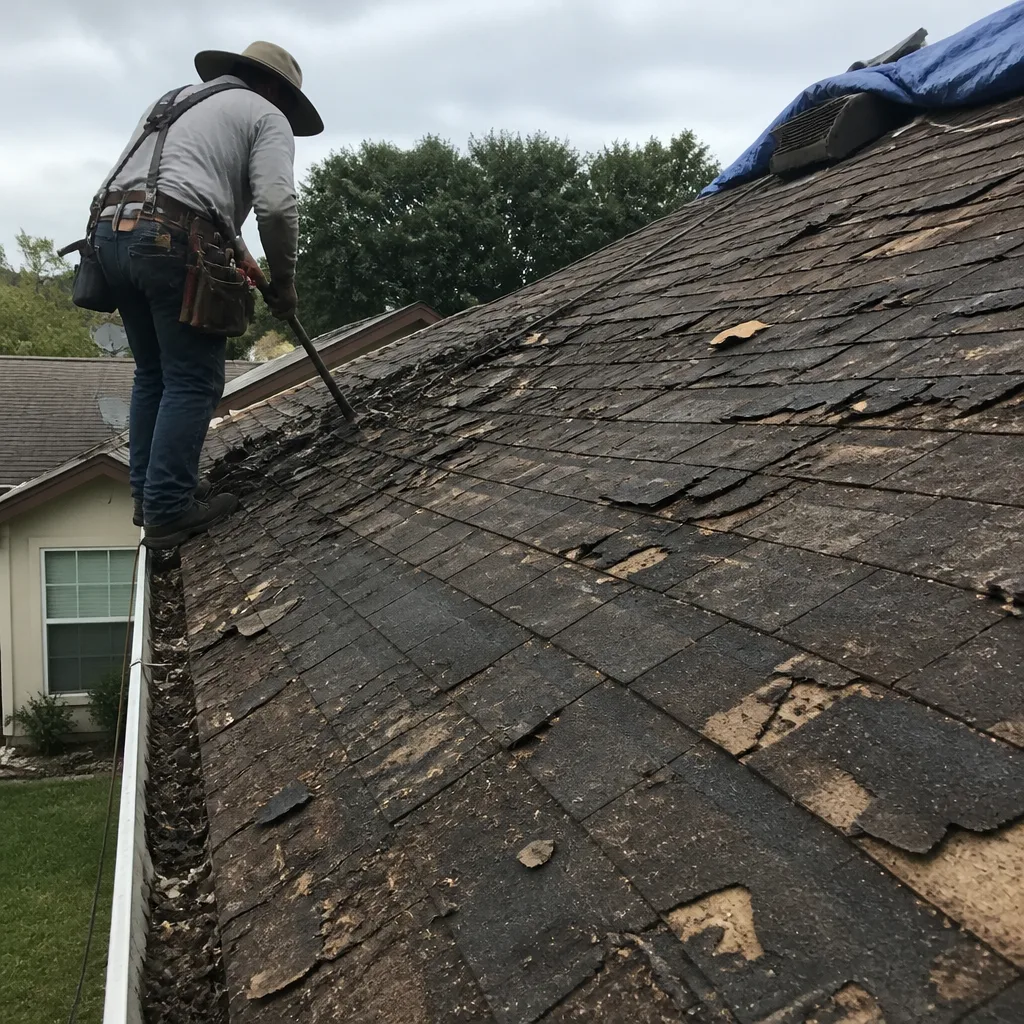 Before
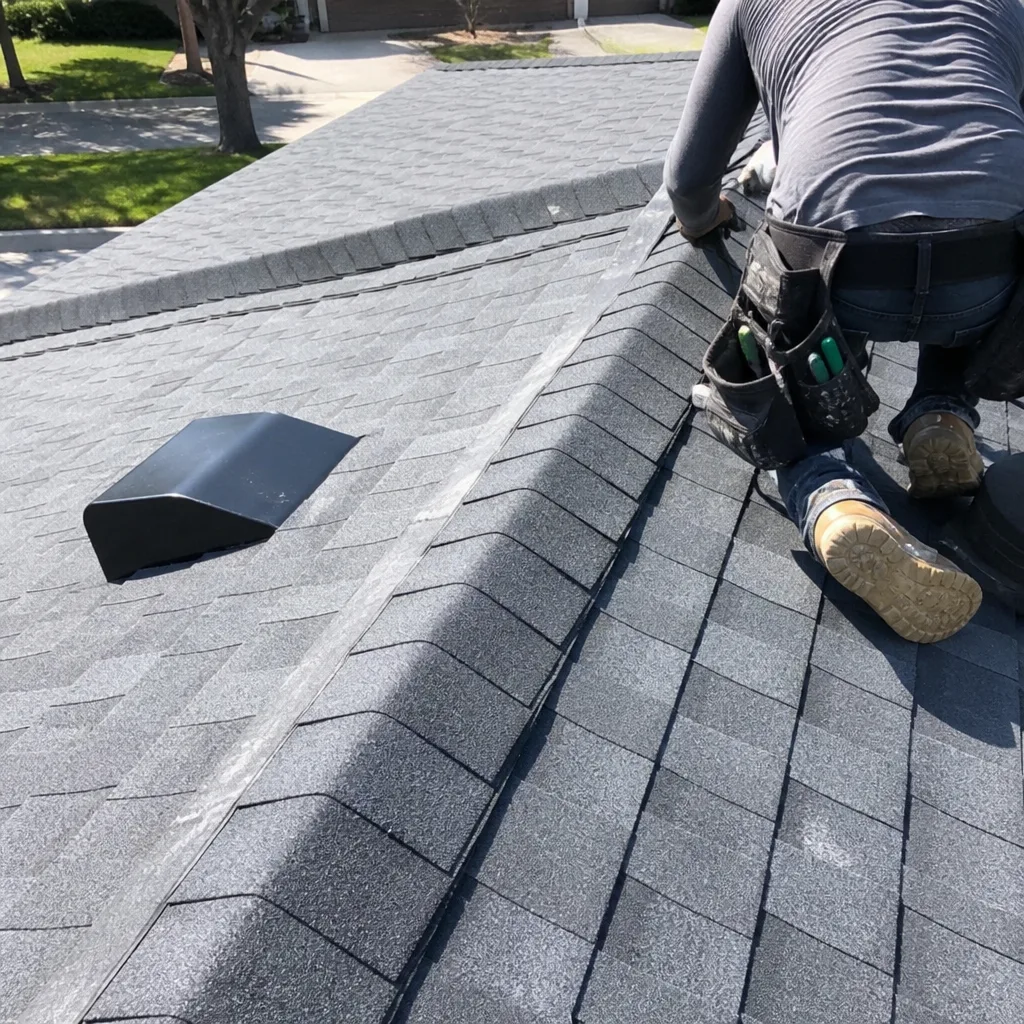 After
After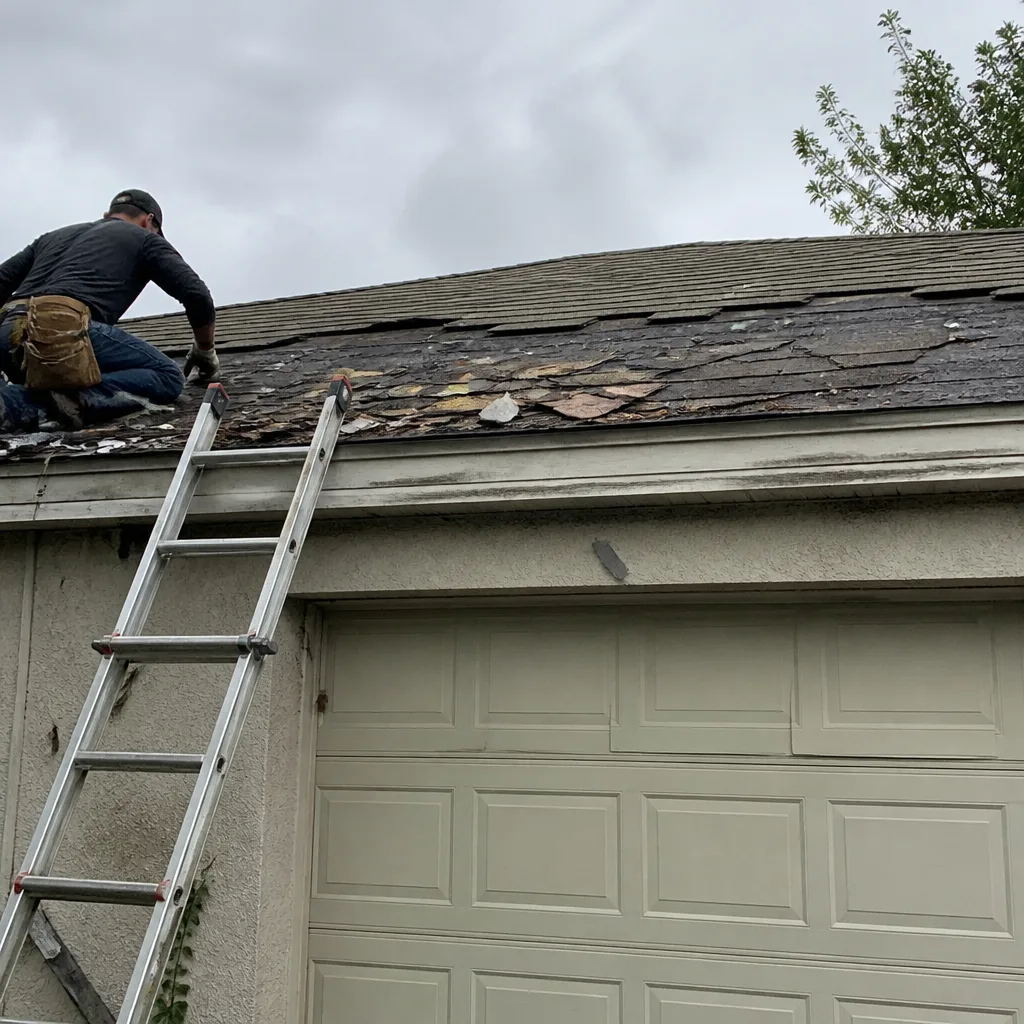 Before
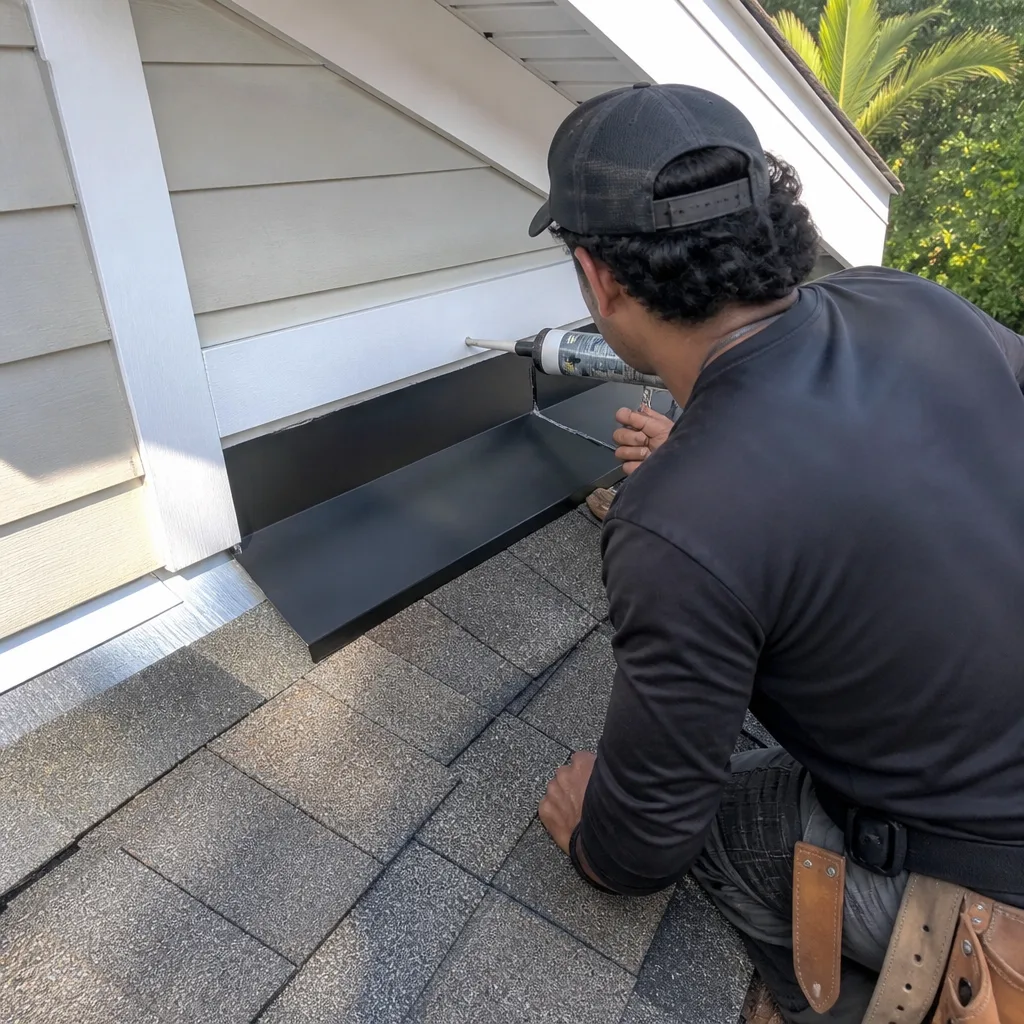 After
After