
Last updated October 17, 2026
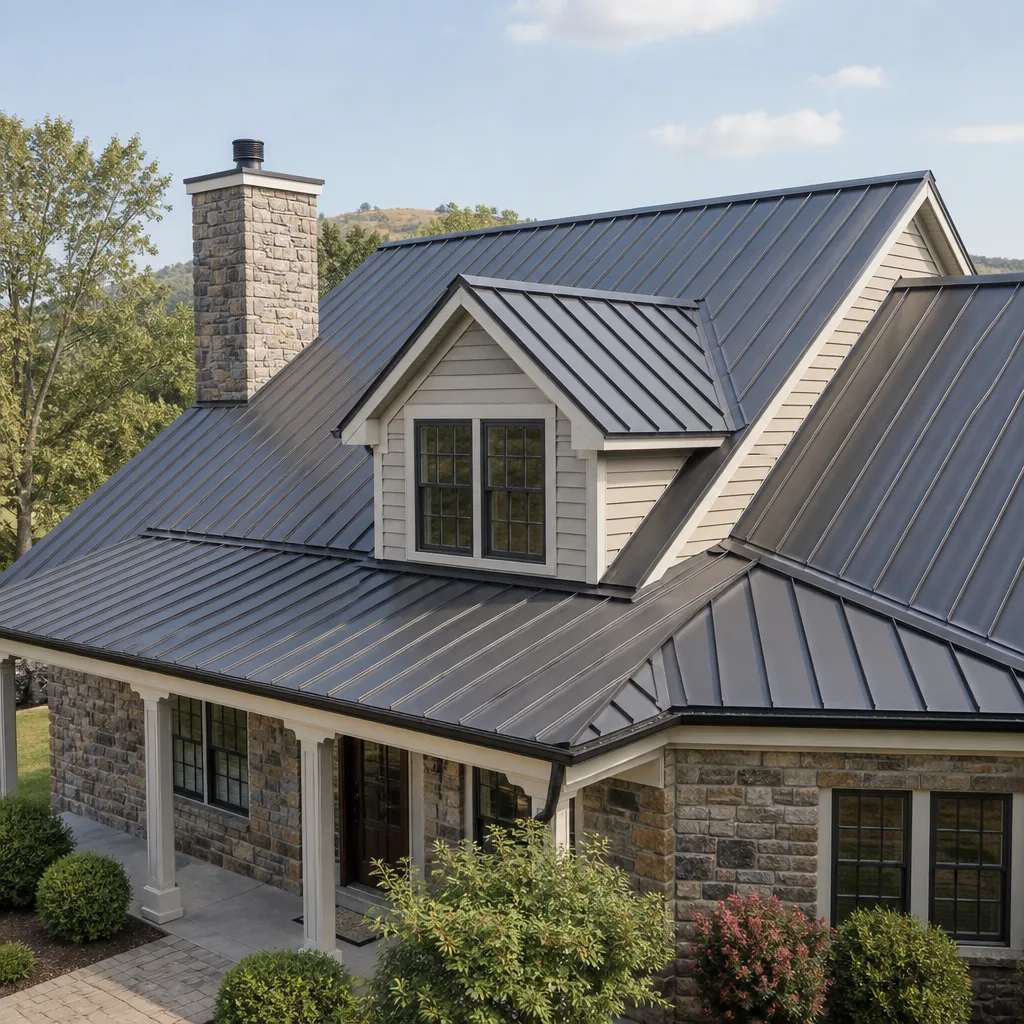 Metal roofing
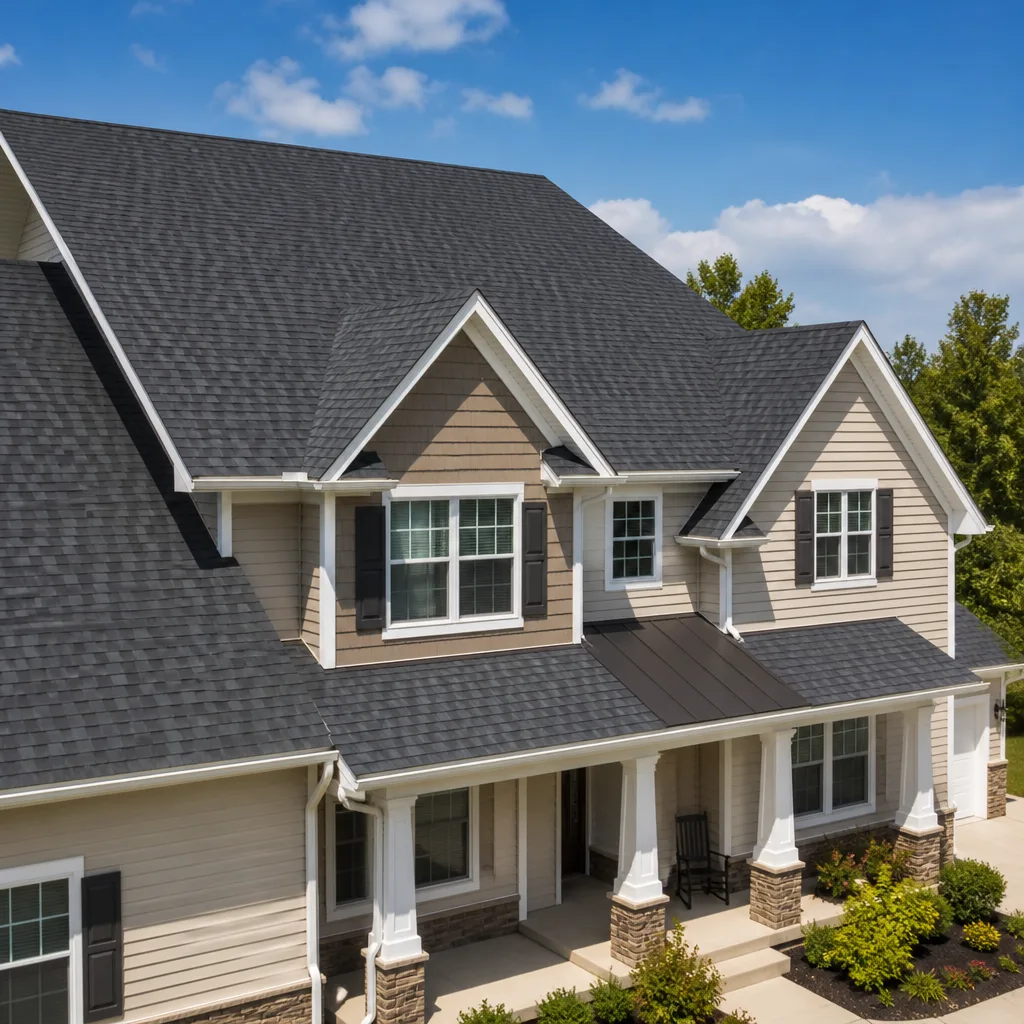
 Architectural shingles
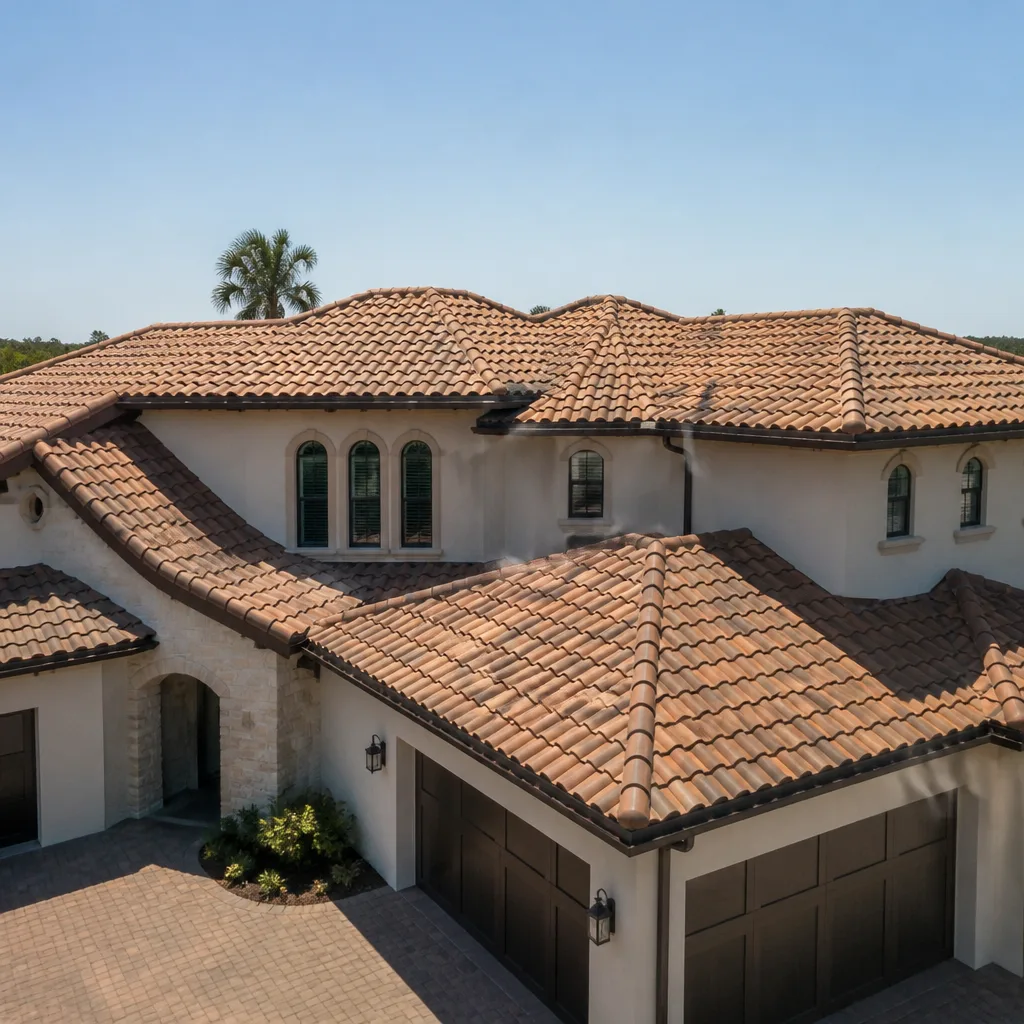 Tile roofing
 GAF
GAF Owens Corning
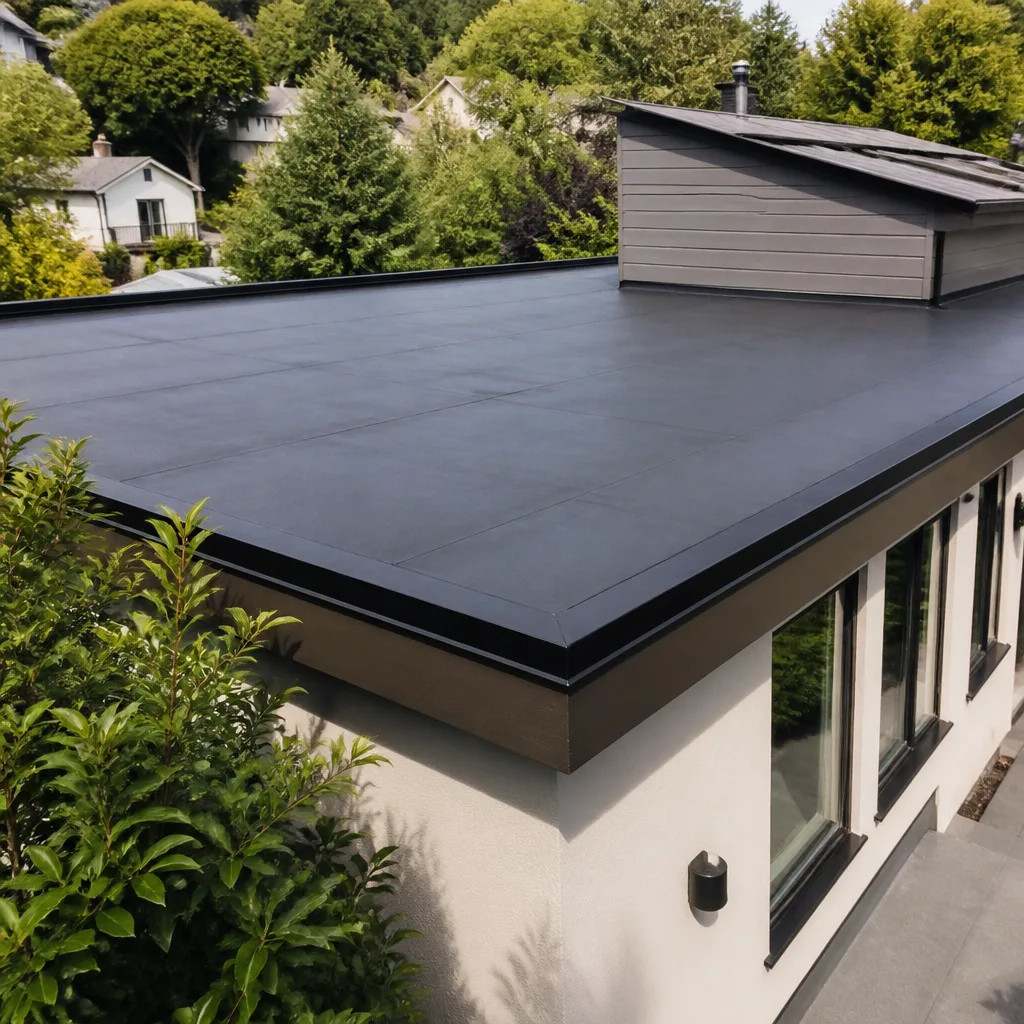 Flat & low-slope
Free roof inspection with deck photos before we talk money - GAF and Owens Corning certified installation
Seasonal Roofing Care for Orlando: Year-Round Homeowner’s Guide
November in Orlando finally cools off enough to open the windows, and that first dry breeze tricks a lot of homeowners into thinking their roof has had an easy year. It hasn’t. Your roof just survived seven months of daily UV radiation intense enough to crack a dashboard, somewhere north of 60 inches of rain, and the back half of hurricane season. The window between November and January is the single highest-value maintenance period on the Orlando roofing calendar, and most people spend it raking live oak leaves into a pile while their flashing quietly fails. This guide maps every roofing task to Orlando’s actual climate calendar so you can time your maintenance for the lowest cost and the longest shingle life, or explore more guides & resources on Orlando roofing.
Styles & brands we work with
Quick Answer
Orlando doesn’t have four roofing seasons. It has two aggressive stress periods – the wet season from June through October and the UV-heavy dry season from March through May – with two short transition windows in between. The homeowners who spend the least on roof repairs in Orlando are the ones who do their inspections and maintenance in January through March and again in November, before each stress period begins, as detailed in The Complete Guide to Roofing in Orlando.
Table of Contents
- The Real Orlando Roofing Calendar: Two Seasons, Not Four
- November Through January: The Maintenance Window Most Homeowners Waste
- January Through March: The Smart Time to Schedule Repairs and Replacements in Orlando
- Attic Ventilation Before Summer: Why 160°F Attic Temperatures Decide How Long Your Shingles Live
- Algae and Moss on Central Florida Roofs: When to Treat and When It’s Already Too Late
- Storm Season Readiness in Orlando: What Actually Protects a Roof
- Common Mistakes to Avoid
- When to Call a Professional
- Frequently Asked Questions
- The Bottom Line
The Real Orlando Roofing Calendar: Two Seasons, Not Four
National roofing guides tell you to clean your gutters in spring and check your flashing in fall. That advice assumes a climate with winter snow and a mild summer. Orlando, Florida doesn’t work that way, and following the generic calendar means doing your most important maintenance exactly when it’s least effective or most unpleasant. Here’s the actual seasonal structure Orlando roofs live through:
- Late May through October: The Wet Season. Daily afternoon thunderstorms, tropical systems, humidity that never drops below 80%. This is when leaks reveal themselves, but it’s also the worst time to schedule non-emergency work because every roofer in Orlando is handling storm claims and emergency calls. Shingles don’t seal properly in constant moisture either, so any repair done mid-July is working against the weather.
- November through early March: The Dry Season. Low humidity, clear skies, daytime temperatures in the 70s and 80s. Shingles lay flat and seal correctly. Adhesives cure. Sealants bond. This is when roofing work in Orlando gets done right the first time.
- March through May: The UV Ramp-Up. The dry season continues, but the sun angle climbs and daily UV indexes hit extreme levels by April. Attic temperatures routinely exceed 150°F. This is the period that ages shingles faster than any storm.
- Late August through late October: Peak Hurricane Window. The statistical heart of Central Florida’s tropical weather. Roofs don’t get a warning before a branch comes through the decking in a September squall.
The takeaway: your roof in Orlando doesn’t wear out evenly. It takes concentrated stress in bursts, and your maintenance schedule should match those bursts, not a calendar written for Ohio.
November Through January: The Maintenance Window Most Homeowners Waste
This is the period right after peak hurricane season ends and right before the dry-season window opens for contractors. In our experience across Orlando, it’s the best time of year for a thorough roof inspection because you can finally see the damage that accumulated all summer without the glare and afternoon downpours. Here’s what to do in this window, in order:
- Schedule a full inspection in November. Not a drive-by. A boots-on-the-roof inspection that documents every lifted shingle, every cracked pipe boot, and every failed seal around a vent. After a wet Orlando summer, the failure points are visible to someone who knows what they’re looking at.
- Get documentation. Photos of every area of concern. These photos are your baseline for the next wet season and your proof if a storm later causes damage that your insurance company wants to attribute to age. A roofer who documents before-and-after as standard practice gives you a file you can actually use in a claim.
- Clean the valleys and gutters in late December. Live oak leaves in Orlando don’t all drop at once. They trickle down from November through February, and a gutter full of wet oak leaves is a standing water reservoir held against your fascia and soffit for weeks. Clean them once in December and again in February.
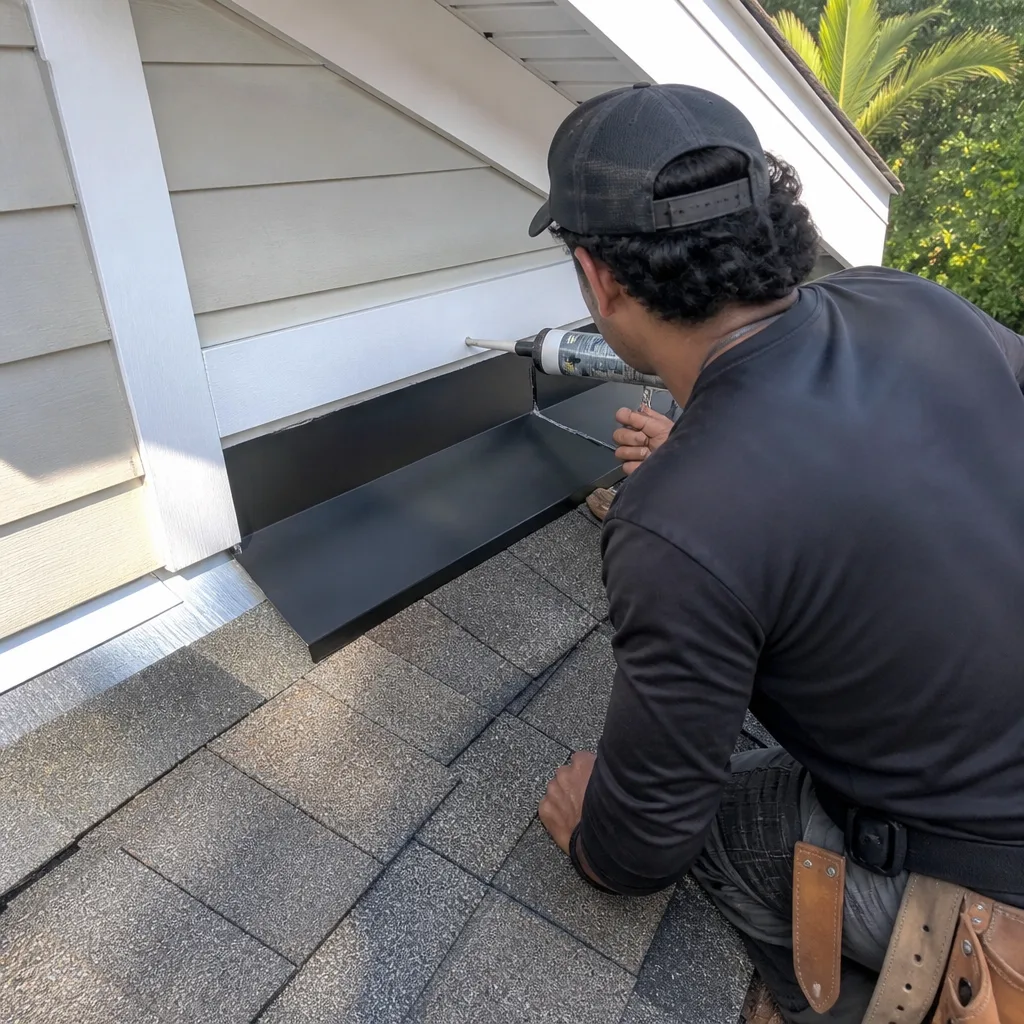
- Check flashing around anything that penetrates the roof. Flashing is the metal strips that seal joints around chimneys, vents, and skylights. In Orlando, the repeated thermal expansion from 90°F afternoons to 50°F January nights pulls flashing loose at the sealant point. November is when you catch that separation before it becomes a February rain leak.
Most Orlando homeowners skip this window entirely because November feels comfortable and the roof “looks fine from the street.” Then March arrives, the afternoon thunderstorms start early, and the leak that would have cost $280 to repair in December is now a $1,400 decking replacement in April.
January Through March: The Smart Time to Schedule Repairs and Replacements in Orlando
If your roof needs real work – a full replacement, a multi-square repair, or anything that requires a permit – the January through March window in Orlando is when you want it done, and here’s why it matters more than most homeowners realize:
Permits move faster. Orlando’s building department processes roofing permits year-round, but the volume surges in May and June when every homeowner in Orange County simultaneously notices their roof failed over the winter. Filing in January or February means your permit is reviewed in days, not weeks. A roof replacement in Orlando that takes ten days total in February can stretch to four or five weeks in June for the exact same scope of work.
Contractor schedules are open. Roofing crews in Orlando book out solid from mid-April through October. In January, the best crews have availability and you’re not choosing between whoever picks up the phone and whoever can squeeze you in before the next storm, which is why How to Hire a Roofing Contractor in Orlando: A Step-by-Step Guide recommends starting your search early.
Material prices trend lower. Shingle manufacturers implement price increases in the spring as the national roofing season kicks off. Buying a roof in Orlando in February means paying last year’s material pricing. On a full replacement, that’s often several hundred dollars in savings on roofing squares alone. Materials from manufacturers like GAF, Owens Corning, CertainTeed, Atlas, IKO, and Tamko all fall under these wholesale pricing cycles.
The work actually goes in correctly. Shingles seal using heat-sensitive adhesive strips. In January and February, Orlando’s daytime temperatures in the 70s and low 80s are warm enough for proper sealing without being hot enough to make the shingles too soft to work with. In July, shingles get so hot they’re easy to scuff and tear during installation. The same crew doing the same job in February and July will often produce noticeably different workmanship quality, and it’s the February version you want.
If you know your roof is over 15 years old, start getting replacement estimates in January. You’ll have your pick of scheduling dates, your permit will clear while other homeowners are still thinking about it, and the work will be done and sealed correctly before the first May afternoon thunderstorm tests it.
Attic Ventilation Before Summer: Why 160°F Attic Temperatures Decide How Long Your Shingles Live
This is the section every other Orlando roofing guide skips, and it’s the one that saves you the most money over time. Your shingles are designed to reflect a certain amount of heat, but they can’t do their job if the attic below them is an oven. In April and May, attic temperatures in Orlando regularly hit 150°F to 160°F. That heat doesn’t stay in the attic. It bakes the shingles from below, degrading the asphalt compounds faster than UV exposure from above.
The fix is balanced ventilation, and in Orlando’s climate it works like this:
- Intake ventilation comes through your soffit vents, the slotted openings under the eaves. They let outside air in at the lowest point of the roof.
- Exhaust ventilation happens at the ridge or through roof vents near the peak. Hot air rises and exits through these openings.
- The balance matters. If you have plenty of ridge vent but your soffits are clogged with blown-in insulation, painted over, or simply undersized, your attic becomes a low-pressure zone that pulls conditioned air out of your living space while still trapping heat near the roof deck. That means higher AC bills and hotter shingles.
Here’s the step-by-step check you can do yourself in March, before the heat hits:
- Go into your attic on a cool morning and look toward the eaves. Can you see daylight through the soffit area? If not, your intake ventilation is blocked. This is extremely common in Orlando homes built in the 1980s and 1990s, where soffit vents were installed but later covered by insulation during energy-efficiency retrofits.
- Check that your ridge vent isn’t blocked by bird nests, dead palm fronds, or damaged vent material. A single blocked section reduces airflow across the entire roof plane.
- Feel the temperature differential. On a 75°F day, your attic should be warm but not oppressive. If it’s already 110°F up there in March, your ventilation system is failing and August will be brutal on your shingles.
- Get a professional ventilation assessment if you suspect imbalance. This is a measurement job. Properly installed intake and exhaust ventilation can extend shingle life in Orlando by five to eight years compared to a sealed-up attic, and it’s one of the highest-ROI improvements you can make to an existing roof.
We’ve torn off 18-year-old roofs in Orlando that looked 30 years old, and we’ve torn off 25-year-old roofs with oxidation ratings that suggested half that age. The consistent variable was attic ventilation. It’s not the headline topic in roofing, but it’s the one that determines whether your “25-year shingle” lasts 15 years or actually gets close to its rating.
Algae and Moss on Central Florida Roofs: When to Treat and When It’s Already Too Late
Those black streaks running down Orlando roofs aren’t dirt, and they aren’t just a cosmetic issue. They’re Gloeocapsa magma, a cyanobacteria that feeds on the limestone filler in asphalt shingles. Central Florida’s humidity and warm temperatures create the perfect breeding environment for this organism, and it spreads faster here than almost anywhere else in the country.
Here’s the timeline you need to understand:
- Year 1 to 3: The algae appears as light gray or faint black streaks on north-facing and shaded roof slopes. At this stage, it’s primarily cosmetic. A professional cleaning with the right chemical treatment stops the growth and restores the roof’s appearance. This is the treatment window where you get your money back in curb appeal and prevent long-term shingle damage.
- Year 4 to 7: The algae has spread across most of the roof and is now visible from the street. The shaded sections are heavily colonized. At this point, the algae’s constant moisture retention has begun to accelerate granular loss from the shingle surface. Treatment is still worthwhile, but the shingles have already lost measurable UV protection from granule erosion.
- Year 8 and beyond: Moss has moved in. Moss is different from algae – it has actual root-like structures that work their way under the shingle edges, lifting them and allowing water to wick up underneath. In Orlando’s wet season, moss holds water against the shingle surface for days after a rain. At this stage, the roof’s structure is compromised and cleaning alone won’t fix it. You’re looking at repairs or replacement.
The homeowner move is to treat algae in the early stage, before moss establishes itself. On an 8-to-10-year-old Orlando roof with algae starting to show, an annual or biennial treatment costs a fraction of what early replacement costs. And a quick note on methods: never let anyone pressure-wash shingles. The proper algae treatment uses a chemical application followed by a low-pressure rinse. High pressure blasts the granules off the shingle surface and takes years of life off the roof in a single afternoon.
Storm Season Readiness in Orlando: What Actually Protects a Roof
Most Orlando homeowners think storm season readiness means trimming branches and clearing the yard. Those things matter, but the homeowners who come out of a hurricane with minimal damage are the ones who prepared their roof structurally and administratively. Here’s what actually protects you when a named storm tracks toward Central Florida:
- Document your roof before the storm. You need a photo file of your roof’s current condition from multiple angles. If a storm causes damage and your insurance company asks whether that missing shingle patch was pre-existing, those dated photos are the difference between a covered claim and a denied one. At Crestview Roofing, we provide full before-and-after photo documentation on every job we do in Orlando, and we tell homeowners to save those photos specifically for this purpose.
- Have a relationship with a local roofer before you need one. The worst time to find a roofer in Orlando is the week after a hurricane. The homeowners who already have a company they’ve worked with, who already have their contact saved, who already know how they price and document work – those homeowners get priority scheduling and honest assessments. The homeowners who start calling around on the Monday after a storm get put on lists behind people with existing relationships.
- Keep a tarp plan in place. A properly installed roof tarp keeps water out of a damaged roof section until permanent repairs can be scheduled. But tarping a roof safely requires knowledge of how to fasten it so it doesn’t become a sail that peels off more shingles. Know who you’re calling for emergency tarping before the storm, not after. Most roofers in Orlando offer this service during and after storm events, and the ones with 24/7 live phone answering are the ones you’ll actually reach when you need them.
- Check the structural components that fail first. The ridge cap, edge shingles, and anything held down by aging sealant fails well before the field shingles in a high-wind event. If your roof inspection in November identified loose ridge caps or lifting edges, don’t leave those for “someday.” Someday in Orlando means a September squall with 60 mph gusts finds exactly that weak spot.
- Understand what insurance will want. After a storm, your insurance adjuster wants documentation: date-stamped photos, a written assessment from a licensed roofer, and evidence that the damage is storm-related rather than age-related. Having your pre-storm photos and your post-storm assessment from the same roofer creates a clean before/after file that speeds up the claims process.
Storm season readiness in Orlando isn’t about boarding up windows. It’s about having your roof’s condition documented, its weak points already repaired, and a plan in place for who you’re calling at 6 a.m. on the morning after.
Common Mistakes to Avoid
- Doing maintenance in June because the national checklist says “spring maintenance.” In Orlando, June is the first month of the wet season. Any sealant work done in high humidity and daily rain cures poorly and fails early. Your spring is January through March. Do the heavy maintenance then.
- Pressure-washing shingles to remove algae. A pressure washer at close range strips the ceramic granules from asphalt shingles in seconds. Those granules are the UV shield that protects the asphalt beneath. Strip them off and the shingle dies young. Chemical treatment with a low-pressure rinse is the only correct method for Orlando roofs.
- Ignoring ventilation because “the roof is new.” A brand-new roof installed over a sealed-up, 160°F attic in Orlando will fail years early. The shingle warranty covers manufacturer defects, not heat damage from poor ventilation. If you’re doing a new roof, the ventilation correction should happen at the same time.
- Raking leaves off the roof but never cleaning the roof valleys. The valleys are the L-shaped channels where two roof planes meet, and they concentrate the most water flow during Orlando downpours. A valley full of live oak leaves is a dam. Water backs up under shingles and finds its way into the decking. Clean the valleys first, then the open field areas.
- Letting algae spread because “it’s just cosmetic.” It starts cosmetic and becomes structural. The timeline in the section above is real, and the homeowners who spend the most on early roof replacement in Orlando are often the ones who ignored black streaks for five years.
- Scheduling a roof replacement in peak storm season. A June-to-September roof replacement in Orlando means fighting afternoon thunderstorms, humidity that slows adhesive curing, and a permit queue that’s months behind. If your roof can wait until January, wait until January. The workmanship will be better and the process will be faster.
- Skipping the post-hurricane-season inspection because the roof “held up fine.” A roof can take structural damage from a storm without showing a leak. Lifted shingle edges, cracked sealant, and separated flashing show up weeks or months later as a leak during an ordinary afternoon thunderstorm. Inspect in November, every year, regardless of what hurricane season did or didn’t do.
When to Call a Professional
Some things are worth inspecting yourself with a ladder and a good pair of shoes. But when you see water stains on the ceiling, granule buildup in your gutters, shingles curling at the edges, or daylight visible through your attic roof boards, you’re past the maintenance stage and into the repair stage. Water stains mean the leak has already penetrated the decking. Granules in your gutters mean your shingles are shedding their UV protection. Curling shingles mean the sealant has failed and wind-driven rain is getting under the edges. None of these fix themselves. Roof Repair in Orlando is a good place to start understanding what’s involved, and Crestview Roofing Co Orlando offers free estimates in Orlando – call (448) 218-0800 and we’ll send a technician with a written line-item price before any work begins.
Frequently Asked Questions
Twice a year in Orlando: once in November after hurricane season ends and once in March before the daily afternoon thunderstorms begin. Homes with large live oaks or in neighborhoods with heavy tree canopy – like Winter Park, College Park, and parts of Baldwin Park – may need a third gutter and valley cleaning in January. Each inspection catches the damage accumulated during the previous stress period while it’s still cheap to fix. Call (448) 218-0800 for a free estimate on an inspection.
Many roofers in Orlando charge $150 to $350 for a standard inspection, but companies that offer free estimates as part of their service model include the inspection in the quote process, not as a separate line item. At Crestview Roofing, the estimate is free and comes with written documentation of everything we find. If you’re comparing companies, ask whether their inspection is a paid service or part of the free estimate before booking.
February is the sweet spot in Orlando. The holiday backlog is clear, the permit queue is short, the weather is dry and warm enough for proper shingle sealing, and material pricing is still using the previous year’s rates. January through March is the optimal window overall. Roof Replacement in Orlando has more detail on what’s involved and what Orlando replacement pricing looks like.
Early-stage algae – those first black streaks – is primarily cosmetic and treatable. Left untreated for years, algae accelerates granule loss, which shortens shingle life, and it creates the moisture conditions that allow moss to establish. Moss has root structures that lift shingle edges and cause structural water intrusion. The cost curve is clear: treating algae early costs a few hundred dollars; ignoring it until moss takes hold can cost a premature roof replacement. In Orlando’s climate, the progression from algae to moss happens faster than in drier climates, so treat it early.
Yes, if you have live oaks or sycamores – which covers most of Orlando inside the 417 loop. Live oaks drop leaves and acorns in waves from November through February, and a February gutter full of wet oak leaves is heavy and holding water against your fascia. Clean gutters twice during the dry season and once more mid-summer. Homes without large trees can do it once per season. Blocked gutters in Orlando cause far more fascia rot and soffit damage than roof leaks, because the standing water sits against wood in 90% humidity for months at a time.
It depends on your policy and your documentation. Florida insurance carriers have tightened storm-damage coverage requirements, and the single most important factor in getting a claim approved is having documented proof of your roof’s pre-storm condition. If you have dated photos showing a sound roof before the storm and a professional assessment showing storm-caused damage after, your claim is on solid ground. If you don’t have pre-storm documentation, the adjuster may classify the damage as age-related wear and deny coverage. Get your roof documented now, before the next named storm approaches. Call (448) 218-0800 for a free assessment.
The Bottom Line
Orlando’s roofing calendar rewards the homeowners who do their maintenance in the dry season and their inspections right after hurricane season ends. It punishes the ones who wait for a leak to reveal itself, because the leak arrives with an afternoon thunderstorm in July when every roofer in Orange County is booked solid and the permit queue is backed up for weeks. The most valuable thing you can do today is get your roof documented – photos, a written assessment, a known condition baseline. The second most valuable thing is to align your maintenance to Orlando’s actual calendar: inspection in November, repairs and replacements in January through March, ventilation check in April, and storm readiness documentation before the first tropical wave forms. None of this is complicated. It just requires doing it on the calendar Orlando actually lives by, not the one a national magazine prints. If you want a written, line-item assessment of your roof’s current condition, we install and repair roofs across Orlando, and you can reach us directly at (448) 218-0800. The estimate is free, and the price we quote in writing is the price you’ll pay.
Written by Dylan Pace, Owner at Crestview Roofing Co Orlando, serving Orlando since 2000.
See the difference
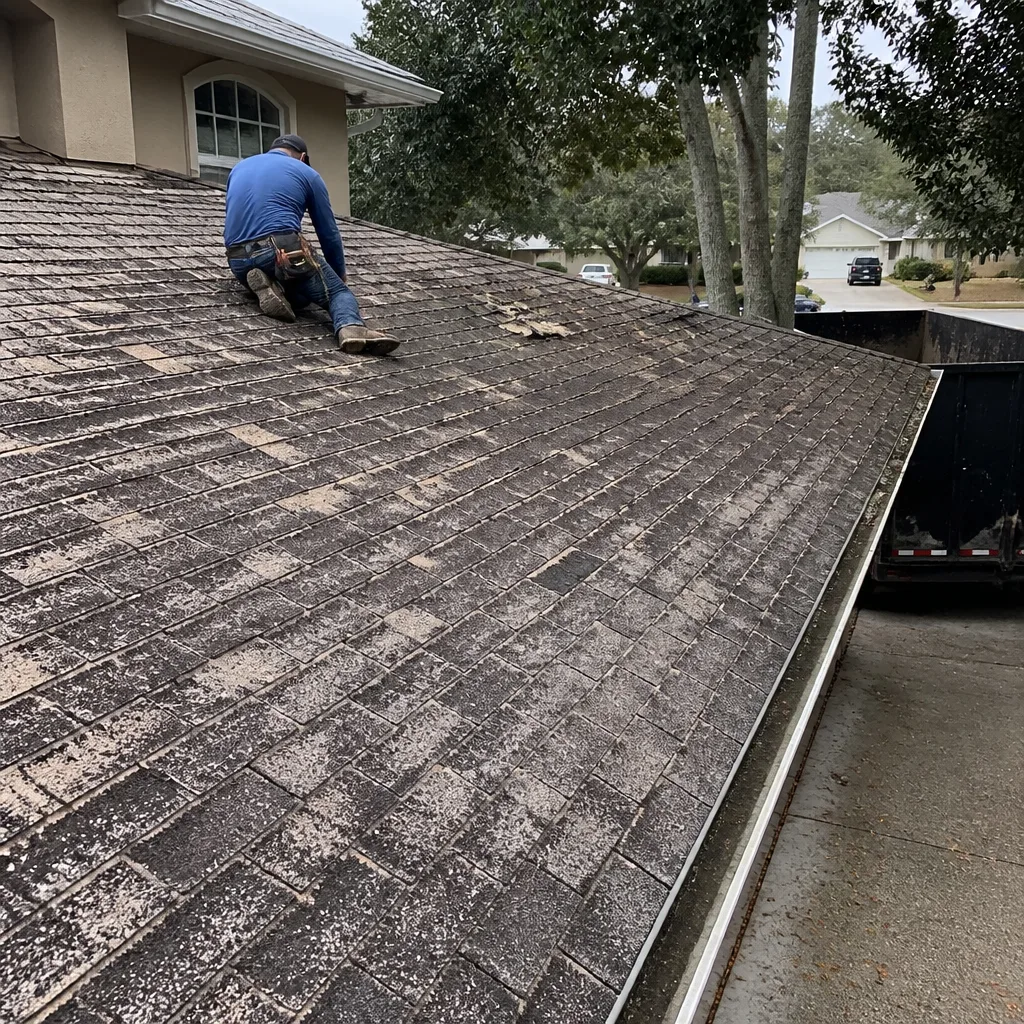 Before
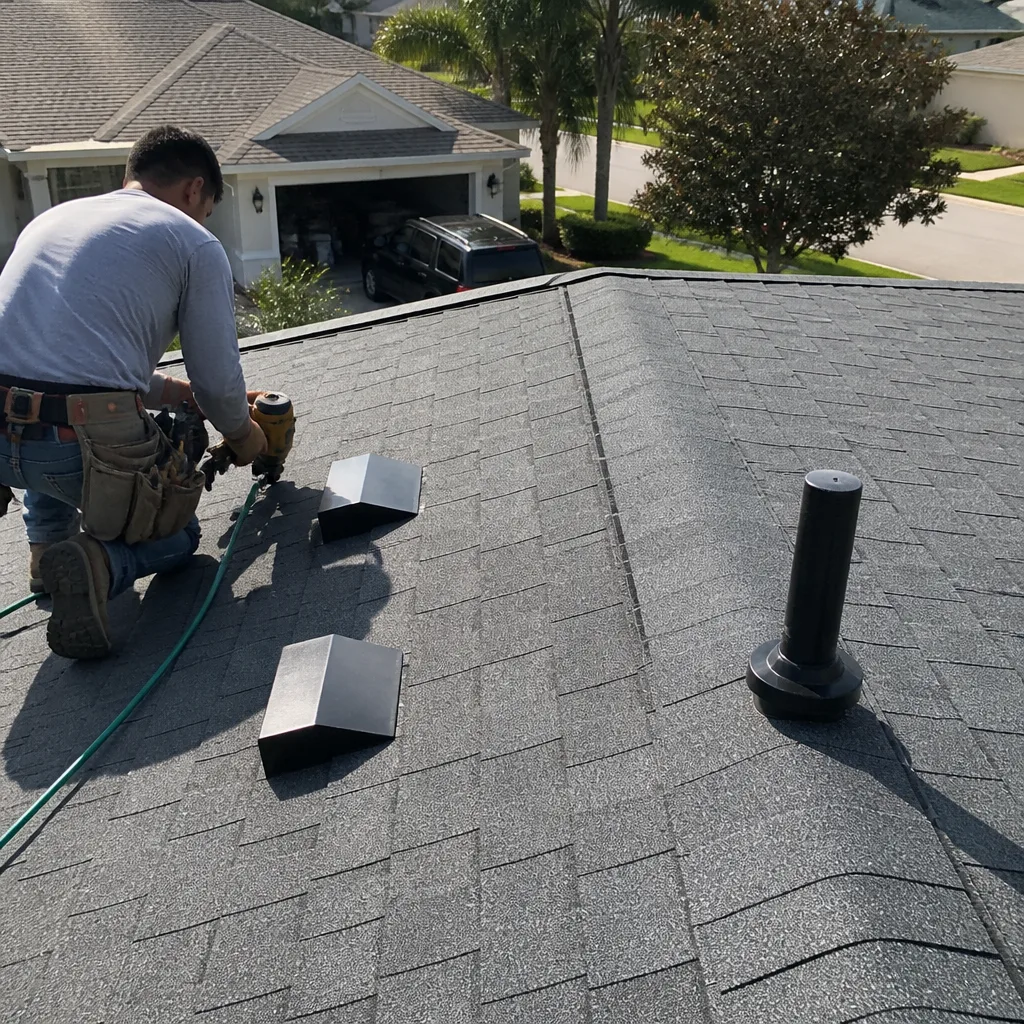 After
After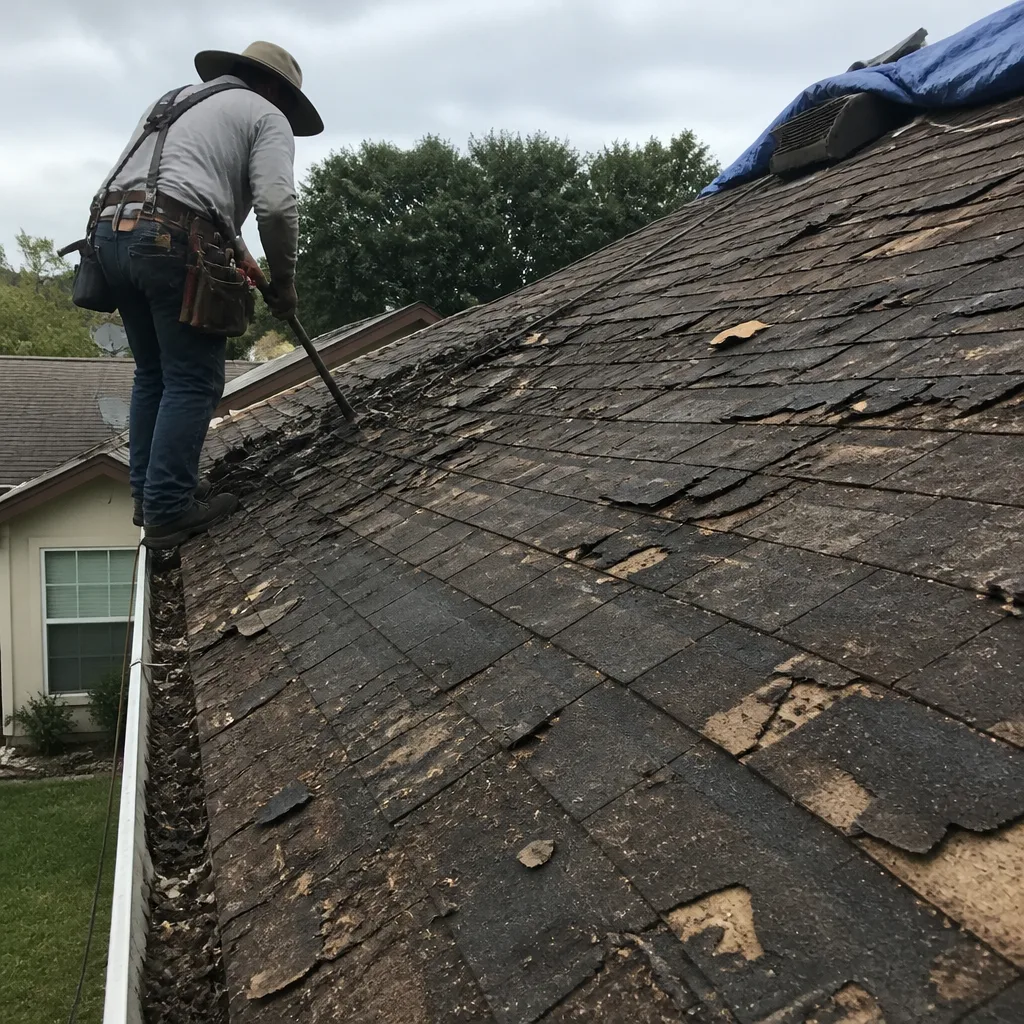 Before
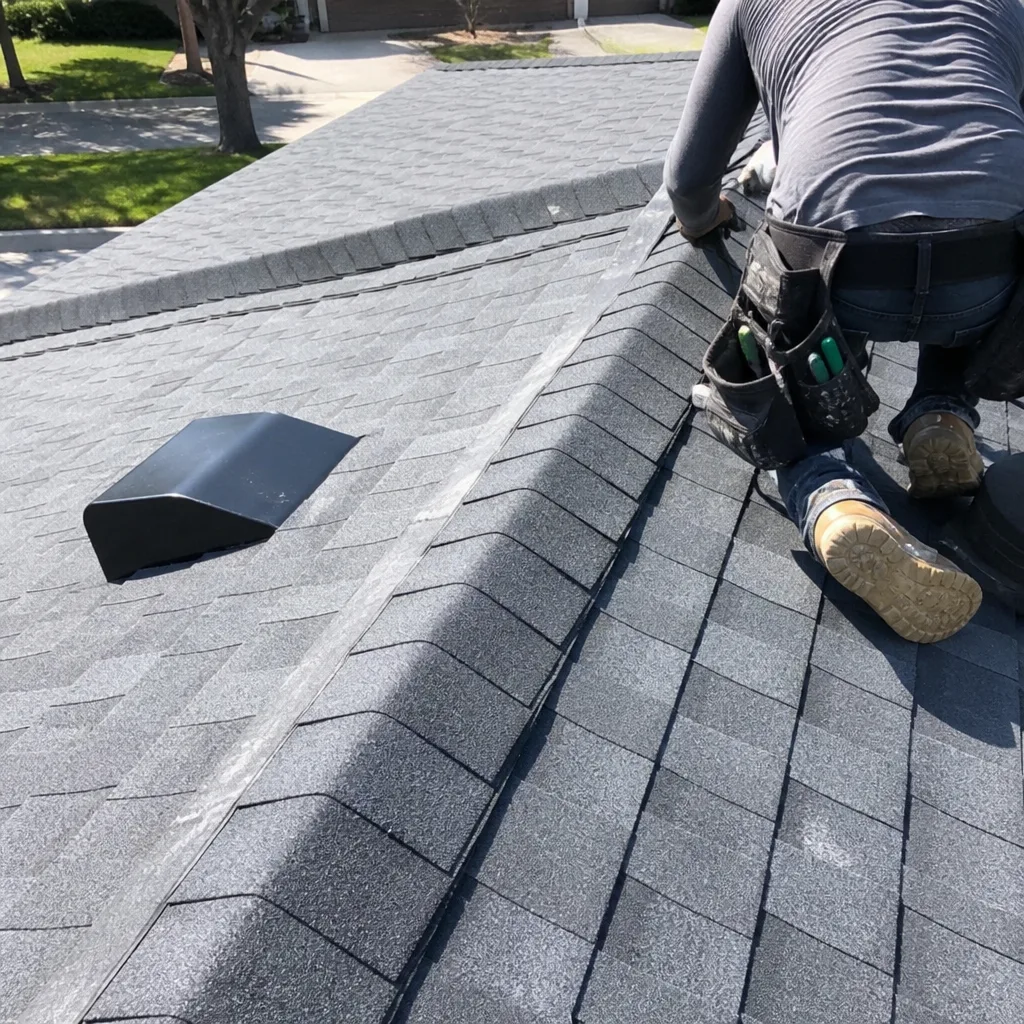 After
After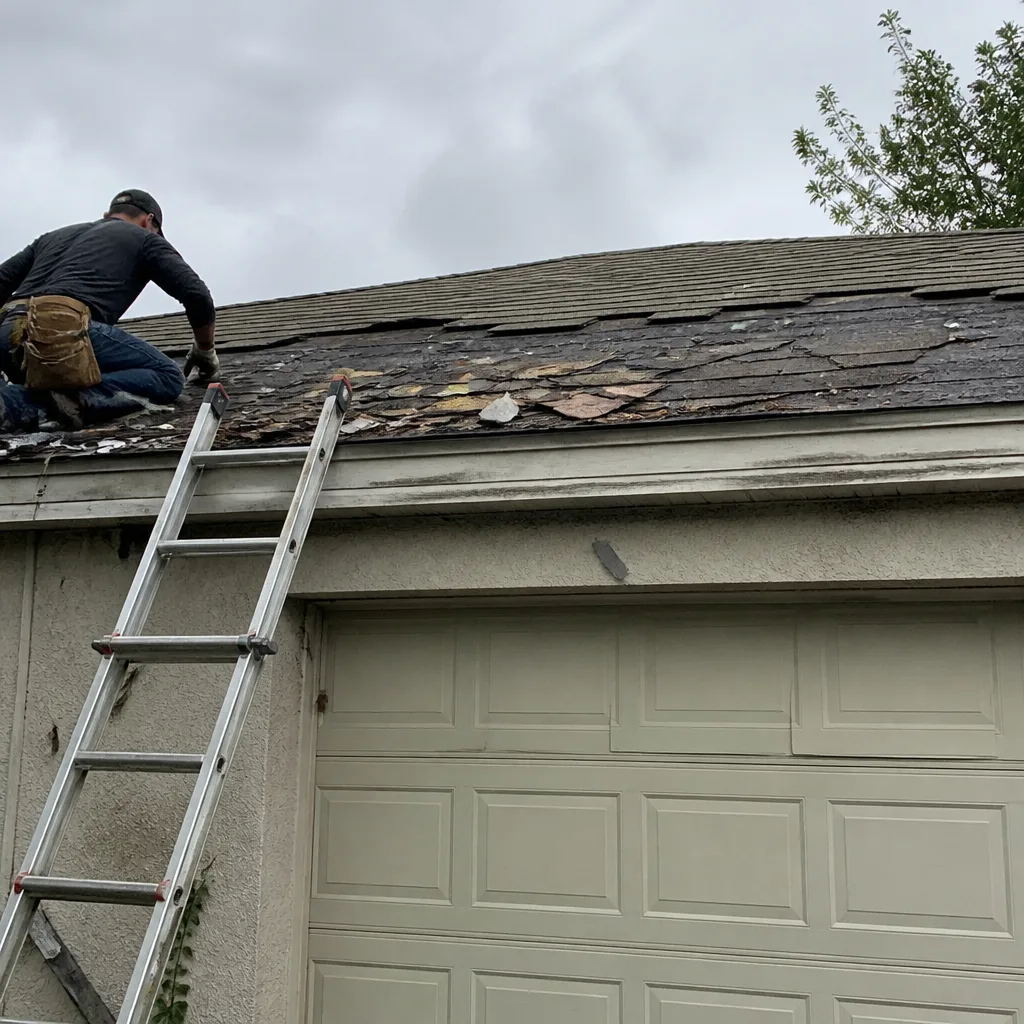 Before
 After
After